
The Symbolism of Dante's Inferno
InfernoThe novel uses Dante's Inferno as a framework for its plot and themes, from the map of hell to the final resolution.
increasing Bearing strength in each event
 decreasing
Bearing strength in each eventdecreasingThe Map of Hell
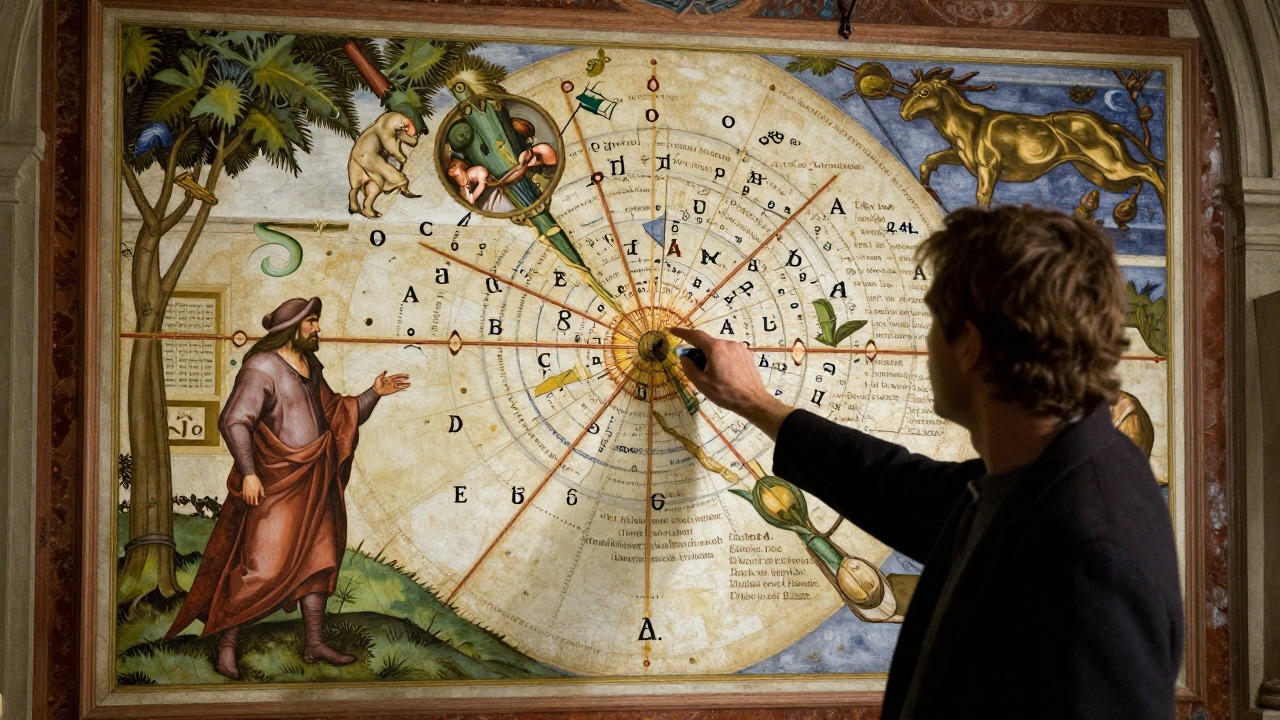
The Botticelli Painting
The Modified Map
Langdon discovers that the projector shows a modified version of Botticelli's Map of Hell, with added letters and a plague doctor. This becomes the key to finding the plague.
The Cerca Trova Code
The code hidden in the map leads to Vasari's mural, pointing to the idea of "seek and find." This theme recurs throughout the novel.
The Dante Connection
Dante's vision of hell is mirrored in the real-world crisis: the underground cistern, the plague, and the nine rings of hell are all echoed.
The Plague Doctor
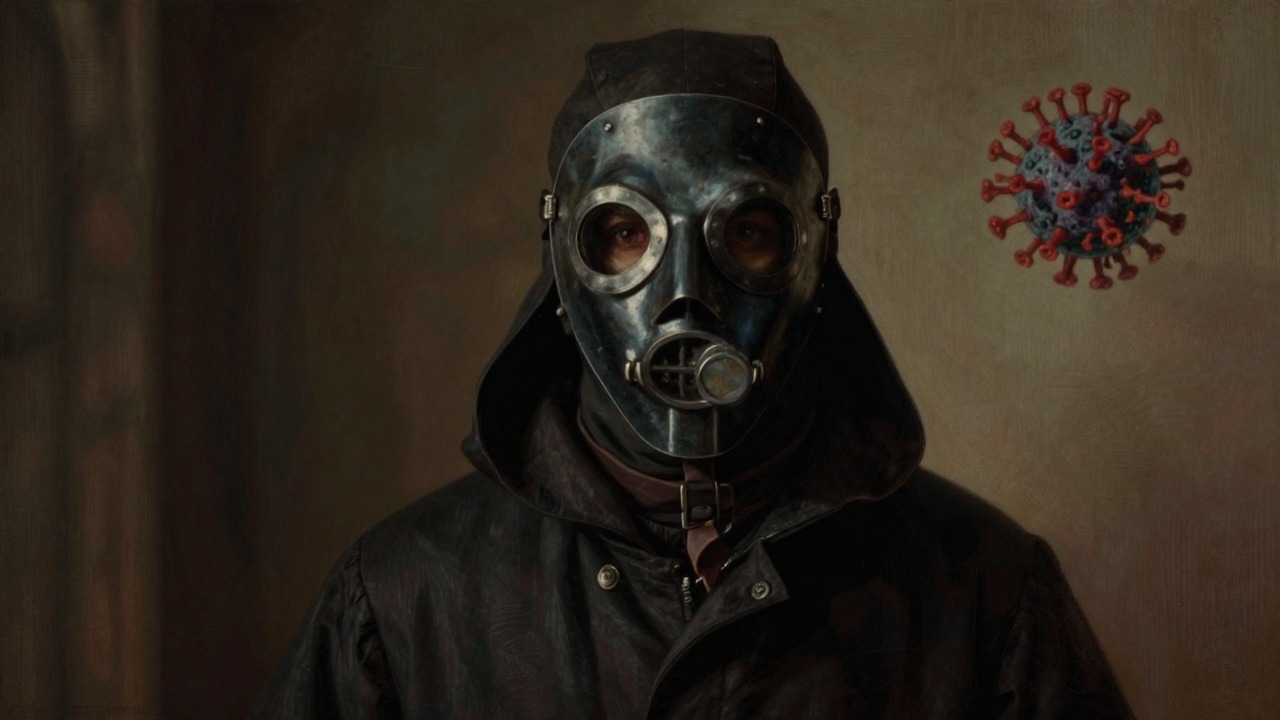
The Symbol of Death
The Mask
Zobrist appears in a plague doctor mask, representing the Black Death and the threat of his virus. The mask is a recurring image in Langdon's hallucinations.
The Historical Parallel
Zobrist explicitly compares his virus to the Black Death, which he believes was beneficial. The plague doctor symbolizes the misguided attempt to play God.
The Final Appearance
In the video, Zobrist removes the mask, revealing his face. This gesture symbolizes the unveiling of his true intentions, but also his humanity.
The Nine Rings
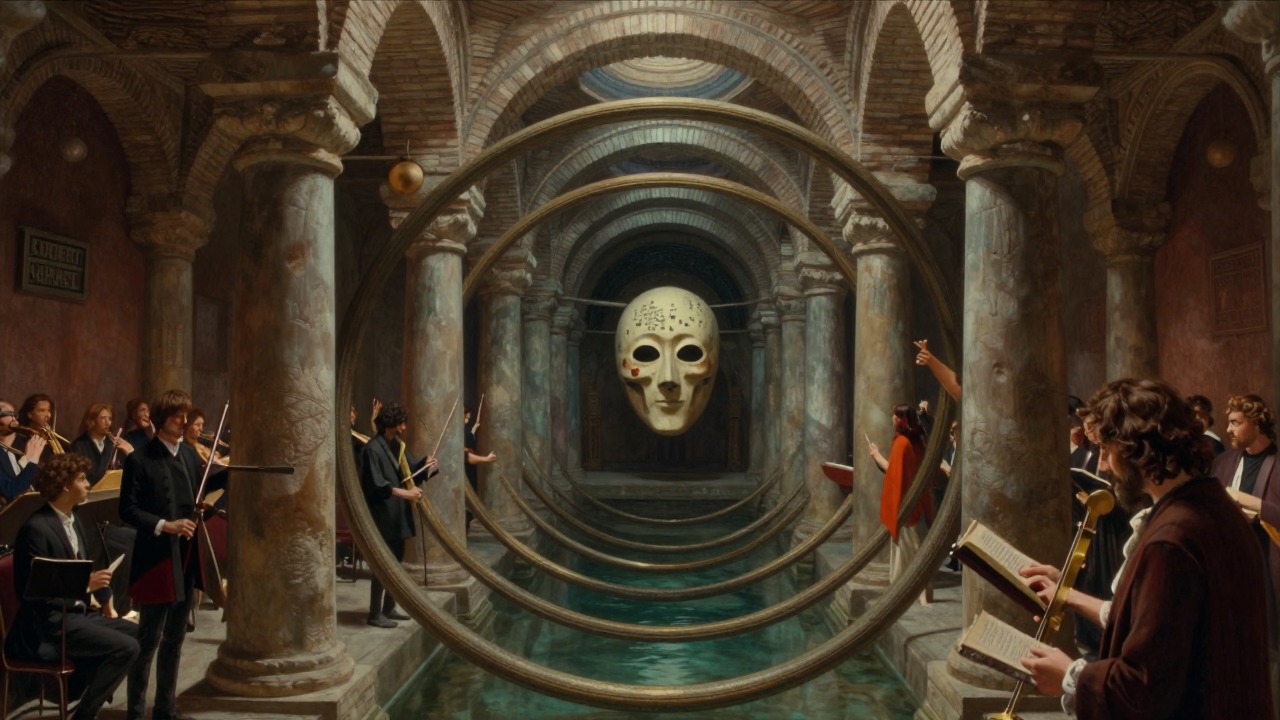
The Structure of Hell
The Malebolge
The poem on the death mask references the nine rings of hell. Langdon and Sienna's journey follows a similar descent into danger.
The Sunken Palace
The Yerebatan Sarayi cistern is described as a "sunken palace," echoing the underworld. The concert of Dante's Symphony adds to the atmosphere.
The Final Escape
Like Dante, Langdon emerges from the underground to see the stars. The novel ends with him looking at the sky, symbolizing hope and renewal.
Early in the story
Throughout the story
Throughout the story
