
The Morality of Killing
Interview with the VampireThis flow traces Louis’s attempt to distinguish appetite, beauty, conscience, and responsibility within The Kill.
increasing Bearing strength in each event
 decreasing
Bearing strength in each eventdecreasingDeath as Experience
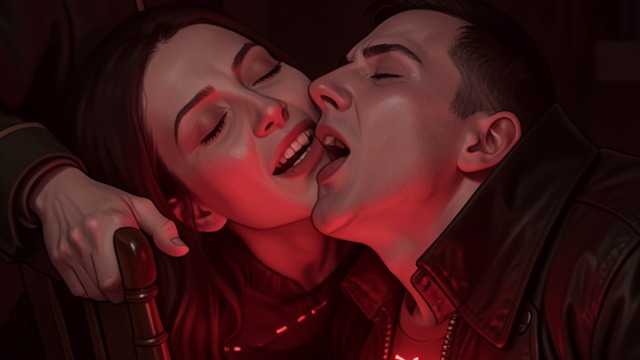
Death as Experience
Sensation
The victim’s heart becomes a drum synchronized with Louis’s own.
Knowledge
The Kill reveals another life through blood rather than through sympathy alone.
Danger
Louis recognizes that transcendence and violence are inseparable in Vampire existence.
Animal Mercy
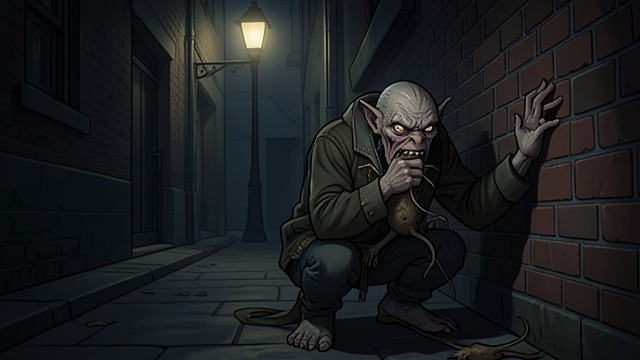
Animal Mercy
Practice
Louis feeds on Rats and other animals to avoid human victims.
Justification
He calls the choice aesthetic because he is not ready to name it moral.
Insight
His restraint exposes the ethical consequences hidden inside artistic preference.
Lestat’s Theology
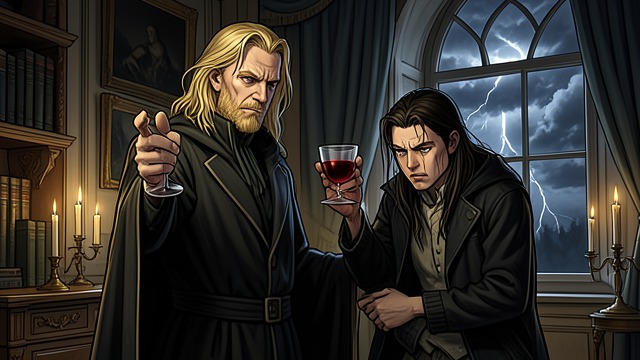
Lestat’s Theology
Claim
Lestat says Vampires are predators whose role is to bring conscious death.
Defense
He compares their killing to divine judgment and rejects human moral categories.
Challenge
Louis hears a persuasive philosophy that cannot erase his revulsion.
The Child’s Death
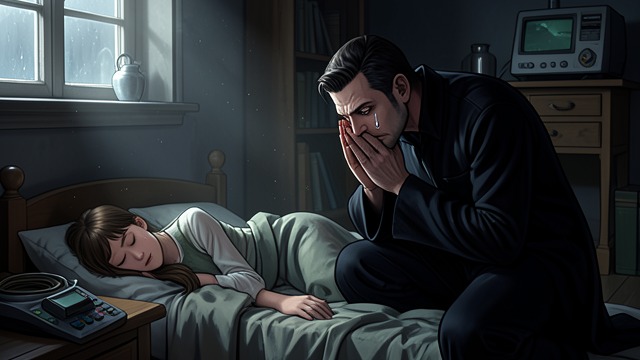
The Child’s Death
Hunger
Louis kills the child he once spared and feels the full force of her heart.
Shame
The act proves that pity cannot permanently defeat appetite.
Consequence
He accepts that moral knowledge does not remove the power to kill.
The Single Life Principle
The Single Life Principle
Argument
Louis tells Armand that one human life has absolute value if there is no God.
Responsibility
The Vampire’s awareness makes every killing a deliberate moral act.
Limit
No metaphysical explanation can relieve Louis of the responsibility he already understands.
during Louis’s first human kill
after Louis rejects human feeding
during the hotel argument
the night after the hotel argument
during Louis’s conversation with Armand
