
The Architecture of Memory
Interview with the VampireThis flow traces Louis’s movement through rooms, ruins, cemeteries, and museums as physical spaces become containers for guilt and identity.
increasing Bearing strength in each event
 decreasing
Bearing strength in each eventdecreasingThe Oratory
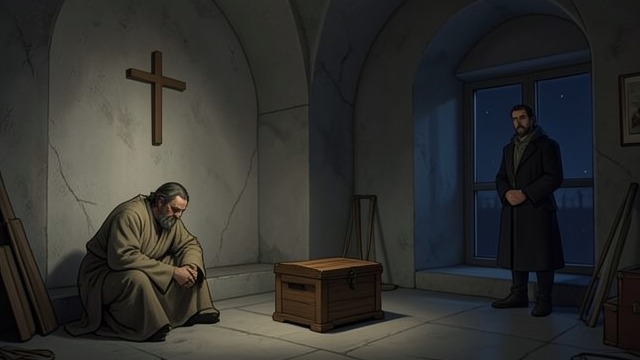
The Oratory
Sanctuary
The oratory begins as Paul’s religious retreat.
Transformation
Louis later sleeps there as a Vampire and confronts his brother’s memory.
Meaning
The sacred room becomes both tomb and birthplace of Louis’s new nature.
The Burning Plantation
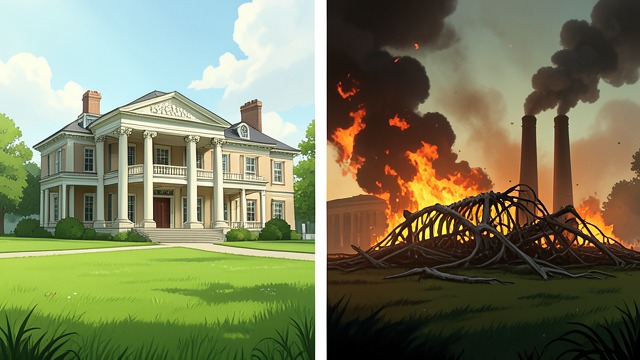
The Burning Plantation
House
Pointe du Lac contains family history, wealth, violence, and concealment.
Fire
Louis destroys it after the household becomes impossible to control.
Memory
Its ruins remain a mental landscape of guilt and escape.
The Monastery Ruins
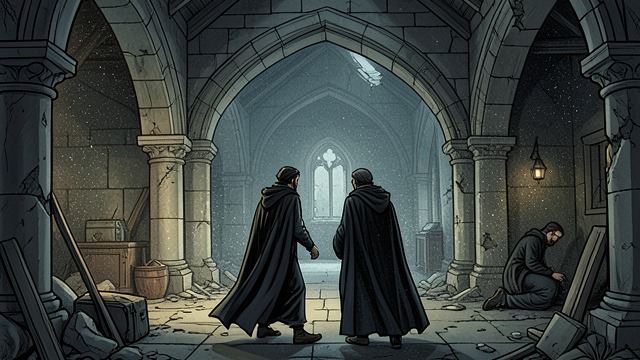
The Monastery Ruins
Approach
Louis and Claudia enter an abandoned monastery seeking ancient knowledge.
Discovery
They find only a Revenant hidden among stones and silence.
Failure
The ruins preserve death but not wisdom.
The Theater Cellar
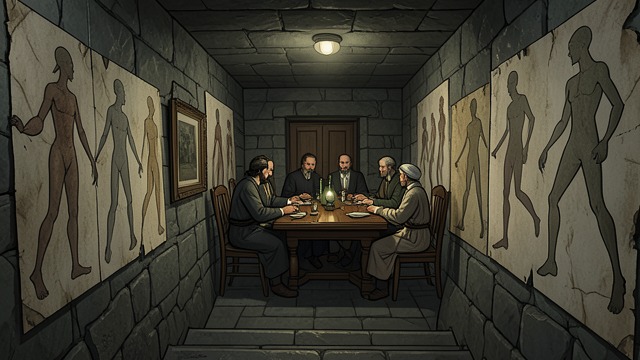
The Theater Cellar
Descent
Armand leads Louis below the public theater into painted chambers.
Imagination
Medieval images of death surround the Vampires’ private society.
Prison
The cellar becomes both sanctuary and execution site.
The Louvre Passage
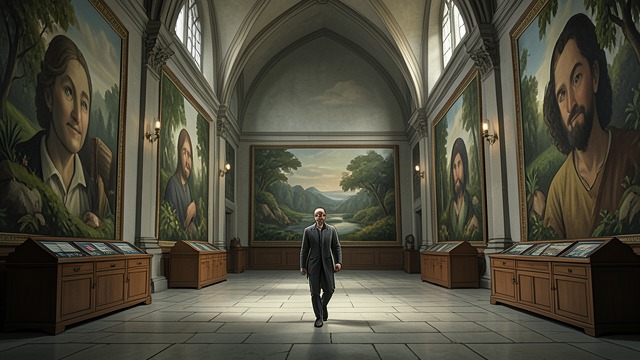
The Louvre Passage
Refuge
Louis turns toward the Louvre after destroying the theater.
Art
He seeks in paintings a form of beauty detached from human mortality.
Withdrawal
The museum marks his movement from emotional memory toward impersonal aesthetic absorption.
before and after Paul’s death
the final night at Pointe du Lac
the Eastern Europe vampire quest
the Paris coven period
after Claudia’s execution
