
The Changing World
Interview with the VampireThis flow traces how immortality becomes a struggle against historical change and the Vampire’s desire to remain fixed.
increasing Bearing strength in each event
 decreasing
Bearing strength in each eventdecreasingThe Colonial World

The Colonial World
Setting
Louis lives amid plantations, Catholic customs, slavery, and French colonial memory.
Stability
The world appears harsh but legible, anchored by family and property.
Loss
Vampirism removes Louis from the historical life he once understood.
The Louisiana Purchase
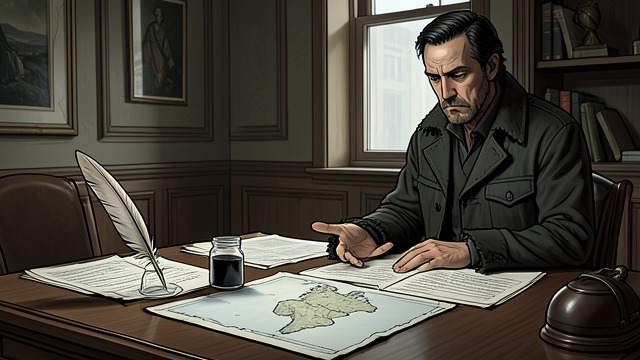
The Louisiana Purchase
Displacement
Louis remembers France selling Louisiana and feels the mortal Frenchman inside him recede.
History
Political change demonstrates that even nations and identities are temporary.
Alienation
His immortality makes ordinary historical belonging impossible.
The Napoleon III City
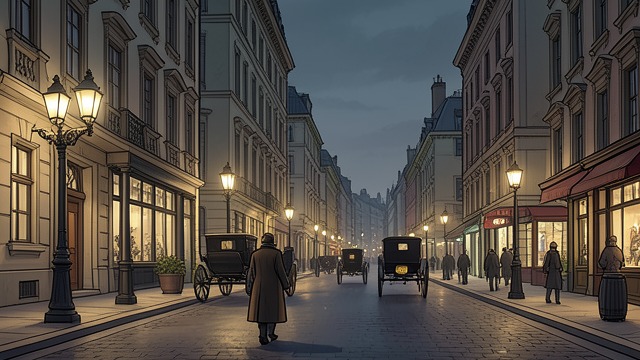
The Napoleon III City
Arrival
Paris appears unified, monumental, and almost indestructible.
Seduction
Its boulevards, theaters, and museums make Louis feel briefly alive again.
Irony
The city’s historical density cannot prevent the destruction of its Vampire underworld.
Armand’s Historical Fatigue
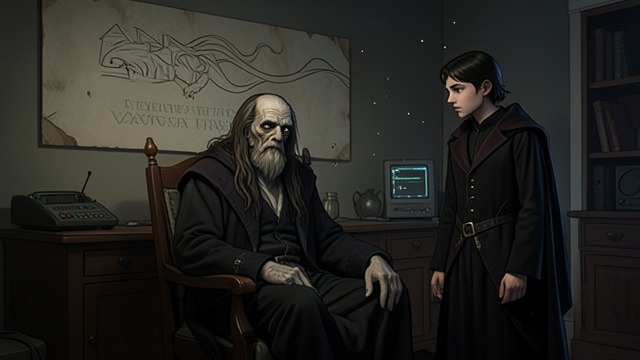
Armand’s Historical Fatigue
Memory
Armand remembers Venice and the love that first made him a Vampire.
Decay
He explains that old Vampires often abandon life when the world becomes unintelligible.
Warning
Immortality preserves the self while everything that gave it meaning changes.
The Modern Ruin
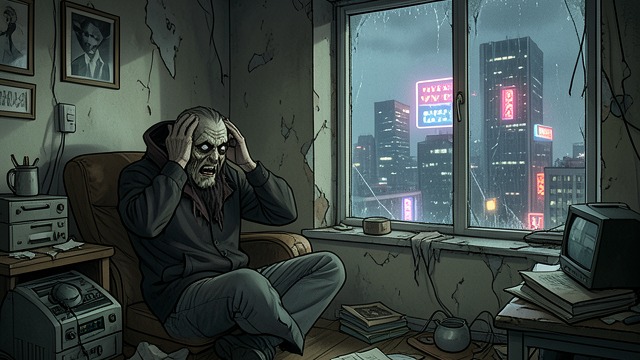
The Modern Ruin
Encounter
Louis finds Lestat unable to endure modern sounds and changing customs.
Collapse
The once-confident Vampire has become a fearful relic.
Meaning
Lestat embodies the danger of treating immortality as permanent possession rather than adaptation.
Louis’s mortal youth in Louisiana
early in Louis’s nineteenth-century reflections
the nineteenth-century Paris period
during the tower conversation
after Louis returns to New Orleans
