
The Evolution of Detachment
Interview with the VampireThis flow traces Louis’s changing relationship to detachment, from impossible ideal to emotional numbness.
increasing Bearing strength in each event
 decreasing
Bearing strength in each eventdecreasingDetached Observation
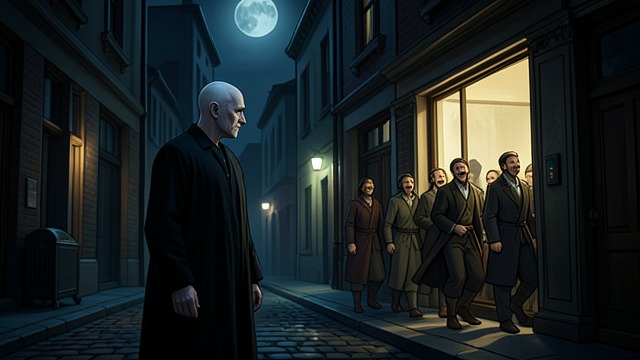
Detached Observation
Practice
Louis watches mortals from shadows before he learns to kill them.
Sensibility
Observation lets him preserve wonder without immediate participation.
Limitation
The position of spectator postpones rather than resolves moral responsibility.
Feeling Without Action
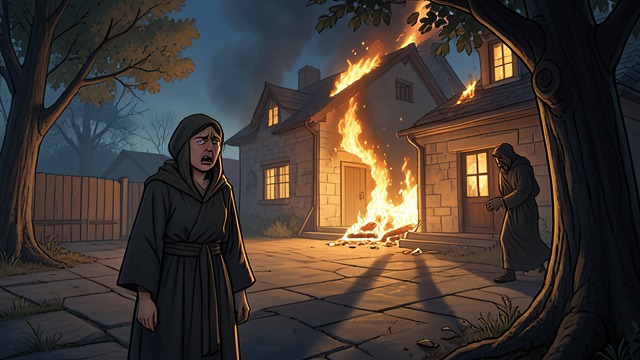
Feeling Without Action
Sympathy
Louis understands the Freniere family’s danger completely.
Intervention
He saves Babette’s future but cannot save her brother.
Contradiction
His compassion becomes meaningful only after violence has already occurred.
The Passive Moral Self
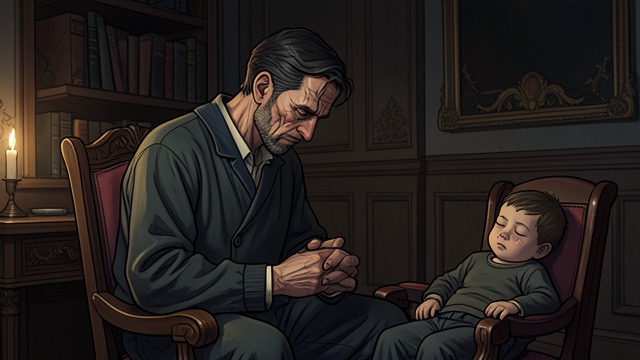
The Passive Moral Self
Failure
Louis admits that he watched Claudia’s plan unfold without preventing it.
Judgment
He sees passivity as the source from which later evil grows.
Recognition
Moral awareness becomes painful because it arrives after choice has been avoided.
The Cold Interval
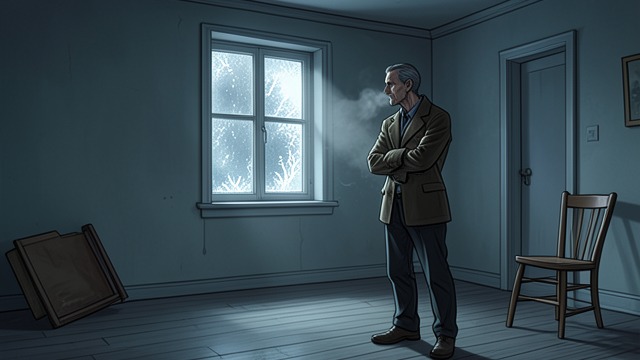
The Cold Interval
Withdrawal
Louis retreats from feeling and refuses to seek revenge through ordinary passion.
Protection
Emotional numbness shields him from immediate collapse.
Cost
The same detachment that preserves him cuts him off from love and purpose.
The Final Detachment
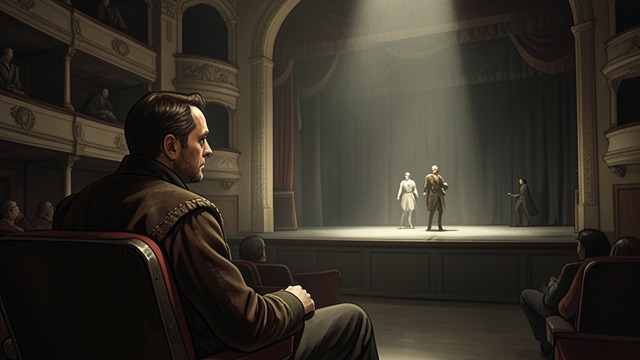
The Final Detachment
Stasis
Louis remains absorbed in art while refusing to learn from humanity.
Distance
Armand and Lestat become remote figures rather than active bonds.
Resolution
Detachment becomes not balance but a self-fashioned shroud.
Louis’s first years as a Vampire
during the Freniere crisis
after Claudia’s attack on Lestat
after Claudia’s execution
the closing years of Louis’s account
