
The Ethics of Creation
Interview with the VampireThis flow traces the novel’s question of whether creating a Vampire is an act of love, domination, rescue, or condemnation.
increasing Bearing strength in each event
 decreasing
Bearing strength in each eventdecreasingLestat’s Transaction
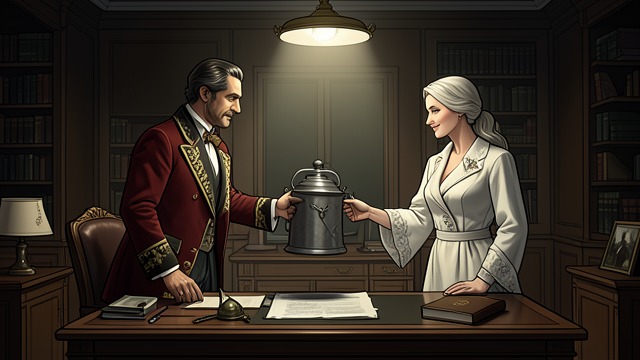
Lestat’s Transaction
Motive
Lestat creates Louis to secure Pointe du Lac and financial support.
Distortion
A supposedly supernatural gift is revealed as a private economic bargain.
Legacy
Louis learns that creation can begin in selfishness rather than love.
Louis’s Rescue
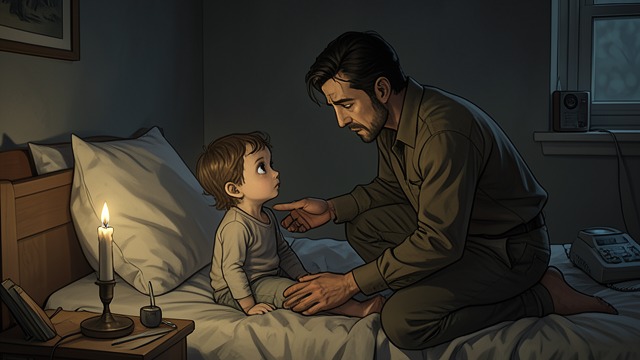
Louis’s Rescue
Compassion
Louis responds to Claudia’s suffering with genuine pity.
Possession
He also wants her life and beauty for himself.
Judgment
The creation remains morally ambiguous because love and hunger operate together.
The Child’s Sentence
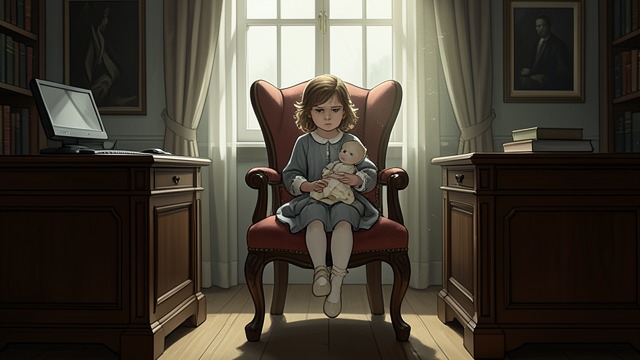
The Child’s Sentence
Arrest
Claudia is condemned to remain physically five forever.
Dependence
Her survival requires adults who cannot understand her completely.
Ethics
The novel reframes immortality as an imposed sentence rather than a gift.
Madeleine’s Consent
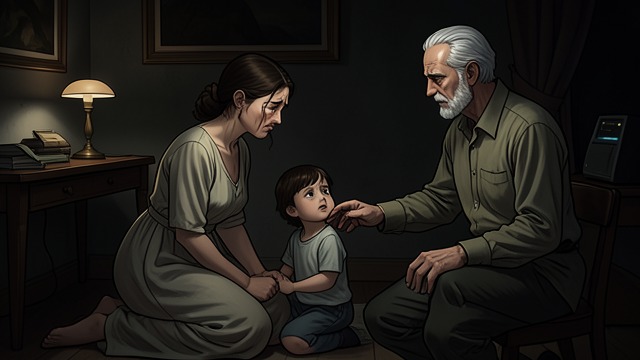
Madeleine’s Consent
Request
Madeleine accepts transformation because grief has made mortal life unbearable.
Pressure
Claudia’s need and Armand’s influence shape the decision.
Responsibility
Louis remains responsible even though the choice appears voluntary.
The Boy’s Request
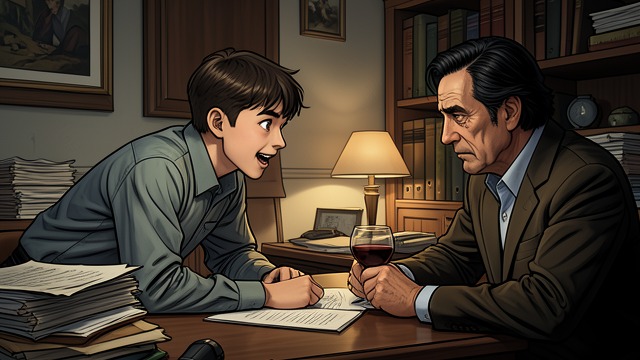
The Boy’s Request
Fascination
The boy hears suffering as an extraordinary adventure.
Demand
He asks Louis to create him immediately.
Repetition
Louis’s response reproduces the cycle of creation despite everything the story has warned against.
1791
the night Claudia is created
after Claudia’s body stops developing
the night Madeleine is created
the final interview scene
