
Lily's Inner Battle Between Love and Self-Respect
It Ends with UsFollows Lily Bloom's conflicted internal struggle as she tries to reconcile her love for Ryle Kincaid with her knowledge that he is hurting her.
increasing Bearing strength in each event
 decreasing
Bearing strength in each eventdecreasingHating Her Father Yet Loving Him
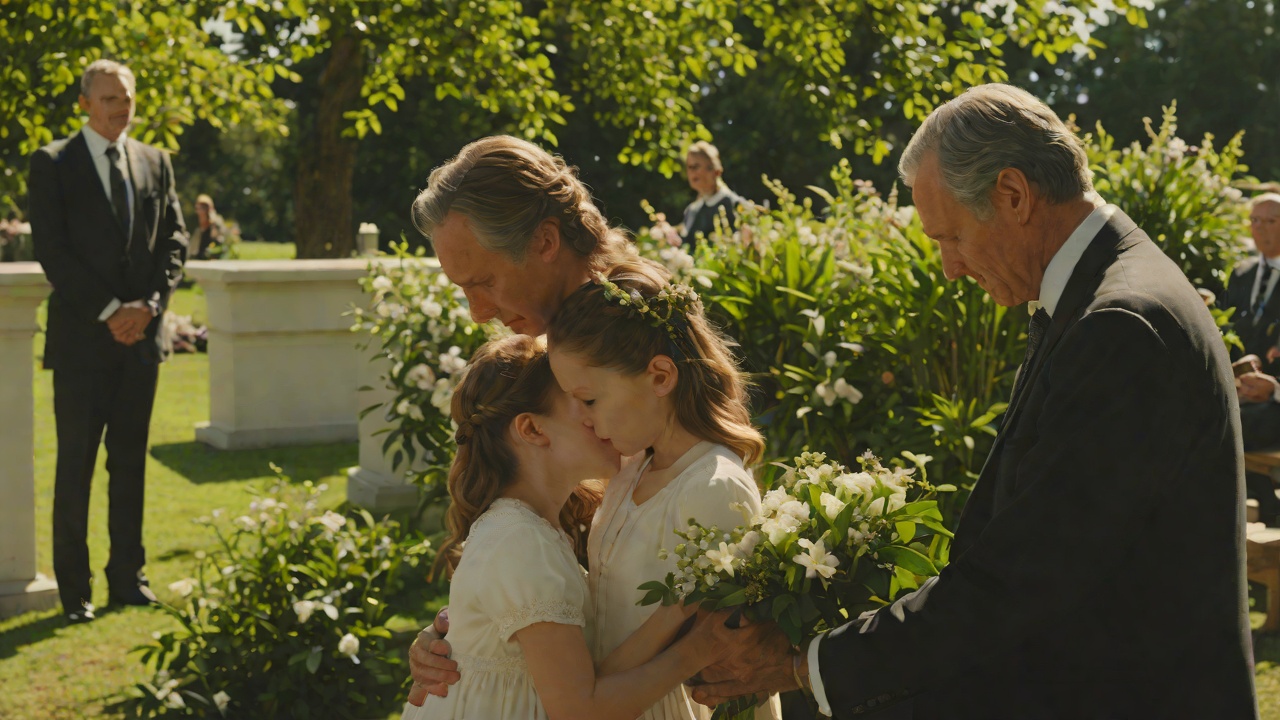
Hating Her Father Yet Loving Him
Scene
At the funeral, Lily cannot find one great thing to say about Andrew Bloom, but she also felt a daughter's love for him while he lived. She tells Ryle later that she loved him as a father but hated him as a human. The split feeling becomes a blueprint for how she will love Ryle.
Significance
Lily learns early that humans contain contradictions. She cannot simply categorize her father as evil, because he also gave her moments of normalcy. This cognitive complexity makes it easier for her to excuse Ryle's violence later.
Aftermath
The anti-eulogy is her first attempt to force an honest reckoning. But the unresolved love remains, and she carries it into future relationships.
Explaining Away the Kitchen Push

Explaining Away the Kitchen Push
Scene
Lily lies in bed trying to process the kitchen incident, reminding herself that Ryle burned his hand and panicked. She compares him to her father and decides he is nothing like Andrew. She convinces herself that the violence was an isolated accident.
Significance
The scene is the psychological mechanism of abuse: the victim becomes the interpreter who explains away the perpetrator's behavior. Lily has watched her mother do this for years and does not see herself doing the same. The moment marks the beginning of her lost limit.
Aftermath
She sets a condition that he never do it again, believing the condition will hold. Instead, he will push her down stairs and later assault her in the same bed where they made love.
Blaming Herself for Keepsakes
Blaming Herself for Keepsakes
Scene
After the stairwell push and journal attack, Lily catches herself wondering if she caused Ryle's rage by keeping the magnet, the tattoo, and the journals. She considers the possibility that if she had been more transparent, Ryle would not have reacted the way he did.
Significance
The thought is dangerous and familiar: it is the same self-blame that trapped her mother for decades. By shifting responsibility to herself, Lily is actively participating in the cycle she swore to escape. The scene makes clear that even a strong, educated woman can be slowly colonized by an abuser's framing.
Aftermath
Lily eventually recognizes this as one of the hardest waves to ride. It is only through her mother's limit speech that she stops lending credibility to the self-blame.
Hearing Her Mother's Limit
Hearing Her Mother's Limit
Scene
Jenny tells Lily about her own escalating tolerance for violence and the moment she realized she had lost her limit. Lily hears, for the first time, that her mother's decisions were not simple weakness. The conversation reframes Lily's self-respect as a boundary she must actively protect.
Significance
The limit speech gives Lily a vocabulary for what has been happening inside her marriage. It separates the question of love from the question of safety. Lily begins to accept that loving Ryle and leaving him are not contradictory.
Aftermath
Lily returns from her mother's house with a clearer resolve. She no longer believes she can fix Ryle with enough patience or enough love.
Choosing Her Daughter Over Her Husband
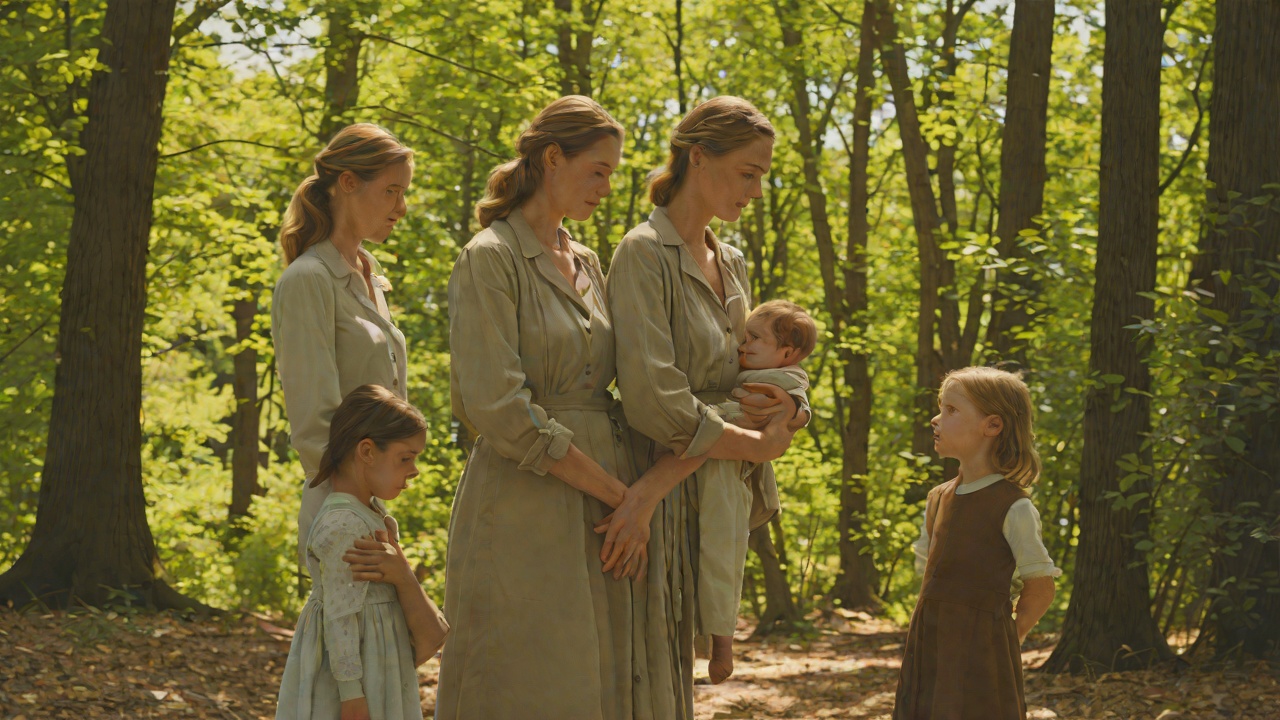
Choosing Her Daughter Over Her Husband
Scene
Lily looks at Ryle holding Emerson and makes the choice she has been avoiding: she asks for a divorce. She forces both of them to imagine Emerson as an adult woman in an abusive relationship. Ryle breaks down and realizes he cannot argue with his own answer.
Significance
The birth releases Lily from the cycle of justification. She no longer has to decide only for herself; she is deciding for a daughter. This is the moment self-respect and maternal love merge into action.
Aftermath
Lily does not feel victorious, only heartbroken and certain. The inner war is over, and she has survived it enough to begin a new life.
during her father's funeral in Plethora
the night after Ryle first pushes her
after Ryle discovers Atlas's number and the journals
during the confession at Jenny Bloom's house
immediately after giving birth
