
No Such Thing as Bad People
It Ends with UsTraces the philosophical line that begins as Ryle Kincaid's rooftop aphorism and evolves into Lily Bloom's hard-won understanding of human complexity.
increasing Bearing strength in each event
 decreasing
Bearing strength in each eventdecreasingRooftop Maxim
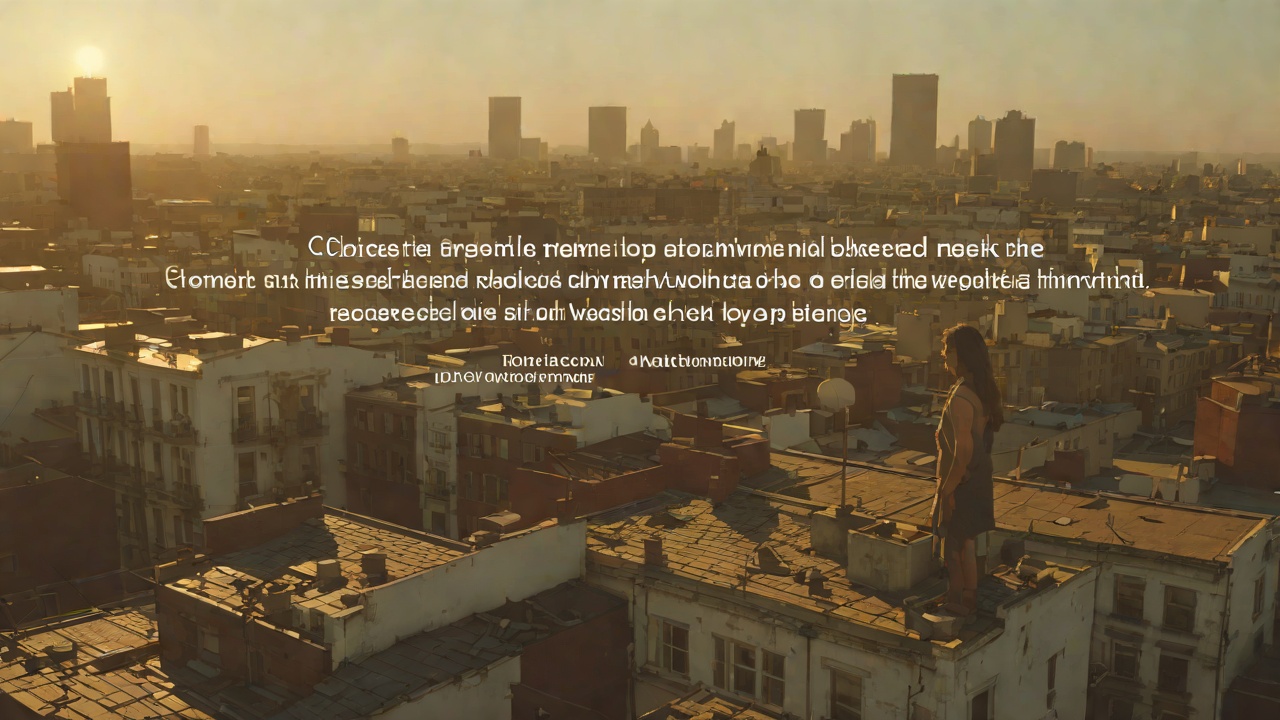
Rooftop Maxim
Scene
After Lily tells Ryle about her abusive father, he responds that there is no such thing as bad people, only people who sometimes do bad things. The line is meant to absolve her of inherited guilt. Lily finds it unexpectedly comforting.
Significance
The maxim is the philosophical lens of the entire novel: it prevents moral polarities and asks for nuance. It also becomes dangerously easy to use as an excuse for repeated harm. Ryle's behavior will test the limits of this idea again and again.
Aftermath
Lily adopts the line when designing her flower shop, painting it into the brand's identity. It remains in her mind even during the darkest moments of her marriage.
Adopted into the Floral Concept
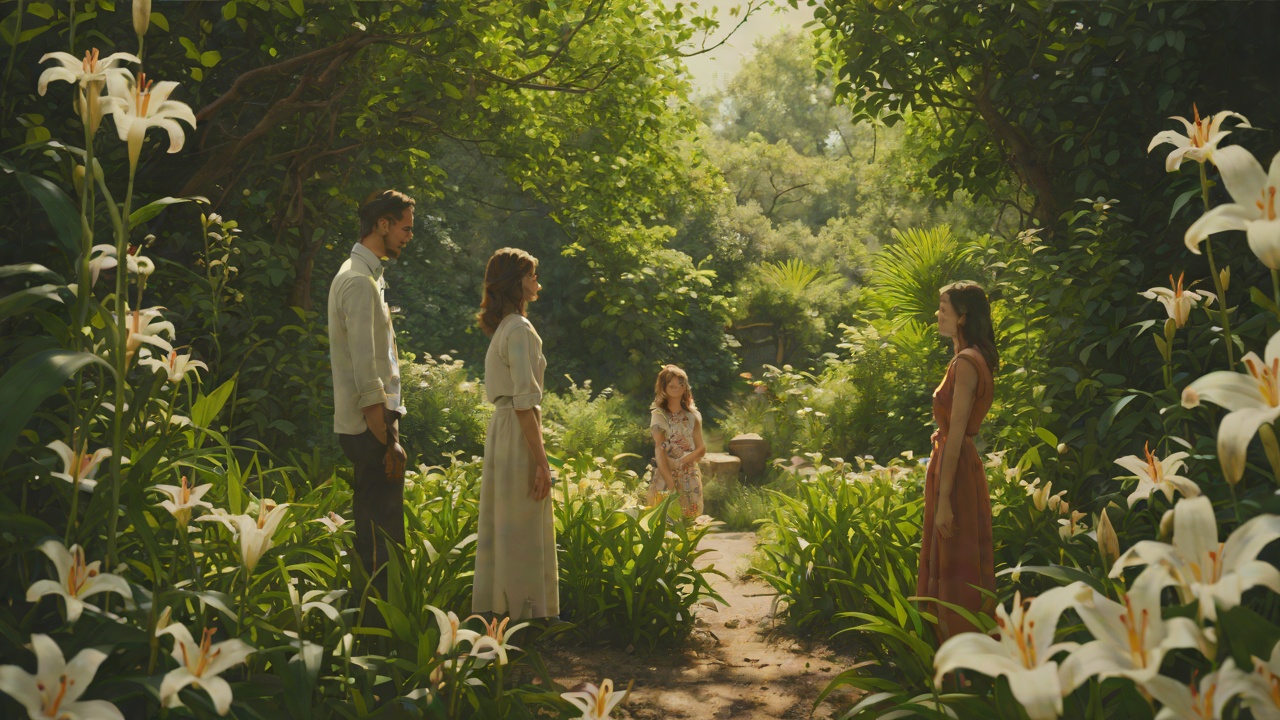
Adopted into the Floral Concept
Scene
Lily tells Allysa that a line from a man she met changed her thinking: people are not bad, they just do bad things. She uses the idea to create a flower shop devoted to the darker side of flowers, where evil and good coexist in every bouquet.
Significance
The concept makes the moral philosophy material: beauty and darkness are sold side by side. It reflects Lily's own internal belief that people contain both. The shop becomes a commercial embodiment of the theme she is still trying to live out.
Aftermath
The shop's aesthetic draws customers but also foreshadows Lily's tolerance for Ryle's bad actions. The line she uses to market flowers is the same one she uses to excuse violence.
Excusing the First Violation
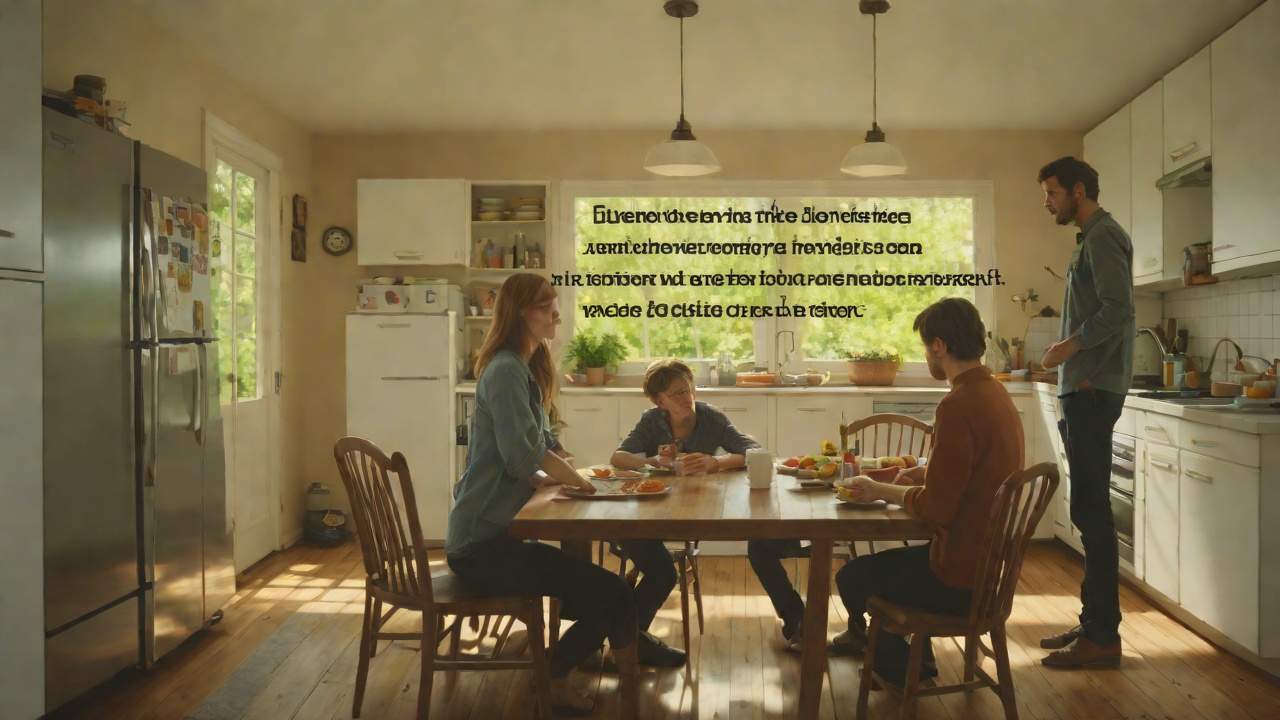
Excusing the First Violation
Scene
After the kitchen incident, Lily repeats the maxim to herself: Ryle is not a bad person, he just did a bad thing. She wants to believe the push was an isolated accident, not a revelation of character. She stays.
Significance
The aphorism begins to fail because it can be used to detach actions from responsibility. Lily is applying a philosophical nuance to a pattern of harm. The line that once set her free is now keeping her trapped.
Aftermath
Ryle says I love you, and Lily decides to forgive him. The bad thing is folded into a larger narrative of a good man who struggles, setting up the next violation.
Shaken by Atlas's Accusation
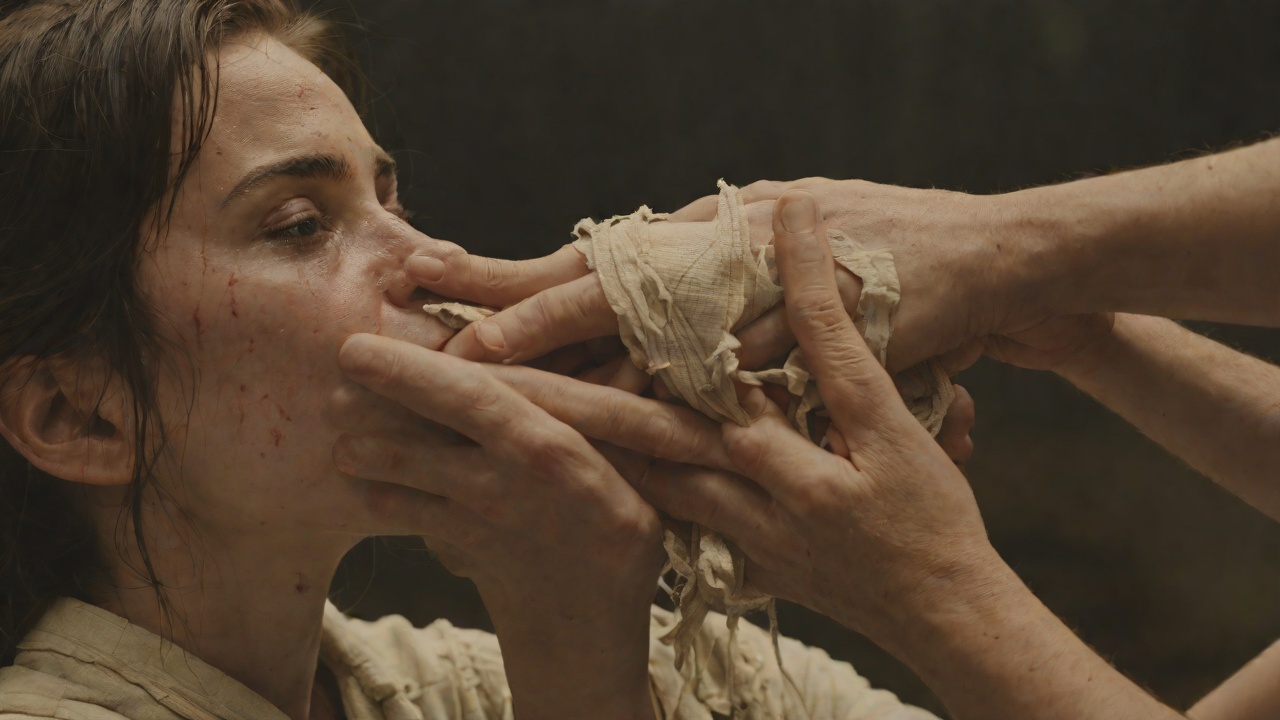
Shaken by Atlas's Accusation
Scene
Atlas sees Lily's bruised eye and Ryle's bandaged hand and tells her to leave him. When she protests that Ryle is a good person, Atlas says she sounds just like her mother. The maxim suddenly feels like a lie she has been telling herself.
Significance
Atlas's accusation challenges the self-forgiving power of the no bad people line. Lily realizes she may be replicating the same rationalizations she hated in Jenny. The idea that Ryle is fundamentally good is no longer enough.
Aftermath
Lily defends Ryle in the moment, but the seed of doubt is planted. The maxim begins to shift from an absolute truth to a trap she must escape.
Nuanced Reclamation
Nuanced Reclamation
Scene
By the end of the novel, Lily still believes people contain both good and bad, but she no longer uses that belief to justify staying in harm's way. She allows Ryle to be a father while refusing to be his wife, and she opens herself to Atlas's love. The maxim has been refined into a principle of compassion with boundaries.
Significance
The phrase no bad people is not discarded; it is transformed. Lily has learned that understanding someone's complexity does not require sacrificing your safety. The novel ends with a mature version of the aphorism: love can coexist with limits.
Aftermath
Lily raises Emerson with this nuanced view, able to maintain a relationship with Ryle without romantic self-destruction. The theme has moved from philosophy to lived practice.
the first night Lily and Ryle meet
when Lily and Allysa design the shop's theme
after Ryle pushes Lily in the kitchen
at Bib's when Atlas tells Lily to leave Ryle
after the divorce and in the epilogue
