
Brave and Bold as a Birthright
It Ends with UsTraces the phrase brave and bold from Jenny Bloom's advice to Lily Bloom's own actions as a businesswoman, daughter, and mother.
increasing Bearing strength in each event
 decreasing
Bearing strength in each eventdecreasingMother's Warning Before the Purchase
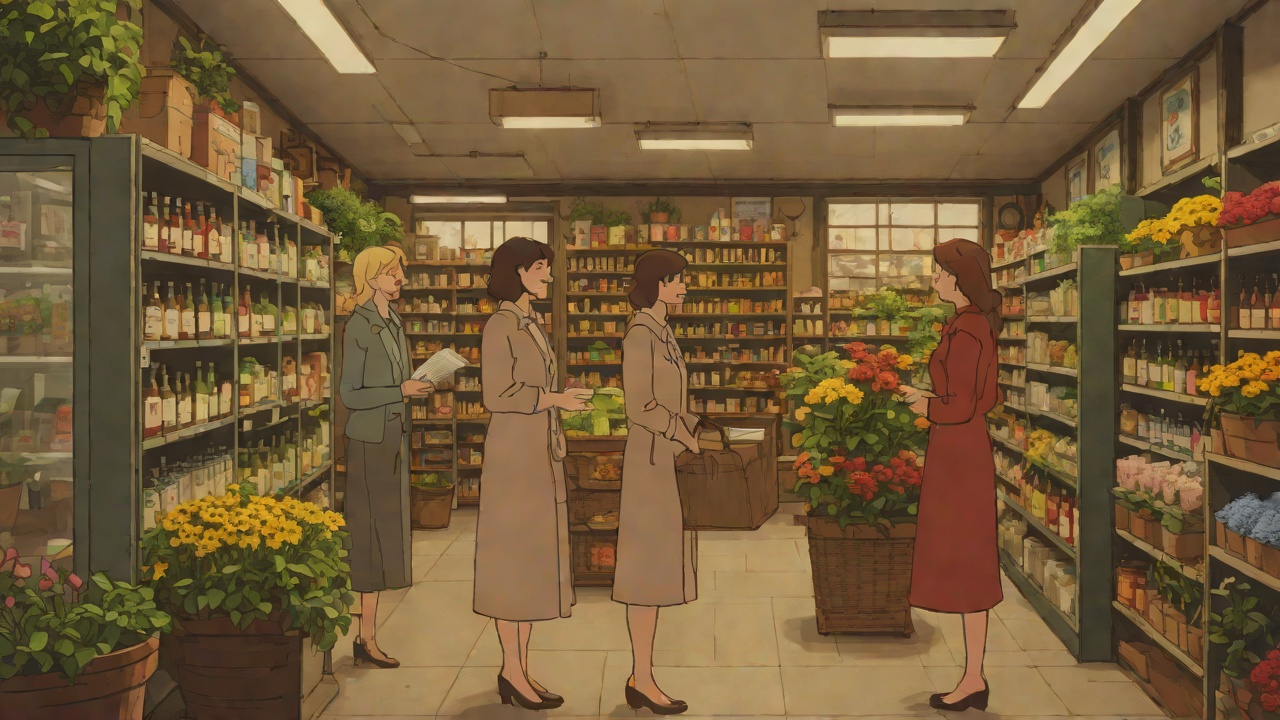
Mother's Warning Before the Purchase
Scene
Jenny tells Lily that if the flower shop succeeds it will be called brave and bold, and if it fails it will be called stupid. She then tells Lily to make sure it is brave and bold. Lily takes the words with her into every renovation.
Significance
The phrase gives Lily permission to take a risk that her mother never could. It ties entrepreneurship to moral courage. The flower shop becomes a reclamation of the family name and a break from the family's history of passivity.
Aftermath
Lily starts repeating brave and bold as a personal mantra while decorating and designing. The phrase will return at the most critical moment of her life.
Dark Floral Concept
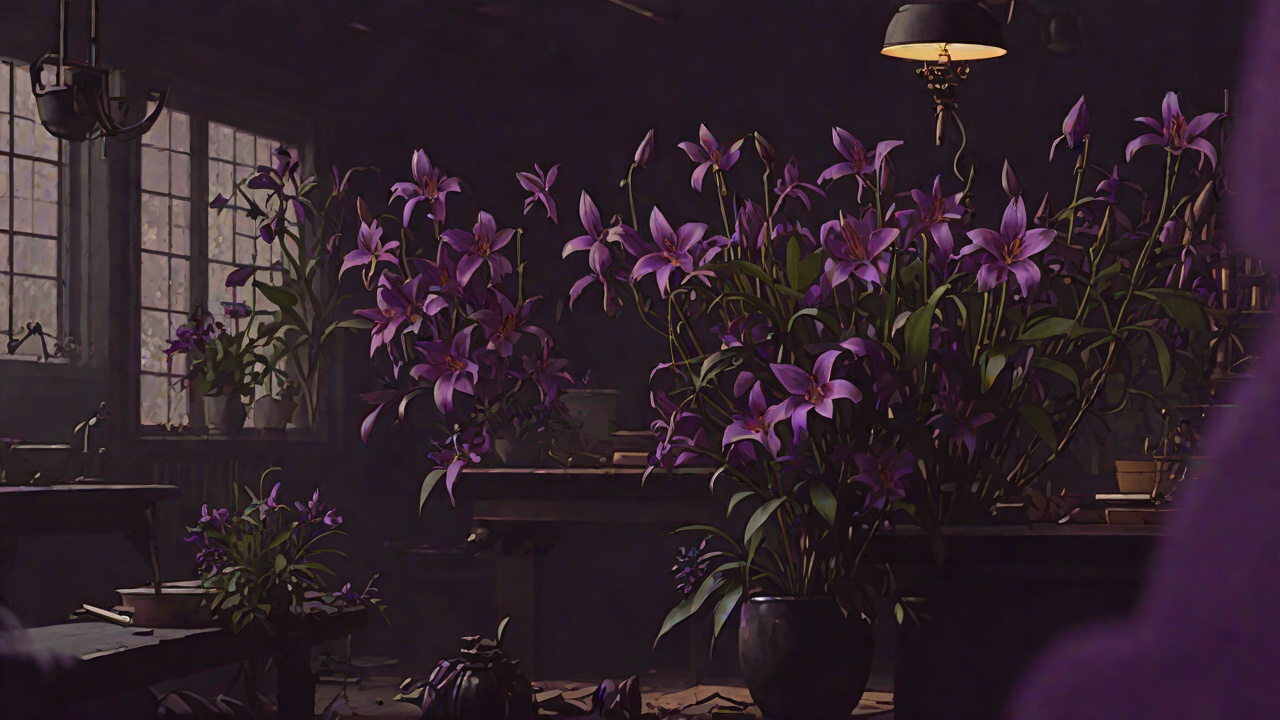
Dark Floral Concept
Scene
Lily decides her shop will not celebrate only sweetness but also the villainous side of flowers: deep purples, black accents, leather, and silver chains. Allysa initially worries, then becomes the concept's biggest fan. The store opens with a steampunk display at its center.
Significance
The design is brave and bold because it flouts every girlish expectation attached to Lily's name. It also reflects her belief that beauty can exist alongside darkness. The shop is the physical proof that Lily can turn her own contradictions into art.
Aftermath
Lily Bloom's becomes a success, winning recognition and drawing customers who want something different. The brave and bold gamble pays off, giving Lily the confidence to face harder choices.
Anti-Eulogy as Unexpected Bravery
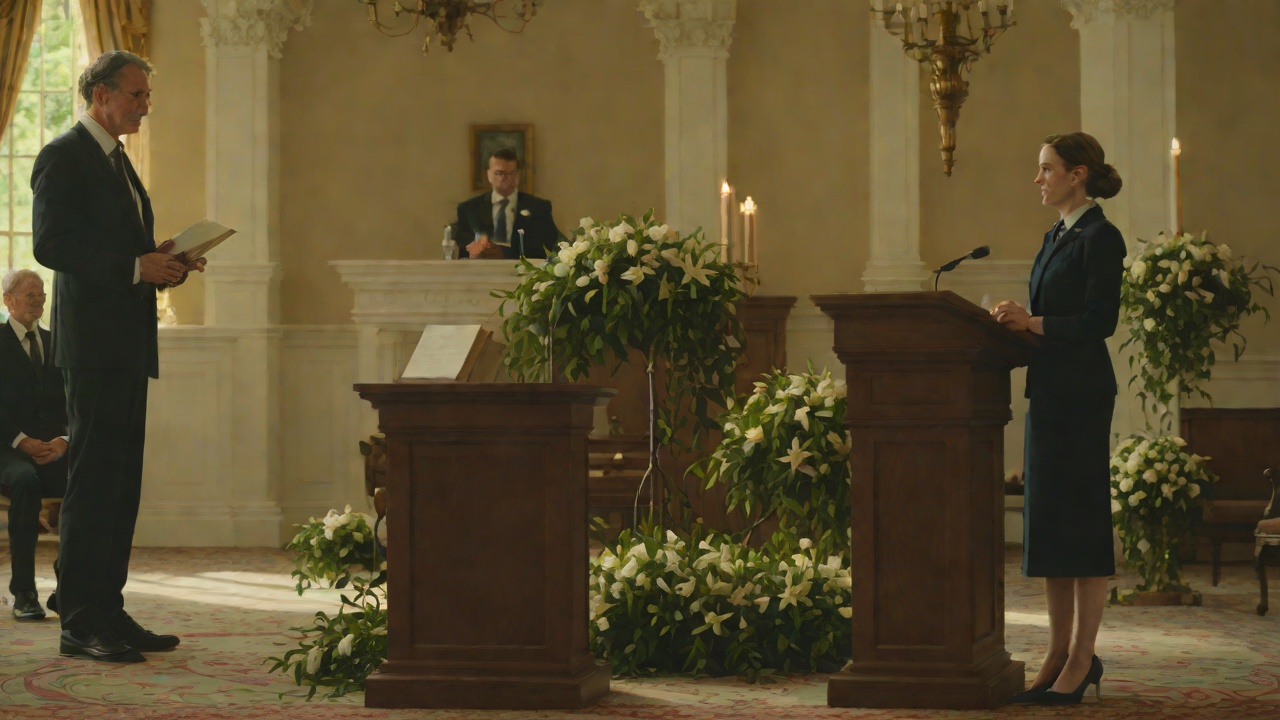
Anti-Eulogy as Unexpected Bravery
Scene
Lily silently refuses to praise her father at his funeral, standing at the podium for two minutes without naming one great quality. The town sees embarrassment, but her mother later sees defiance. The act is brave and bold in a way neither of them can admit that day.
Significance
The anti-eulogy is the first moral boundary Lily sets against Andrew Bloom's legend. She refuses to lie, even at the cost of public shame. In Jenny's later speech, this moment becomes the proudest piece of Lily's character.
Aftermath
The memory of the anti-eulogy surfaces when Lily must decide whether to leave Ryle. It proves she is capable of public and private honesty.
Be That Brave Girl
Be That Brave Girl
Scene
Jenny tells Lily that she never froze at the podium; she chose silence. She calls it the proudest she has ever been and asks Lily to be that girl again. The words arrive as Lily is trying to decide whether to take Ryle back.
Significance
The mother's blessing transfers the courage of the anti-eulogy to the next moral challenge. Lily realizes that being brave and bold is not about standing up at a funeral; it is about walking away from a marriage that hurts her. She receives permission to act on her own behalf.
Aftermath
Lily leaves her mother's house with renewed resolve. The phrase becomes her private command during labor and the divorce.
Choosing Divorce as Bravery
Choosing Divorce as Bravery
Scene
Lily asks Ryle for a divorce and explains that she cannot risk passing the cycle to Emerson. She does not hate Ryle; she chooses her daughter. The word brave and bold finally moves from ambition to survival.
Significance
The hospital decision is the culmination of every brave act Lily has practiced. It is not reckless or angry; it is measured and loving. This is the version of herself her mother hoped for.
Aftermath
Lily raises Emerson with that courage, and the epilogue shows her thriving. The phrase has become a life principle, not just a business slogan.
when Lily shows Jenny the empty restaurant
during the early design days with Allysa
at Andrew Bloom's funeral
when Jenny reveals that she was proud of the anti-eulogy
in the hospital after Emerson's birth
