
It Ends with Us as a Generational Promise
It Ends with UsTraces the novel's title phrase through Lily Bloom's family history to the moment she interrupts the cycle of abuse for her daughter.
increasing Bearing strength in each event
 decreasing
Bearing strength in each eventdecreasingChildhood Witness
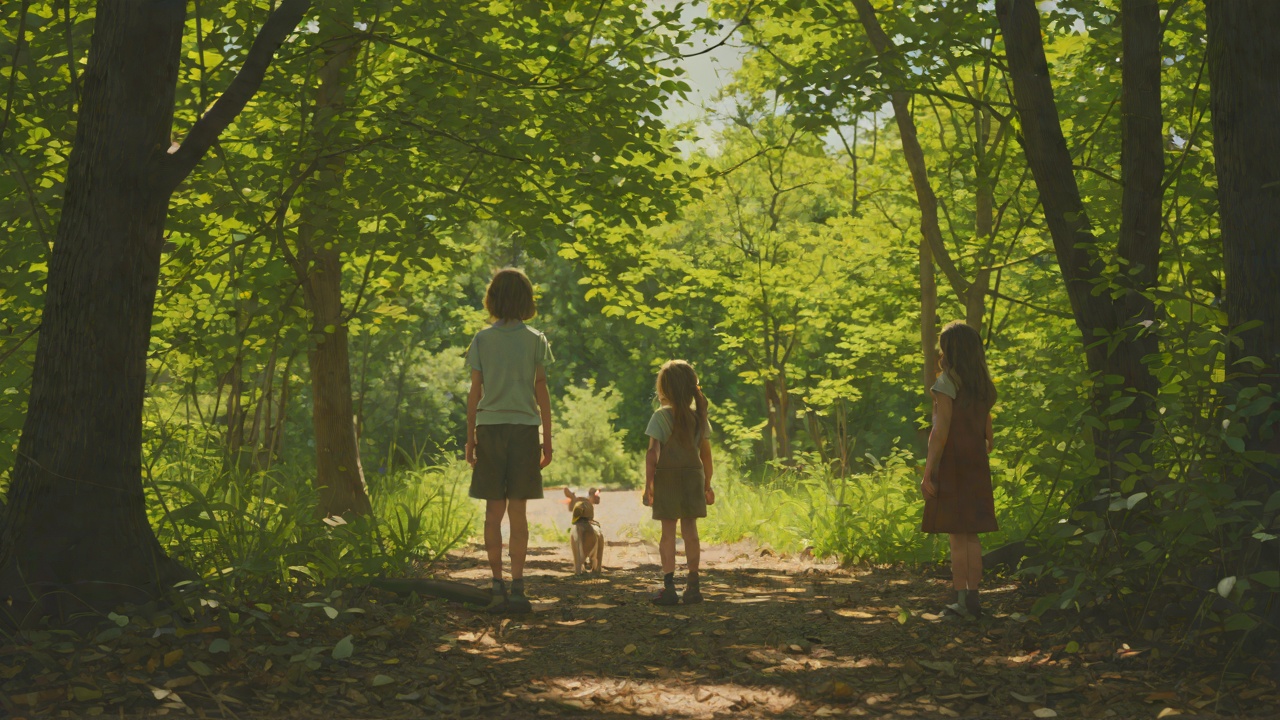
Childhood Witness
Scene
Lily grows up watching Andrew Bloom hurt Jenny Bloom, then apologize, then hurt her again. She learns the rhythm of violence and remorse before she knows its name. The house on Pleasant Street is the original site of the cycle she will later fight to break.
Significance
The abuse is not a secret to Lily; it is the texture of family life. She internalizes the pattern so deeply that she will replicate it with Ryle without recognizing it. The cycle begins in the body and memory of a child.
Aftermath
Lily leaves Plethora, but the pattern follows her in the way she explains away injuries and trusts apologies.
Vowing Never to Become Her Mother
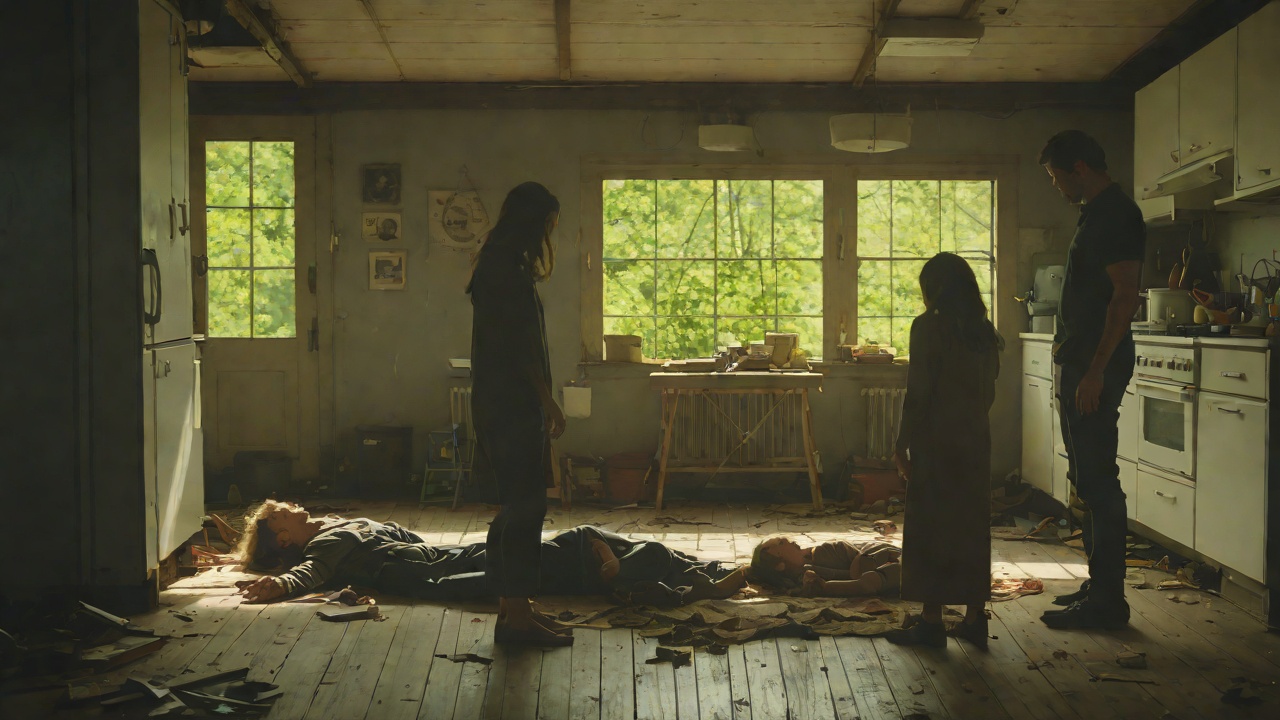
Vowing Never to Become Her Mother
Scene
After watching Andrew choke Jenny in the garage and being thrown to the floor herself, Lily decides she will never tolerate such treatment. She thinks of her mother as weak and promises herself a different future. The vow is sincere but based on a limited understanding.
Significance
The vow is the seed of the novel's title: Lily imagines the cycle ending with her generation. She does not yet grasp that abuse is not defeated by having strong opinions. The promise becomes the standard she will fail and then reclaim.
Aftermath
Years later, sitting on a rooftop with a stranger, Lily admits she is not sure she is much better than her father. The vow has already begun to crack.
Repeating the Pattern
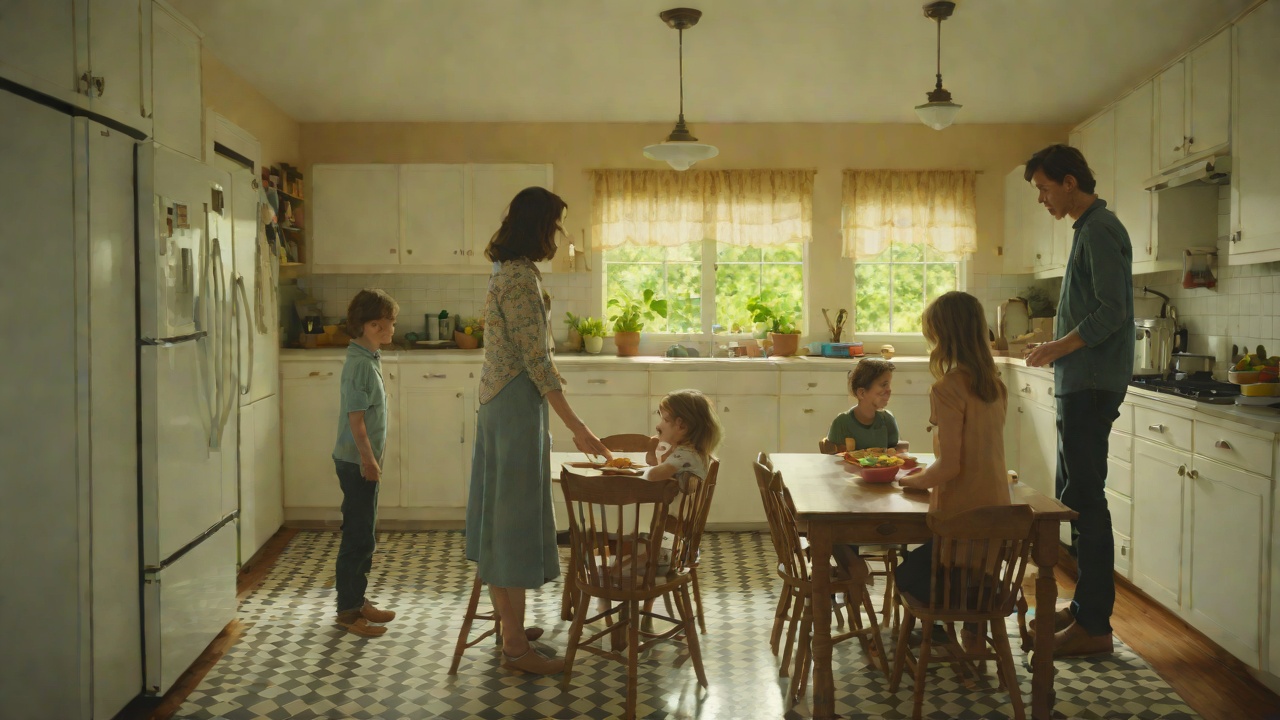
Repeating the Pattern
Scene
After the kitchen push, Lily explicitly compares Ryle to Andrew Bloom and concludes that Ryle is not like her father. She stays. The same logic recurs after the stairwell push, after each apology, and into the delivery room.
Significance
The repetition is the tragic heart of the cycle: each woman believes she can distinguish her abuser from the previous one. Lily's intelligence and independence do not protect her. The cycle continues precisely because it feels unique.
Aftermath
Lily begins to see the similarities when her mother describes losing her limit. Only then does she recognize that she is walking the same path.
Hearing Her Mother's Story
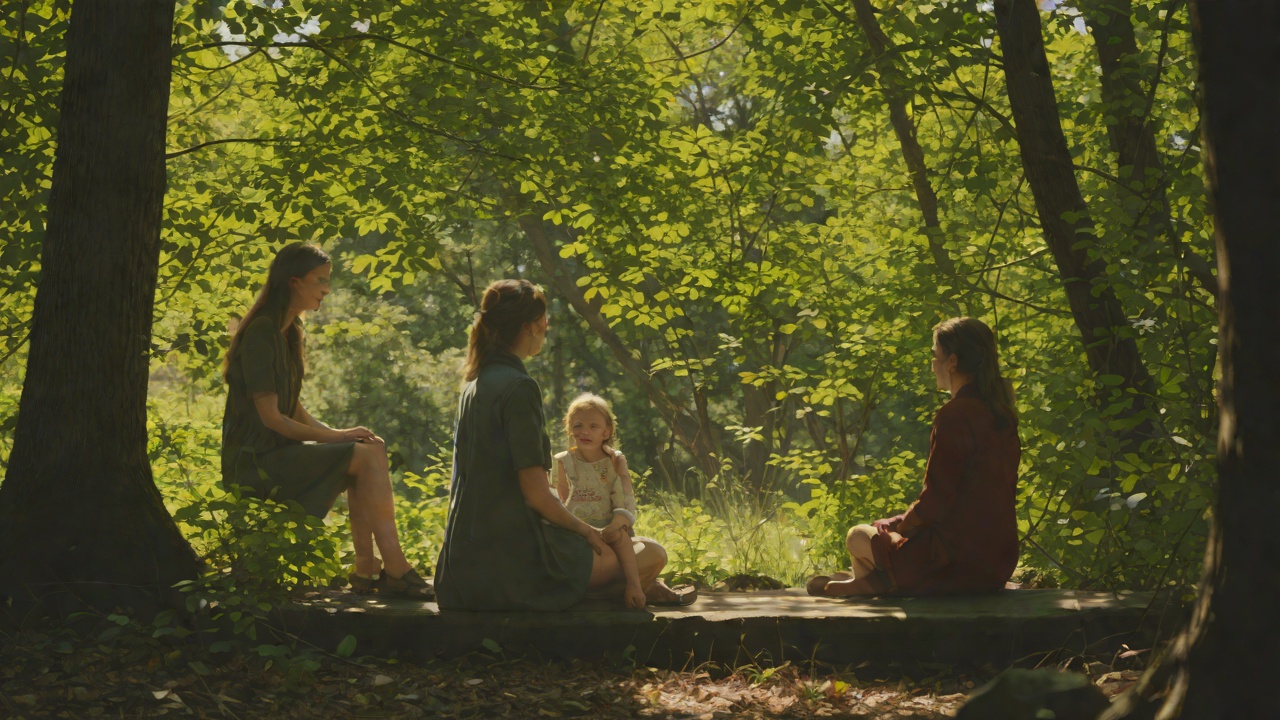
Hearing Her Mother's Story
Scene
Jenny tells Lily about each time Andrew hit her and how each apology wore down her capacity to leave. She warns that staying makes the next departure harder. Lily realizes her mother's weakness was actually a slow erosion of boundaries, not a failure of character.
Significance
The conversation transforms the phrase it ends with us from a vow Lily made against her mother into a promise she can make with her mother's blessing. Lily gains the tools to see the pattern before it claims another generation. The cycle is interrupted first through understanding.
Aftermath
Lily leaves her mother's house prepared to make the hardest decision of her life. She will not be able to untangle her love for Ryle, but she can choose not to pass that entanglement to Emerson.
Promise at the Hospital
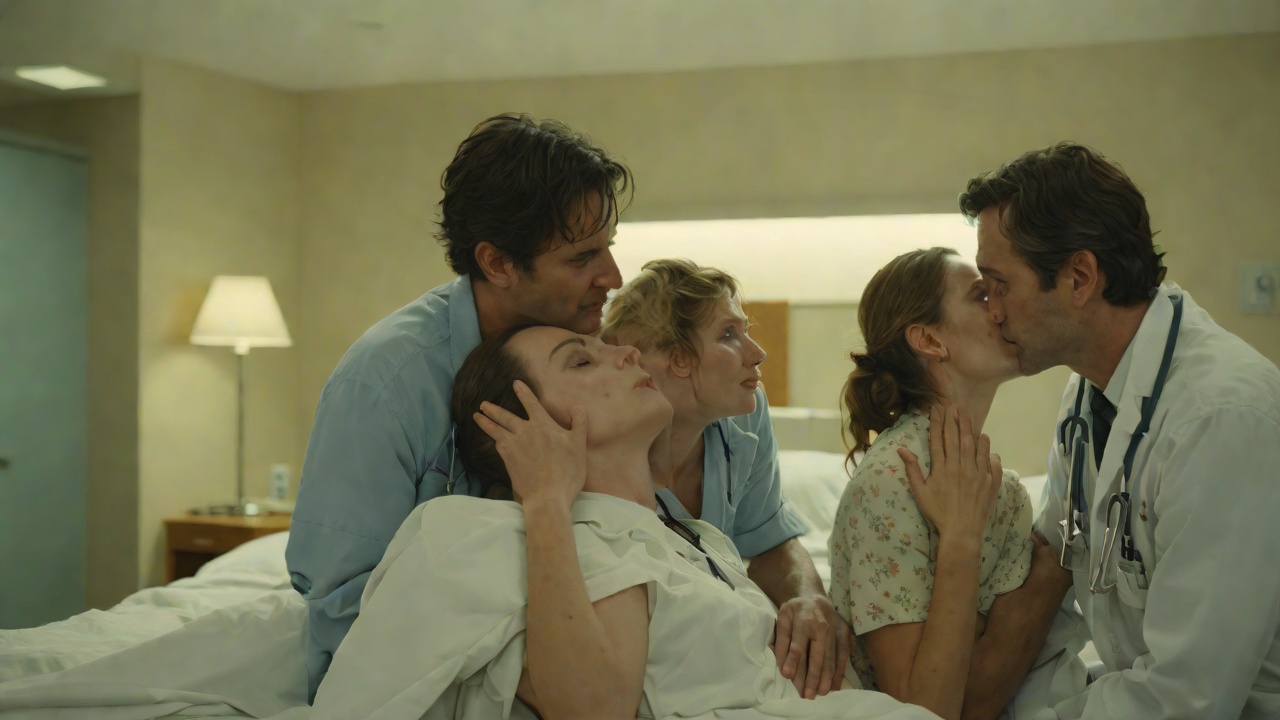
Promise at the Hospital
Scene
Lily asks Ryle for a divorce and then kisses Emerson's forehead, whispering that it stops here, with me and you, and ends with us. She makes the title phrase into an actual vow to her daughter. The cycle ends not with a dramatic escape but with a quiet promise.
Significance
The phrase finally names the book itself. Breaking the pattern requires an astronomical amount of courage and pain, and Lily willingly pays it. Emerson becomes the first Bloom woman who will not grow up with her father hitting her mother.
Aftermath
The epilogue shows Emerson thriving in a peaceful co-parenting arrangement. The cycle has been broken, and the promise of the title has been kept.
during Lily Bloom's early years in Plethora
after the garage attack on Jenny
when Lily tells herself Ryle is different from her father
during the confession at Jenny Bloom's house
after Emerson is born
