Lily Bloom and Allysa Kincaid's friendship
It Ends with UsLily Bloom and Allysa Kincaid's friendship is the emotional bedrock of the novel, a bond that forms almost instantly and endures through the most harrowing circumstances. It begins when Lily, newly arrived in Boston and searching for a space to open her floral shop, meets Allysa in a rundown building that Allysa owns. Within two hours, Lily is convinced she has met her new best friend, and the two discover a shared passion for upcycling, slapping "Keep" and "Toss" sticky notes on everything in the room and brainstorming design ideas for at least 75 percent of the leftover contents. The connection is immediate and visceral, a meeting of kindred spirits that transcends the professional transaction of renting a space.
A Friendship Forged in a Rundown Building
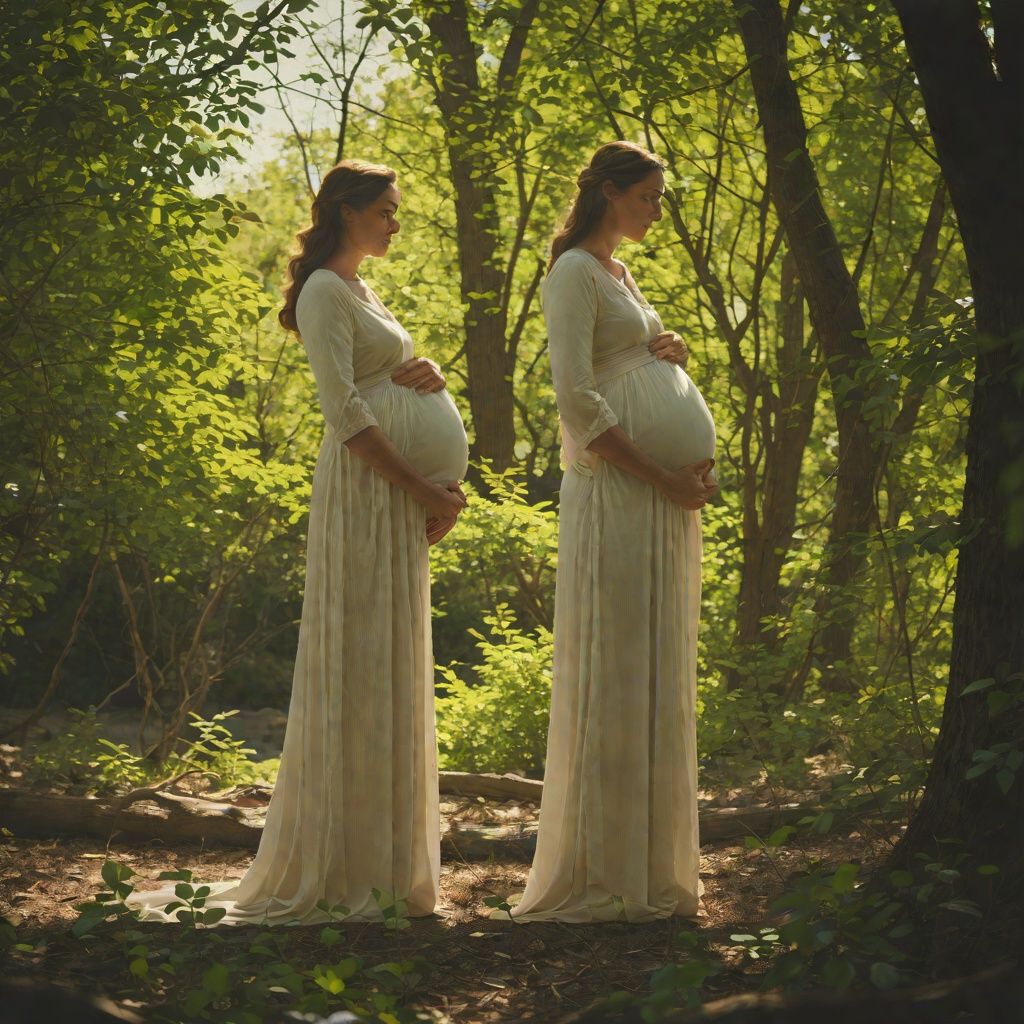
The friendship's origin is marked by an easy, unpretentious intimacy. Allysa, who owns the entire top floor of the building and whose husband works in pajamas while bringing in seven figures a year, is nonetheless covered in dirt from the day's work, her white capris stained as she leans back in her chair, unconcerned. This lack of pretense is the foundation of their bond. The relationship deepens quickly, moving from business acquaintances to genuine friends. When Lily later hands Allysa steampunk flowers after a game night, she clarifies that the gift is not a celebration of Allysa's pregnancy but simply a token of friendship: "I just want you to have them. Because you're my best friend." Allysa's response, whispered as she squeezes Lily, reveals how quickly she has come to see Lily as family: "I hope he marries you someday. We'll be even better sisters." This moment crystallizes the friendship's promise—a sisterhood that would transcend even the marriage she hopes for.
The Revelation of a Shared Family
The friendship's central complication emerges when Lily discovers that Allysa is the sister of Ryle Kincaid, the man she met on a rooftop six months earlier and has thought about many times since. The revelation comes as a shock: Allysa is the sister who owns the entire top floor, and Ryle is her brother. When Ryle kneels before Lily and says, "Nice to meet you," his knowing smile makes it obvious he remembers her. This coincidence binds Lily and Allysa's friendship to Lily and Ryle's romance, creating an inescapable entanglement. Allysa becomes not just Lily's best friend but her sister-in-law, and the two women's fates are woven together through their shared love for the same man—one as a sister, the other as a wife.
The Friendship Tested by Abuse
The friendship's true test comes when Ryle's violence escalates. After Ryle reads Lily's journals and assaults her, Lily finally confides in Allysa, revealing the abuse she has suffered. The confession forces Allysa into an impossible position: she is Ryle's sister, but she is also Lily's best friend. Her response is devastating in its clarity. After a long silence, she squeezes Lily's hands and speaks with a duality that captures the friendship's unique burden: "My brother loves you, Lily. He loves you so much. You have changed his entire life and have made him someone that I never thought he could be. As his sister, I wish more than anything that you could find a way to forgive him. But as your best friend, I have to tell you that if you take him back, I will never speak to you again." This declaration is the friendship's defining moment. Allysa's love for her brother is real, but her loyalty to Lily is absolute. She chooses Lily, and in doing so, she gives Lily the permission and the support to leave that Lily's own mother never had.
A Counterpoint to Lily's Mother
The friendship's significance is amplified by its contrast with Lily's relationship with her own mother, Jenny Bloom. Lily grew up watching her father abuse her mother, and she internalized the pattern: the abuse, the apologies, the flowers, the two weeks of peace that followed. Lily's mother had no support, no local women's shelters, no government assistance, and no money to leave. She stayed because leaving meant risking homelessness. Allysa offers Lily the opposite: unconditional support, a clear-eyed demand that Lily not repeat her mother's mistakes, and a friendship that functions as a lifeline. Where Jenny Bloom was isolated, Lily has Allysa. This contrast is central to the novel's argument that breaking the cycle of violence requires not just personal strength but communal support. Allysa's ultimatum—that she will sever the friendship if Lily returns to Ryle—is a form of tough love that Jenny Bloom never received, and it gives Lily the external validation she needs to choose herself.
The Friendship's Enduring Strength
Throughout the novel, the friendship is marked by moments of profound emotional intimacy that rival even Lily's romantic relationships. When Lily gives Allysa the steampunk flowers, she is moved to tears by the simple act of having a friend. When Allysa learns the full extent of Ryle's abuse and Lily's pregnancy, both women sob together, their grief shared and mutual. The friendship survives the divorce, the birth of Emerson, and the dissolution of Lily's marriage to Ryle. It endures because it is built on something more fundamental than circumstance: a genuine, unconditional love that neither abuse nor blood can break. In a novel dominated by the destructive cycles of domestic violence, the friendship between Lily and Allysa stands as proof that healthy, supportive relationships are possible—and that they can be the difference between staying and leaving, between repeating the past and breaking free from it.