Christmas porch confrontation
It Must Be Love: A Mustang Prairie RomanceChristmas porch confrontation is the pivotal post-Christmas scene in which Jack Thorpe goes to Trixie Beaumont’s house to apologize and tries to prevent their intimate relationship from ending. The encounter converts private hurt into an explicit argument about naming, responsibility, and love: Trixie seeks the safety of separation, while Jack’s persistence reveals that the connection he had treated as temporary has become emotionally indispensable.
Causes and Background
The confrontation follows a long pattern of attraction, avoidance, and miscommunication. Jack had initially treated Trixie as an improper presence in his family space, angrily objecting when he found her with Abby Thorpe behind the curtain of her lingerie shop and disparaging the place as a “dungeon of perversity.” Trixie, who had carried feelings for Jack for years, later told someone that she was finished having a crush on him, although the narration acknowledges that she would only mean it someday. The contrast between her declared resolve and her continuing vulnerability establishes the emotional pressure beneath the later porch scene.
Jack’s family life makes the conflict more complicated than a simple lovers’ quarrel. Abby had withdrawn from him for nearly a month, refusing ordinary interaction because she believed a shop filled with sexy lingerie was no place for a girl her age to spend time. Jack recognized that his daughter was miserable and believed he could repair the damage. His mother also urged him to tell Trixie the truth about his past marriage to Marissa Thorpe, warning that the dead marriage had become a ghost against which Trixie was forced to compete. This family perspective reframes Jack’s hesitation: his resistance to commitment is not presented as lack of feeling alone, but as the aftereffect of a marriage damaged by resentment and grief.
The immediate romantic background is equally important. Although Jack’s friends warned him not to pursue anything casual with Trixie, he went to her house and asked her out. Their first powerful kiss then produced a direct boundary from Trixie: she could not be with another man for the wrong reasons, and the next man had to want her for herself. Jack answered defensively, but the exchange exposed the central mismatch. Trixie wanted love and commitment, including their difficulties as well as their pleasures; Jack had not yet shown that he could offer either without retreating behind his past.
What Happens
The scene begins after Trixie has left a party early and returned home. She is alone in a silk nightshirt and knee-high wool socks, watching a deliberately campy horror film while drinking wine and eating cheddar popcorn. The doorbell interrupts that retreat. Everyone she expects to be in town is at The Lounge, so she is surprised to find Jack outside. He says that he has come to talk, and his hands remain buried in his pockets as he offers an uncertain smile.
Trixie tries to keep control of the encounter. She wraps herself in a blanket, sits in an oversized chair, and positions herself so that Jack cannot easily invade her space or weaken her resolve. She reminds him that she had already said the conversation was a bad idea. Jack, however, pushes his way inside and closes the door, insisting that she is wrong. His pacing, his elbows braced on his knees, and his fixed attention make his nervousness visible before he can articulate what he wants.
Jack identifies the source of the wound: Trixie heard him speaking at the bar. He apologizes, repeating that he is sorry and that he should not have said what he said. Trixie refuses to let the apology become a demand for emotional absolution. She tells him not to apologize for his feelings and tries to reduce the matter to civility, saying there are no hard feelings. Jack rejects that composure. Her repeated efforts to label the situation as fine, all right, or acceptable infuriate him because those words conceal rather than resolve the injury.
The argument turns physically and verbally confrontational when Trixie opens the door and tells him he is free to leave. Jack shuts it with enough force to rattle the acorn wreath outside. He explains that he would rather be with her, including sexually, and his whispered words trigger the bodily desire she is trying to deny. The scene therefore refuses a clean division between emotional restraint and physical attraction. Trixie’s resolve is real, but so is her response to him; desire becomes another force complicating the boundary she has attempted to establish.
The later Christmas exchange makes the same conflict more explicit. When Jack brings a painting to the house, Jonquil Spring innocently presents his visit as the delivery of a forgotten present. Trixie retreats to the enclosed porch, thanks him for the painting, and hopes he will leave. Jack instead tells her that she is avoiding him and asks why. She answers that whatever existed between them is over and that he should not prolong it merely to make himself feel better. Jack admits that he does not know how he managed to damage the situation so badly, but his apology only provokes her further because she believes remorse cannot substitute for the commitment he withheld.
Their definitions of the relationship collide. Trixie says that they are not a couple, only friends who used to sleep together, and now merely neighbors. Jack answers that he does not accept this description. When she insists that they are nothing but neighbors who used to have sex, he again disputes the label. Her anger also includes a concrete grievance: he failed to invite her to his art opening, despite knowing that she supported his work. To Trixie, the omission confirms that Jack wanted her while the sex lasted but did not value her beyond it.
Apology and Attempted Reconciliation
Jack’s apology is not initially eloquent. In an earlier encounter he offered a stilted, cold admission that his behavior had been wrong and that the way he had spoken to Trixie was uncalled for. She accepted it as begrudging but sufficient, partly because remaining near him made it easy for her to forget who she was and who she would probably always be to him. The porch confrontation deepens that apology by forcing Jack to remain present when Trixie refuses to reward him with immediate forgiveness.
His persistence is encouraged indirectly by the Thorpe family. During Christmas, Andie Thorpe tells him that apologizing is what boys should do after hurting a girl’s feelings and then bluntly suggests that he apologize to Trixie because she and Abby know he likes her. The child’s confidence cuts through Jack’s evasions. His attempt to repair the relationship is therefore not isolated from family life: his daughters observe the attachment, interpret his behavior, and push him toward emotional responsibility.
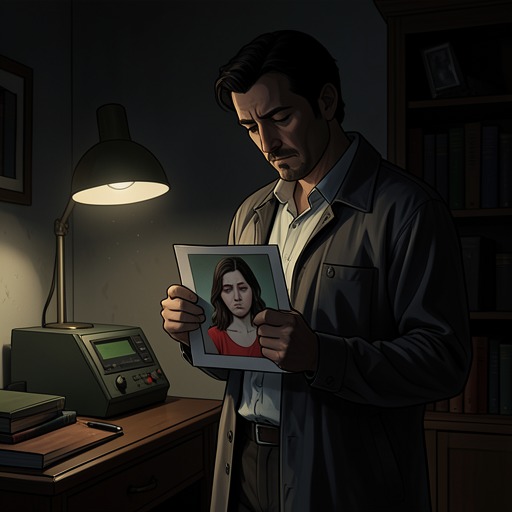
The decisive movement comes when Jack explains the art opening. He had looked for Trixie throughout the night and wondered whether she, like Marissa, was unwilling to support him. A conversation with Dylan corrected the mistake: Jack had simply forgotten to invite her. The realization devastated him, and he spent the evening staring at one painting while trying to persuade himself that he did not love her because he believed he already knew what love felt like. His apology thus becomes more than regret over a missed invitation. It is the first articulated recognition that Trixie’s absence can empty a triumph of its meaning.
Consequences and Significance
The confrontation does not immediately erase the injury. Trixie continues to defend her independence, insisting that Jack has no authority over what she does and that he cannot command her merely because he wants her. She also resists being drawn back into a relationship whose terms have historically been set by his desire and fear. Her language—friends, former sexual partners, neighbors—functions as a protective structure, giving her control over a connection that has repeatedly made her feel exposed.
Jack’s refusal to accept those terms marks a corresponding change in him. Earlier, he warned that he could not offer more; now he cannot honestly treat Trixie as an arrangement that can be ended without consequence. The repeated apologies, the unwanted but revealing visit, his distress at her avoidance, and his insistence that they are more than neighbors show a man moving from defensive denial toward emotional honesty, even though he remains clumsy and forceful in expressing it.
As a romantic turning point, Christmas porch confrontation combines the genre’s misunderstanding, separation, and attempted grand gesture. The missed art invitation becomes a small practical error with large emotional consequences because Trixie reads it through the history of Jack’s marriage and his refusal to make her fully visible. Jack’s effort to correct the error cannot succeed through words alone, but it changes the value of the relationship: what had seemed casual is revealed as a bond neither character can comfortably abandon. The scene’s lasting significance lies in that unstable transition from “friends who used to sleep together” toward the possibility that Jack Thorpe and Trixie Beaumont must finally acknowledge love, not merely desire.