
Abuse Across Generations
Jacob's LadderThe novel links childhood domestic violence to adult relationship patterns while showing that recognition can interrupt repetition.
increasing Bearing strength in each event
 decreasing
Bearing strength in each eventdecreasingThe Childhood Model
The Childhood Model
Violence sets the terms
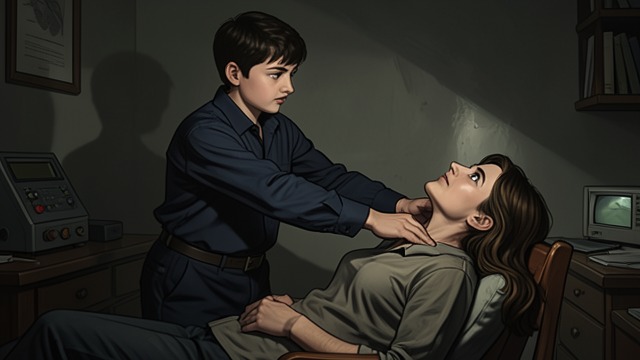
Yasha and Daniel witness their father abuse their mother and intervene to protect her. The family’s children learn that affection and danger can occupy the same household.
A cost paid by children
Daniel takes punishment and Yasha admires him for it. Their actions express courage, but they also reveal how early responsibility is forced onto the boys.
The Adult Echo
The Adult Echo
Familiarity distorts judgment
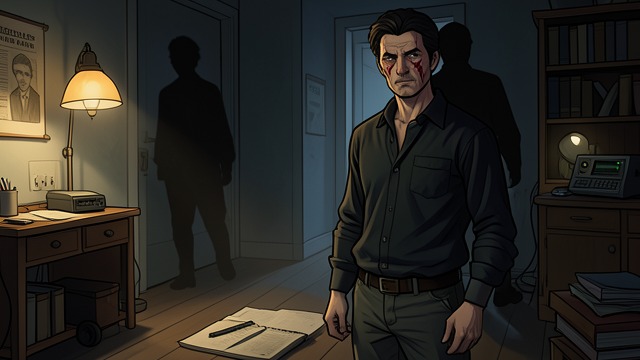
Yasha admits that violence feels familiar and recognizes that he has tolerated behavior he should have left. The past has shaped his expectations without making him responsible for Sander’s choices.
Strength becomes a misleading defense
Because Yasha is trained to fight, he assumes he can control physical danger. That belief falters when illness leaves him unable to defend himself.
A Repetition Broken by Illness
A Repetition Broken by Illness
The feared pattern becomes real
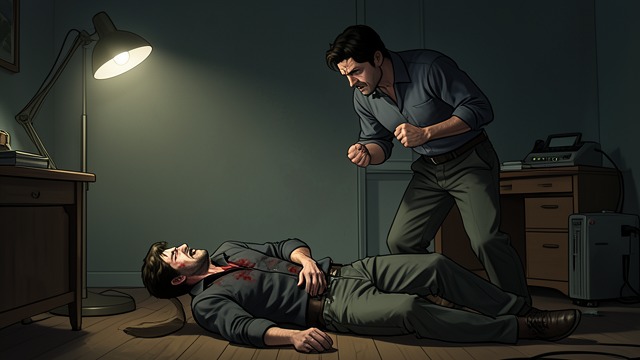
Sander beats Yasha while he is physically compromised. The attack recalls childhood violence and strips away Yasha’s belief that skill alone can keep him safe.
Naming the cycle
Afterward, Yasha acknowledges that attraction to familiar violence may help explain why he stayed. The realization does not excuse the abuse; it opens a way to understand its hold.
Daniel’s Different Test
Daniel’s Different Test
Fear of becoming their father
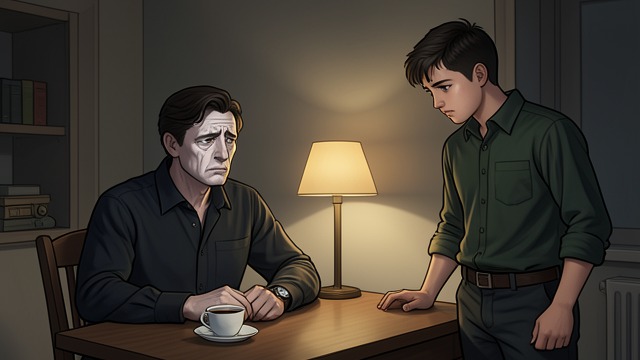
Daniel says he stayed in an unhappy marriage partly to prove he was not like the father who abandoned and harmed the family. His loyalty was shaped by inherited fear.
The old measure is questioned
Ending the marriage forces Daniel to ask whether endurance alone makes him different. His decision offers another perspective on how children carry parental violence into adult relationships.
A New Pattern of Care
A New Pattern of Care
Mutual rather than coerced support
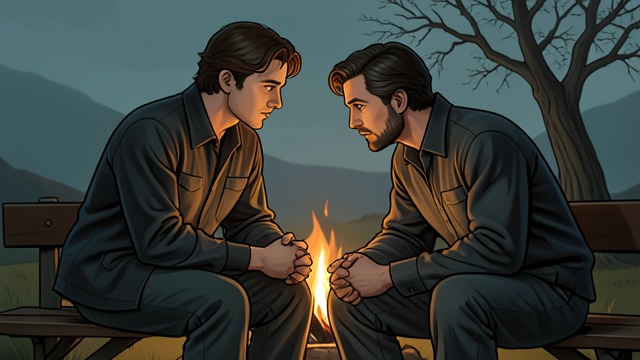
Yasha and Daniel care for one another through injury, disclosure, and uncertainty. Their bond no longer depends only on one brother rescuing the other.
A future not ruled by the past
Neither man can erase what happened in childhood. By speaking honestly and making new plans, they begin to define family through chosen support rather than fear and silence.
Before their father leaves the family
Before Sander’s assault
During Sander’s assault
After Daniel leaves BreeAnna
Near the ending, as the brothers plan a future
