
Trauma Lives in the Body
Jacob's LadderYasha’s bodily responses show how earlier violence and danger remain present through triggers, dissociation, and gradual recovery.
increasing Bearing strength in each event
 decreasing
Bearing strength in each eventdecreasingMemory Before Explanation
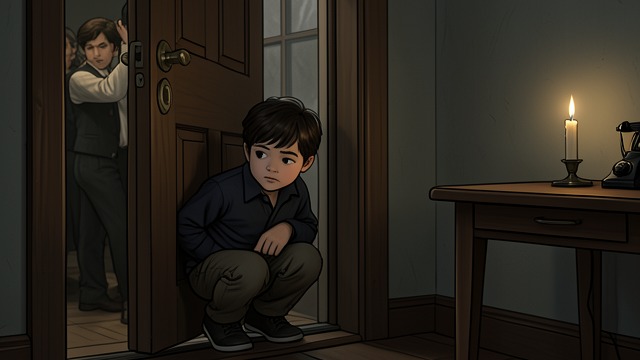
Memory Before Explanation
The body learns danger
Yasha grows up amid shouting and violence directed at his mother and brother. The family’s sounds and routines teach him to anticipate harm before he can understand it fully.
Silence becomes protective
The children try to defend one another, while their grandfather offers temporary safety. Fear and care become intertwined in the memories Yasha carries into adulthood.
Dissociation During the Beating
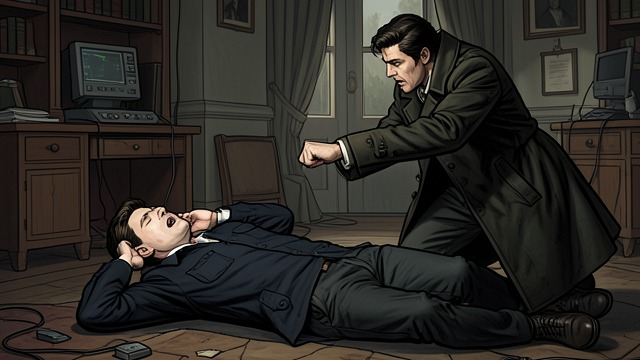
Dissociation During the Beating
Pain recedes into numbness
As Sander continues striking him, Yasha describes entering a familiar space between another person’s rage and darkness. The separation from sensation helps him survive the immediate assault.
Survival has a cost
Dissociation does not mean the violence is harmless or forgotten. The scene shows how the mind’s protection can leave a survivor disconnected from the danger happening to the body.
Triggers on the Road

Triggers on the Road
Ordinary sounds turn threatening
A speeding car and its tires send Yasha into memories of past explosions and danger. Loud noises can make him lose his sense of where he is.
The present offers grounding
The walk beside the ocean helps him regain his breathing and orient himself. Recovery appears as a repeated act of returning to the present, not as erasure of what happened.
Trauma Recognized in Another
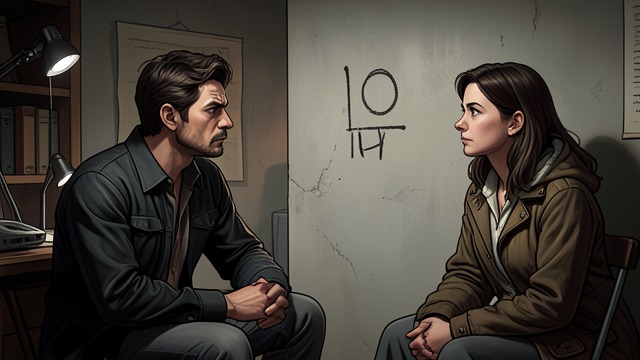
Trauma Recognized in Another
Experience becomes communicable
Yasha explains how a trigger can feel real in the body even when its source lies in the past. His account helps Muse understand the seriousness of Analise’s reactions.
Shared language without sameness
Yasha’s experience does not make him identical to Analise, but it gives him a way to respond with empathy. Recognition allows care without claiming another person’s story.
Shock After the Collision
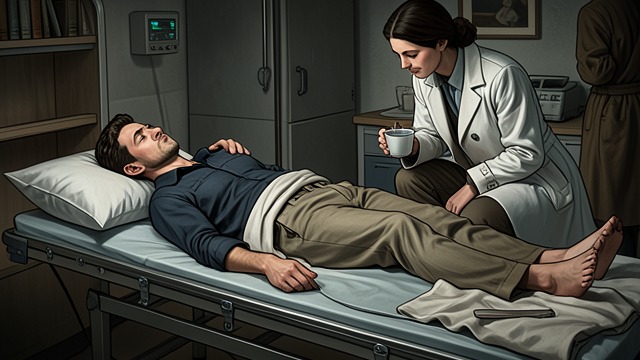
Shock After the Collision
Sensation goes distant
After the wreck, Yasha struggles to understand his surroundings and feels disconnected from his body. He focuses on Daniel because fear for his brother crowds out attention to himself.
Care restores orientation
JT and Cameron guide him through triage, transport, food, and rest. Their grounded attention helps him move from emergency shock toward the immediate tasks of recovery.
In Yasha’s childhood home
During Sander’s attack
During Yasha’s first nights walking through town
During the bakery conversation about Analise
At the crash scene and hospital
