Stop Partnership in Violence
Jacob's LadderStop Partnership in Violence (SPiV) is a domestic-violence support group in St. Nacho’s. The novel introduces it through a meeting attended by Yasha, whose presence brings the group’s gendered framing into view: although it is described as a battered-women’s support group, he is also a survivor seeking help. The scene presents SPiV as a setting for peer support, while offering little information about any wider organizational structure or services.
Identity and Setting
SPiV meets in a high school classroom repurposed as a meeting place. Its participants sit in a small circle of chairs; when Yasha arrives, the women are silent and visibly tense. The group is led by Alice, the nurse Yasha previously encountered at the hospital. These details establish the organization through a modest, local gathering rather than through a formal description of its policies or institutional reach.
Referral and Welcome
JT directs Yasha toward the group after explaining that, as a first responder, he has seen domestic violence and researched ways to help people experiencing it. His referral leads Yasha from a conversation with JT into the classroom meeting. The transition is abrupt for Yasha, who is unsure how he got there, but Alice welcomes him before the group.
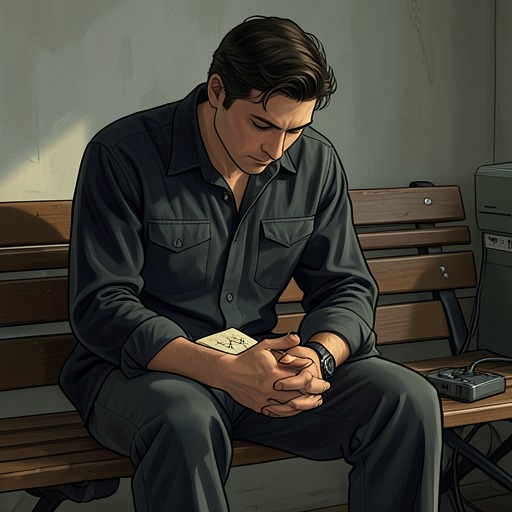
When the meeting turns toward sharing, Yasha struggles to speak. He rises so quickly that his chair falls over, then dives to pick it up. Alice tells him that he need not share that day if he does not feel ready. Her response leaves participation voluntary in that moment: the group offers him a place without requiring an immediate account of his experience.
Inclusion and Narrative Significance
The meeting makes visible a tension between the group’s women-centered description and the broader reality of domestic violence. Yasha recognizes that the women around him have experienced abuse, but also confronts his assumption that a group for battered women cannot include someone like him. The scene does not equate his circumstances with theirs; instead, his presence unsettles the idea that abuse belongs to women alone.
SPiV’s significance in the novel rests on this encounter and on the practical path into support that it represents. JT’s research and referral connect Yasha with a group led by a healthcare worker, while Alice’s welcome and acceptance of his silence make room for him without compelling disclosure. The text establishes neither the group’s full program nor its long-term relationship with Yasha, so its documented role remains specific: a local support setting where a male survivor is acknowledged and permitted to participate at his own pace.