Georgiana Reed
Jane EyreGeorgiana Reed, the younger daughter of Mrs. Reed, is introduced as a pretty, spoiled child whose pink cheeks and golden curls purchase indemnity for every fault. In the opening chapters of Jane Eyre, she is one of the three Reed children clustered around their mother in the drawing-room, from which Jane is excluded. Georgiana's beauty is universally indulged: she is described as having a spoiled temper, a very acrid spite, and a captious and insolent carriage, yet she is treated with universal favor. Her mother, Mrs. Reed, dotes on her, and even the servants, like Bessie Leaven and Martha Abbot, openly prefer her to Jane, with Abbot declaring, "I doat on Miss Georgiana!" and praising her long curls, blue eyes, and sweet colour. This preferential treatment contrasts sharply with the harshness Jane endures, and Georgiana, along with her siblings, is part of the system of oppression that makes Jane's childhood miserable.
Appearance and Character
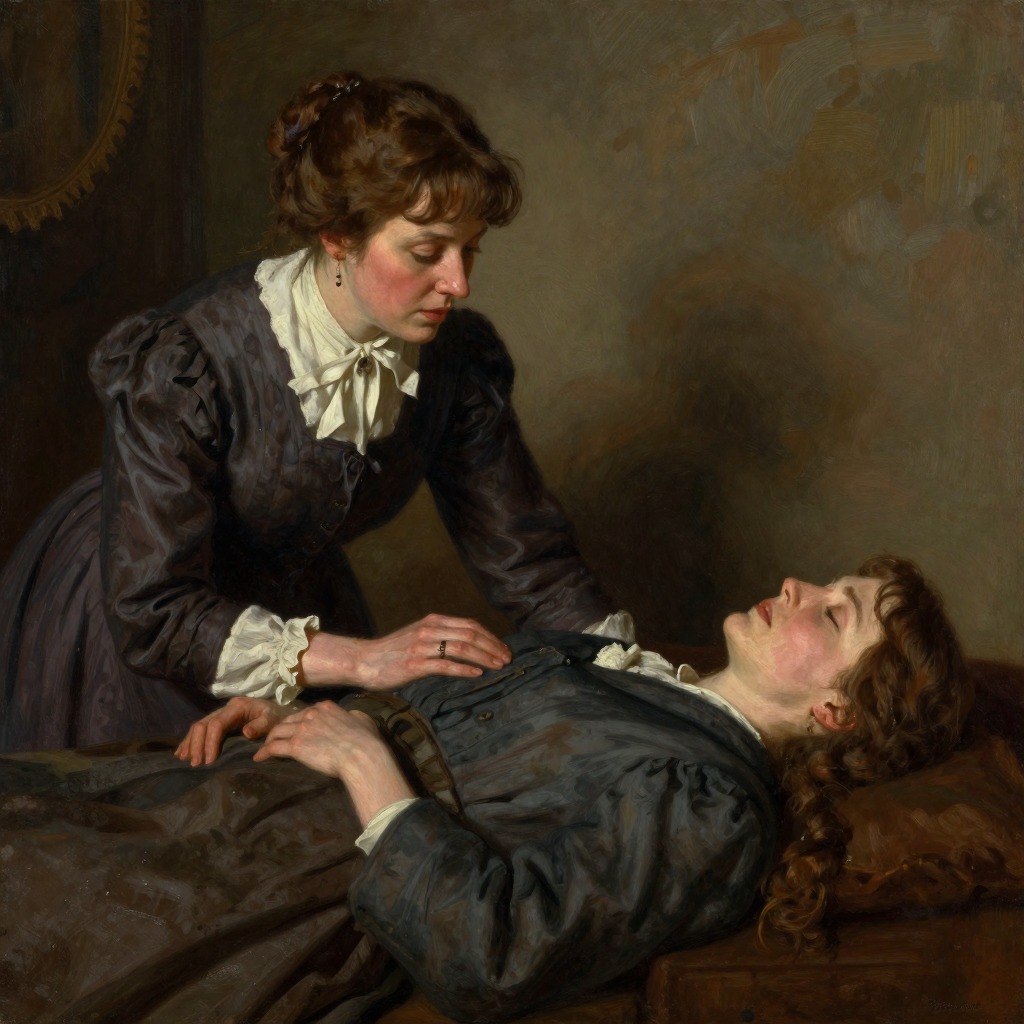
Georgiana is described as a full-blown, very plump damsel, fair as waxwork, with handsome and regular features, languishing blue eyes, and ringleted yellow hair. When Jane returns to Gateshead years later, she finds Georgiana transformed from a slim, fairy-like girl of eleven into a voluptuous young woman. Her dress is stylish and becoming, in contrast to her sister Eliza's puritanical black. Georgiana's character is marked by vanity, indolence, and a craving for admiration and excitement. She spends her days lying on the sofa, fretting about the dullness of the house, and wishing for invitations to London. She is described by Eliza as "a more vain and absurd animal" who seeks only to fasten her feebleness on some other person's strength. Georgiana's mind is wholly taken up with reminiscences of past gaiety and aspirations after dissipations to come; she passes only about five minutes each day in her mother's sick-room, showing little concern for the dying woman.
Life and Plot Trajectory
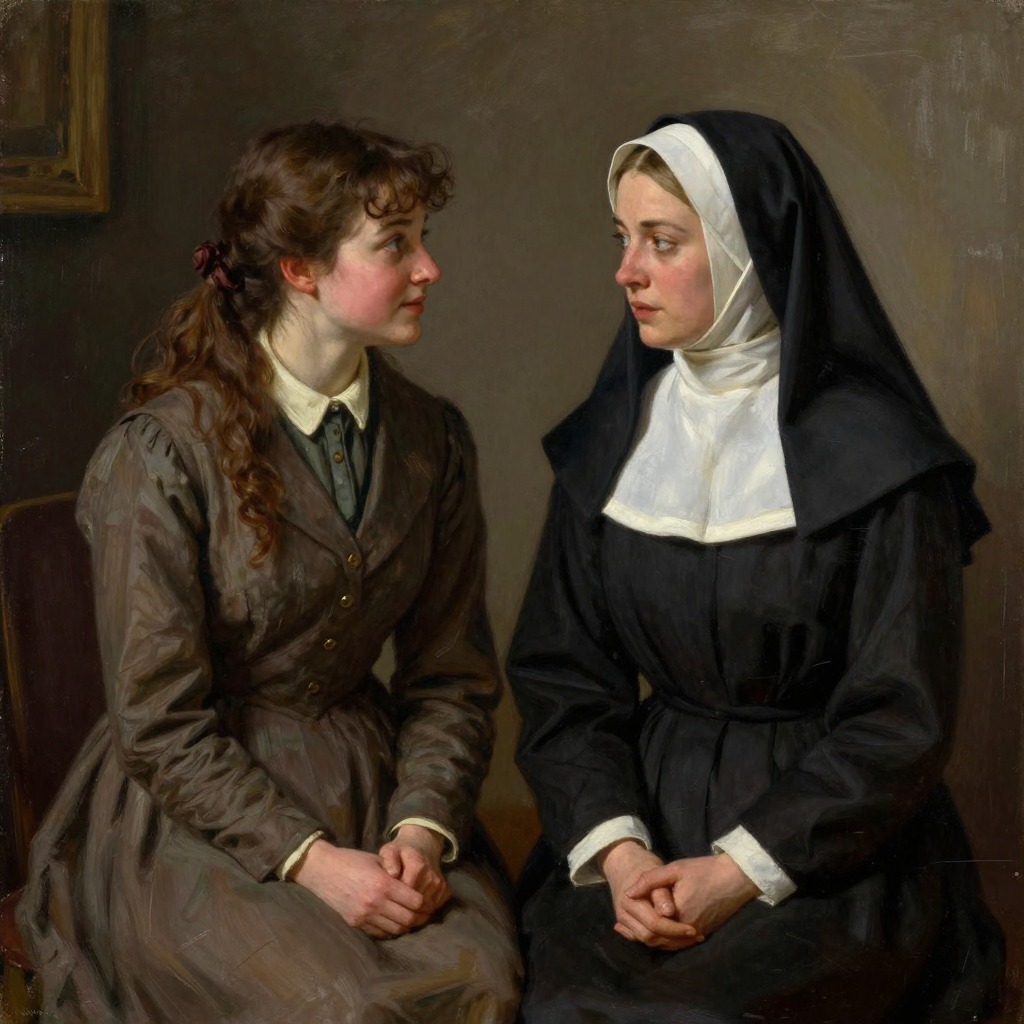
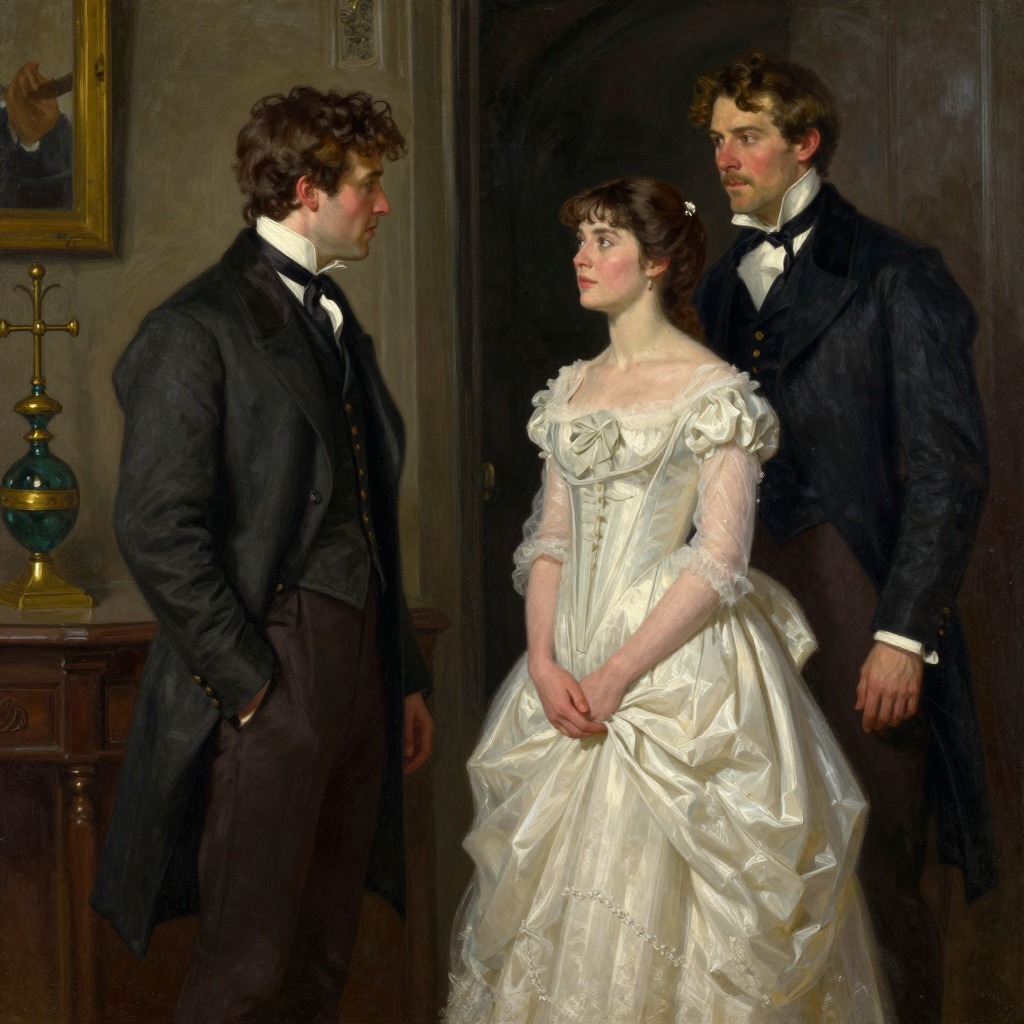
Georgiana's life is marked by a failed elopement with a young lord, which was discovered and stopped by her sister Eliza, whom Georgiana accuses of envy and of ruining her prospects. After their mother's death, Georgiana goes to London, invited by her uncle Mr. Gibson, and eventually makes an advantageous match with a wealthy, worn-out man of fashion. This marriage confirms her as a creature of social ambition rather than genuine feeling. She is last mentioned as having married well, while Eliza takes the veil and becomes a convent superior. Georgiana's trajectory—from a spoiled child to a society beauty to a titled wife—illustrates the limited but conventional path available to a woman of her class and temperament.
Relationships and Conflict
Georgiana's relationship with her sister Eliza is one of mutual antipathy. Eliza is cold, formal, and industrious, while Georgiana is idle, vain, and frivolous. They lead "a cat and dog life together," constantly quarrelling. Eliza openly despises Georgiana's indolence and selfishness, telling her that she has no right to be born because she makes no use of life. Georgiana, in turn, accuses Eliza of being the most selfish, heartless creature in existence and of having acted as a spy and informer to ruin her prospects with Lord Edwin Vere. Their conflict culminates after their mother's death, when Eliza declares that she will wash her hands of Georgiana and that they will be as separate as if they had never known each other. Georgiana's relationship with Jane is marked by coldness and semi-sarcastic attentions; she treats Jane with a superciliousness that measures her from head to foot, but Jane, now more mature, is unaffected by it.
Thematic Significance
Georgiana Reed serves as a foil to both Jane Eyre and her sister Eliza. She embodies the dangers of vanity, idleness, and a life devoted solely to pleasure and social advancement. Her beauty and charm win her admiration but do not lead to genuine happiness or moral growth. Her marriage to a wealthy but worn-out man of fashion is a conventional happy ending that contrasts with Jane's marriage to Rochester, which is based on mutual love, respect, and intellectual equality. Georgiana's character illustrates the limited options available to women of her class: she can either marry well or, like Eliza, retreat into a convent. Her story underscores the novel's critique of a society that values women for their beauty and social connections rather than their character and intellect.