India
Jane EyreIndia appears in Jane Eyre not as a visited landscape but as a powerful geographical and moral symbol—the faraway land where St. John Rivers intends to fulfill his religious calling as a missionary. It represents the extreme opposite of the domestic, emotional fulfillment Jane chooses: a life of self-denial, labor, and spiritual ambition in a foreign and physically punishing climate.
St. John Rivers's Missionary Vocation
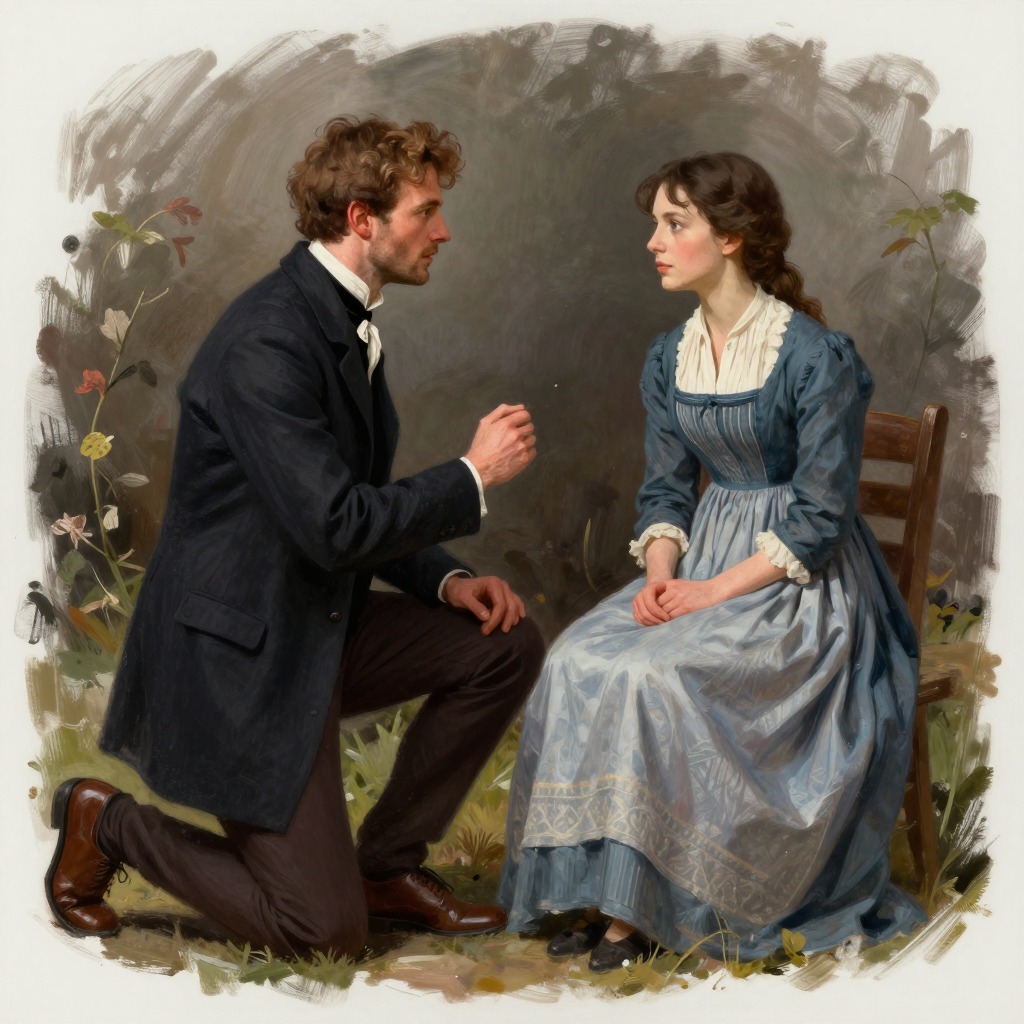
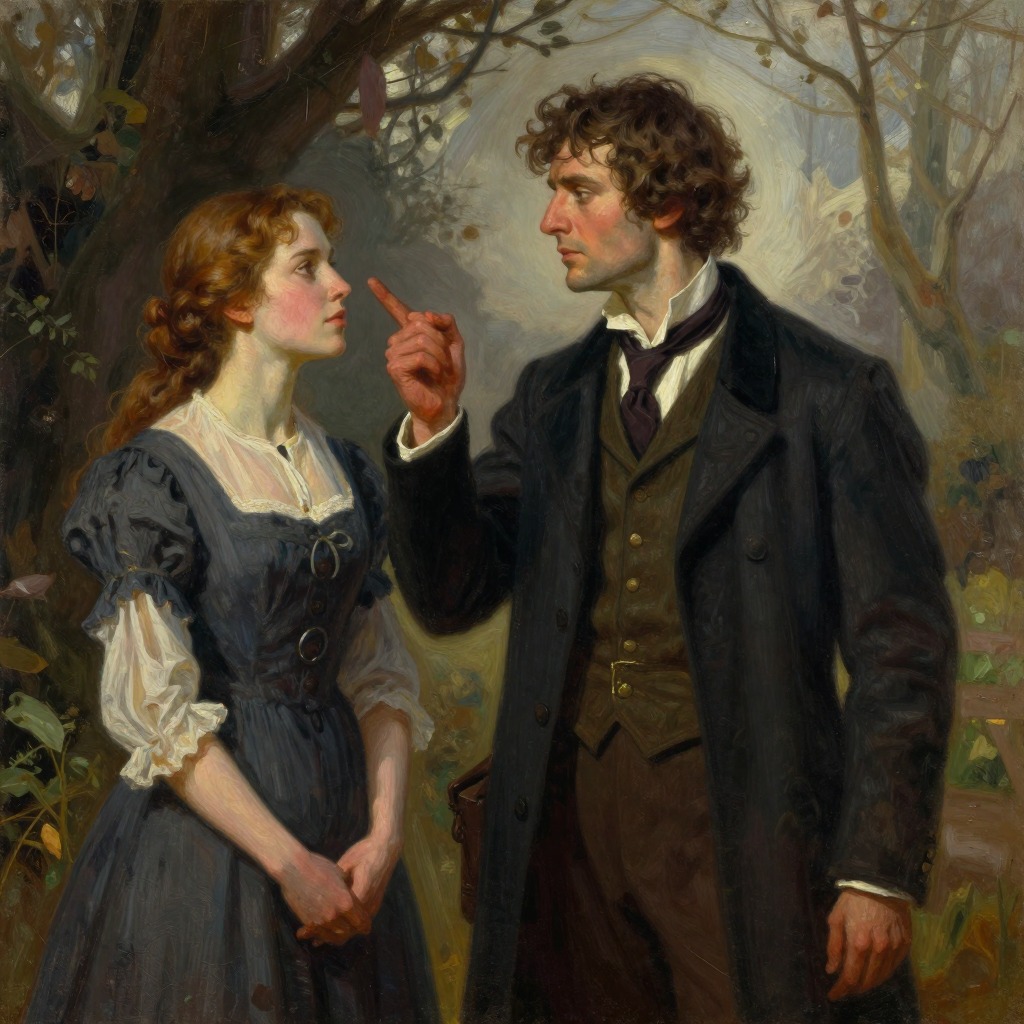
St. John Rivers, a clergyman of stern and ascetic temperament, resolves to become a missionary and sets his sights on India as the field for his life's work. He tells Jane that his cramped existence as a country parson "all at once spread out to a plain without bounds" when he heard the call from heaven to become a missionary, and that he will "leave Europe for the East" . He frames his departure as a sacred duty, declaring himself "the servant of an infallible Master" and expressing astonishment that others do not "burn to enlist under the same banner" . India is thus presented as the stage for a heroic, self-sacrificing Christian enterprise, one that demands the best qualities of a soldier, statesman, and orator .
India as a Place of Danger and Death
The novel consistently associates India with physical peril and early death. When St. John proposes that Jane accompany him as his wife and fellow-laborer, she immediately perceives that her life would be cut short there. She reflects, "I feel mine is not the existence to be long protracted under an Indian sun" , and later tells Diana that she would not "live three months there" . St. John himself acknowledges the danger, but treats it as irrelevant to the divine mission: when Jane says she would not live long in that climate, he responds by accusing her of being "afraid of yourself" . The novel's conclusion confirms this fatal trajectory: St. John goes to India unmarried, labors as a "resolute, indefatigable pioneer" , and anticipates his imminent death, writing that "his glorious sun hastens to its setting" . India, in this light, is a place where the body is sacrificed for the soul's reward.
Colonial Context and the West Indies
India is not the only colonial location in the novel; it is part of a broader imperial geography that includes the West Indies, where Mr. Rochester's disastrous first marriage to Bertha Mason took place. Bertha is identified as a Creole from Spanish Town, Jamaica , and her family's wealth came from West Indian plantations . The novel draws a contrast between the two colonial spheres: the West Indies are the site of Rochester's entrapment in a mad, violent marriage, while India is the site of St. John's noble but fatal missionary zeal. Both, however, are places that the English protagonists must either escape or die in, reinforcing the idea that true happiness and life are found only in England.
India as a Test of Jane's Values
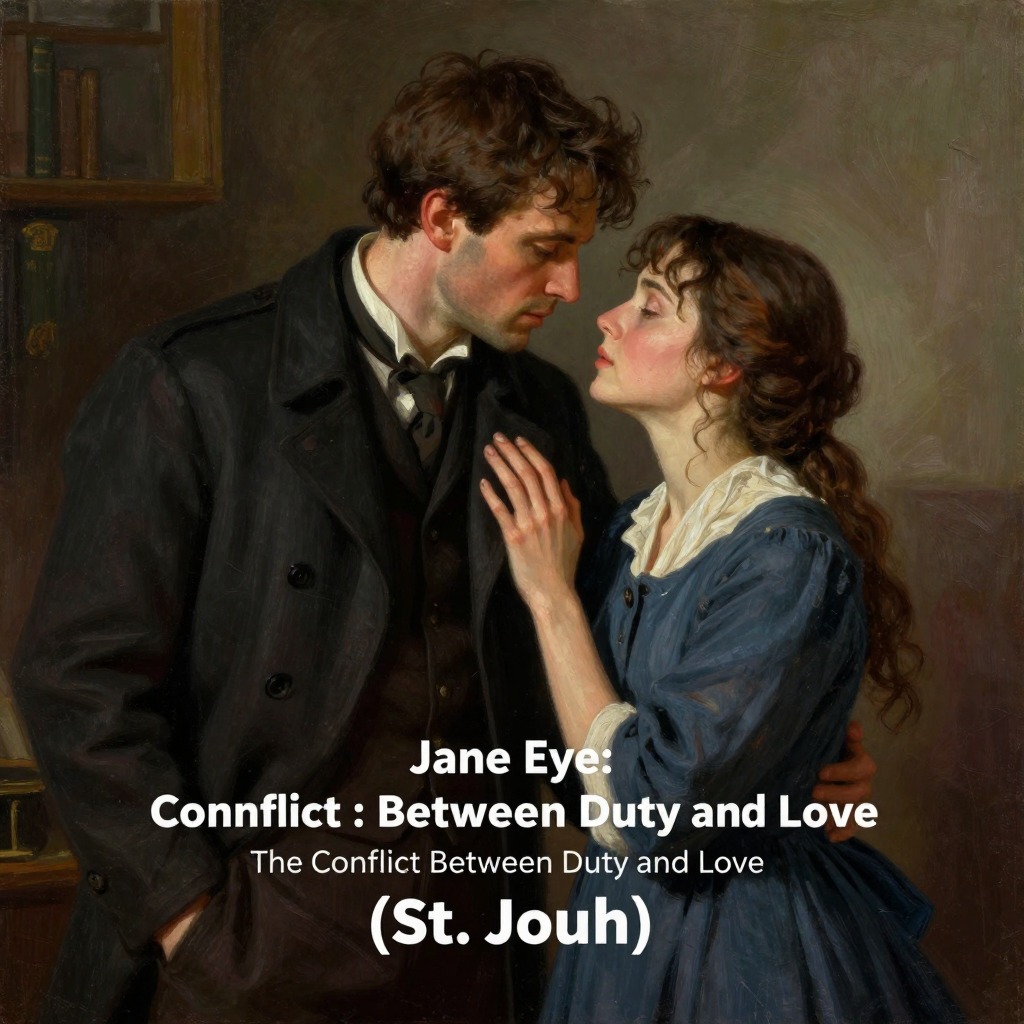
India functions as a crucial test of Jane's moral and emotional priorities. St. John's proposal to take her there as his wife forces her to choose between a life of principled but loveless service and the passionate, equal union she desires with Rochester. She ultimately rejects the Indian mission because it would require her to "abandon half myself" and enter a marriage without love. Her refusal is a definitive assertion of her own values over St. John's austere religious ambition. The novel thus uses India to dramatize the conflict between duty and love, self-sacrifice and self-fulfillment, and to affirm Jane's choice of personal happiness within a domestic English setting.
Narrative Significance
India remains an offstage presence throughout the novel, never directly depicted but powerfully felt through St. John's letters and Jane's internal debates. It represents the extreme of self-abnegation that Jane considers but ultimately rejects. The final chapter reports that St. John is in India, unmarried, and nearing death, while Jane is in England, married to Rochester, and happy. This geographical and moral opposition structures the novel's resolution: India is the place of the missionary's lonely martyrdom, England the place of the wife's fulfilled love.