Mary Rivers
Jane EyreMary Rivers is the younger of the two Rivers sisters who, with their brother St. John, rescue Jane Eyre from starvation and exposure at Moor House. Though less assertive than her sister Diana, Mary possesses a quiet, steady intelligence and a deep capacity for affection that makes her an indispensable part of the family circle that becomes Jane's first true home.
Identity and Background
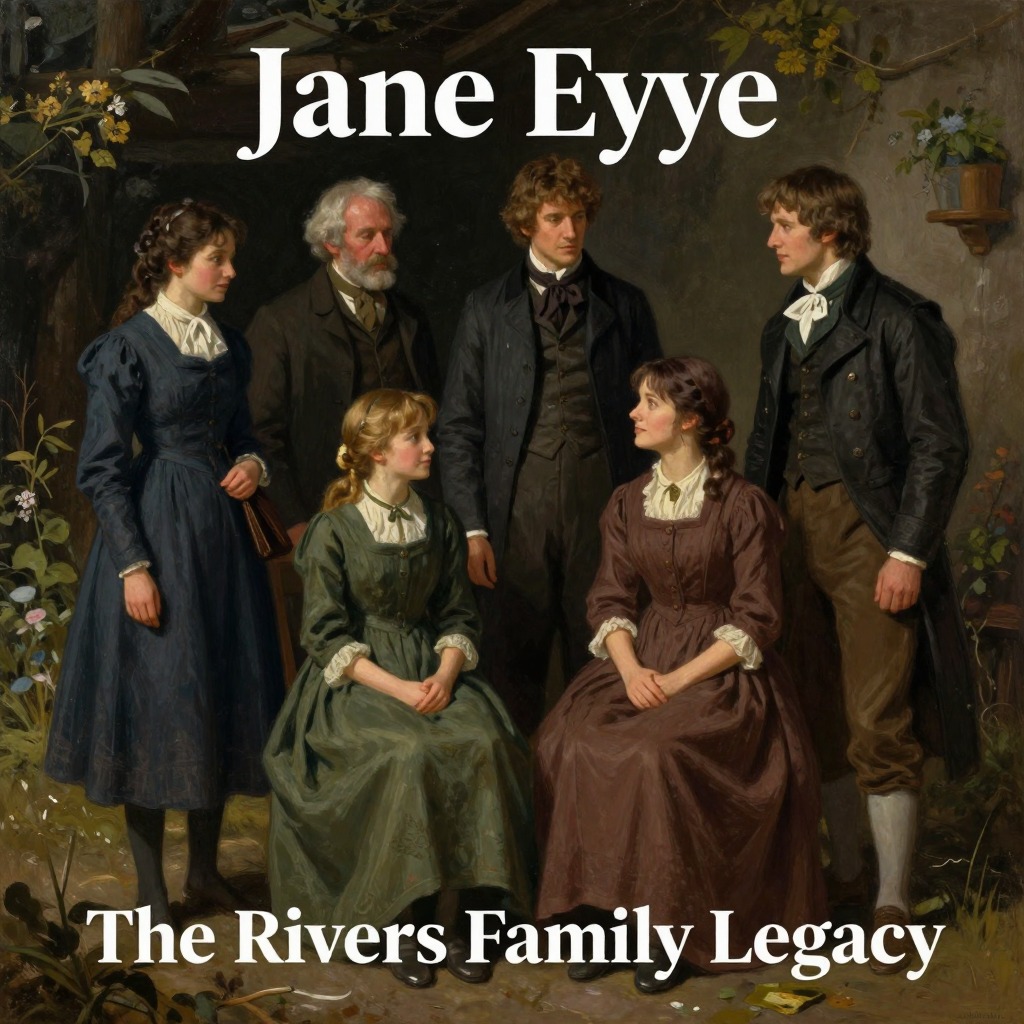
Mary Rivers, along with her sister Diana and brother St. John, is the child of the late Mr. Rivers, a gentleman of an ancient family whose estate, Marsh End (also called Moor House), has belonged to the Rivers for over two hundred years. Their mother, a great reader who studied a great deal, died many years before the events of the novel, and their father died of a stroke three weeks before Jane's arrival. The family, though of good birth, has fallen on hard times: their father lost a great deal of money through a trusted man who turned bankrupt, leaving the children with little patrimony. As a result, Mary and Diana have had to work as governesses in wealthy households, where they are regarded only as humble dependants. Mary is described as having a face full of distinction and intelligence, with fair complexion, slender build, and pale brown hair parted and braided smooth. She is somewhat more reserved in manner than Diana, with a gentler but more distant expression.
Life at Moor House and Relationship with Jane
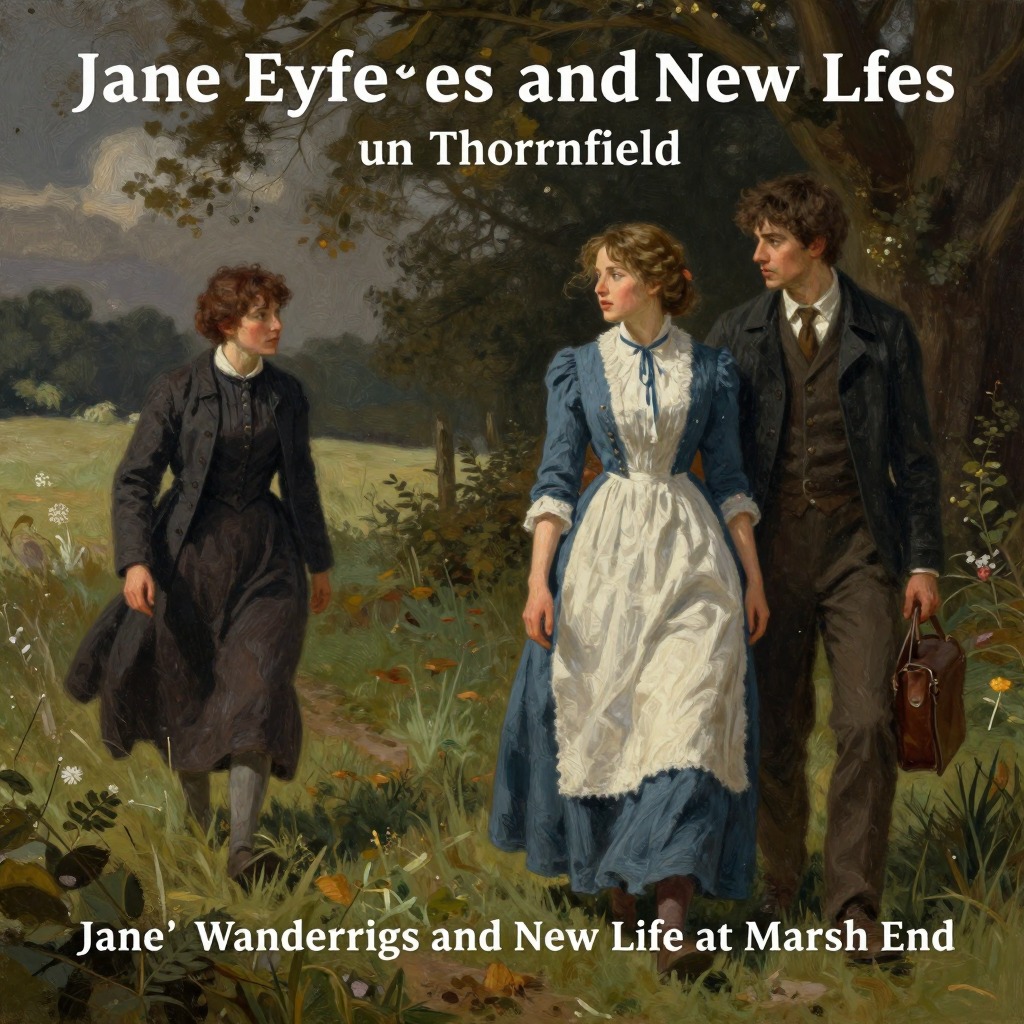
When Jane first arrives at Moor House, Mary is one of the two young women she sees through the kitchen window, sitting by the fire reading. Mary is initially more reserved than Diana, but she shows immediate kindness to the starving Jane, gently removing her sodden bonnet and lifting her head, and urging her to eat. During Jane's convalescence, Mary and Diana visit her once or twice a day, whispering their observations that she is clearly not uneducated, that her accent is pure, and that her clothes, though splashed and wet, are fine and little worn. Mary's voice is described as gentle, and her manner, though more distant than Diana's, is consistently kind. As Jane recovers, she finds that Mary and Diana are perfectly congenial companions: they share the same tastes in reading, the same love of their sequestered home and the surrounding moors, and the same intellectual curiosity. Mary, Jane discovers, is a docile, intelligent, and assiduous pupil when Jane teaches her to draw, and the two sisters and Jane spend days that pass like hours in mutual entertainment.
Character and Temperament
Mary is notably quieter and more reserved than her sister Diana. While Diana is described as having a will of her own and a certain authority, Mary's expression is more reserved and her manners, though gentle, more distant. She speaks in an undemonstrative, sincere tone that seems natural to her. When St. John proposes to Jane, Mary is the one who murmurs, in a low voice, that he is too inquisitive. She is deeply affected by the prospect of parting from her brother when he leaves for India, bending her head low over her work and murmuring that they will soon be without home and brother. Yet she also possesses a quiet strength: when the news arrives that their uncle has left them only thirty guineas for mourning rings, she remarks calmly that it makes them no worse off than they were before.
Later Life and Marriage
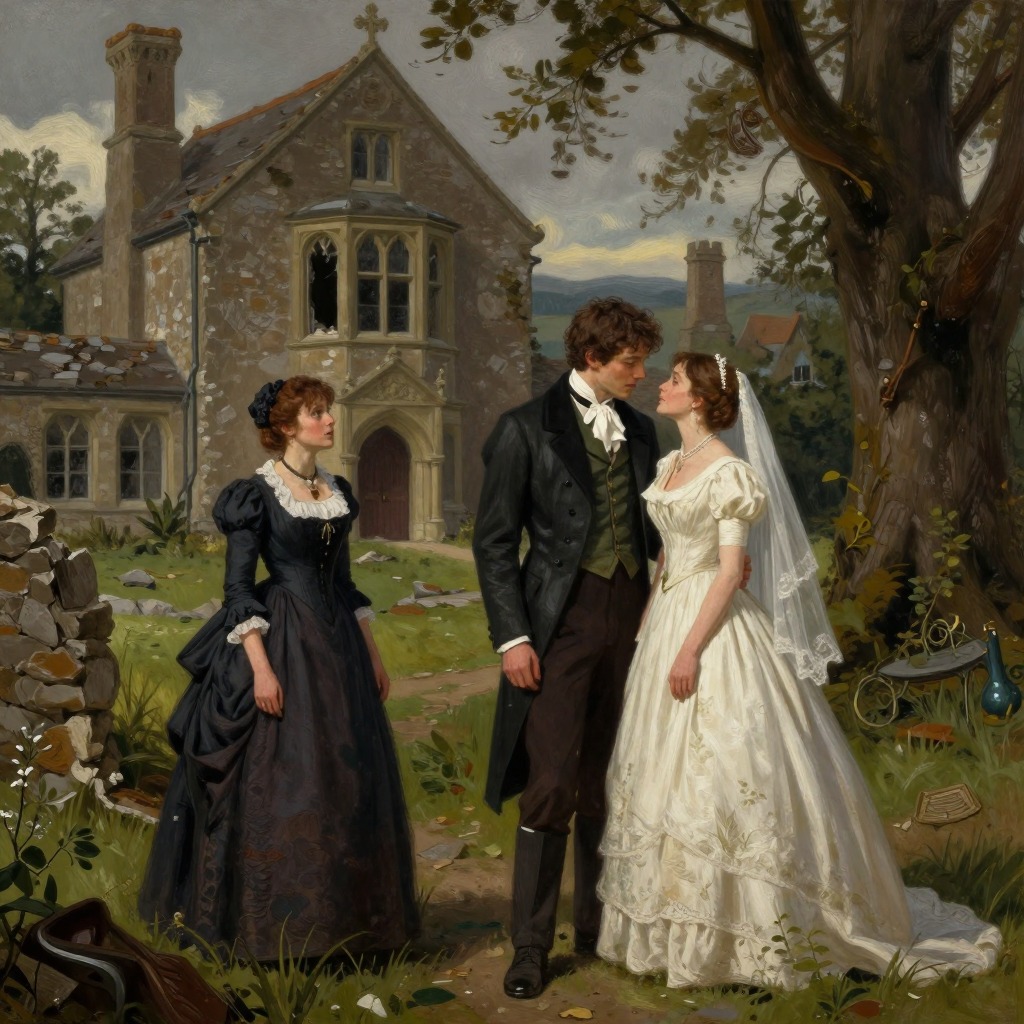
After Jane discovers her inheritance and insists on dividing it equally among the four cousins, Mary receives five thousand pounds, which gives her independence. She and Diana return to Moor House, where Mary is delighted with the renovations and decorations Jane has made to their rooms. She later marries a clergyman, a college friend of her brother's, who is worthy of the connection from his attainments and principles. Mary and her husband love each other, and she remains close to Jane and Diana, the families visiting each other alternately once every year. Mary's life, like her sister's, is one of quiet happiness and domestic fulfillment, a fitting conclusion for a character whose steady, gentle nature provided Jane with some of the first true sisterly affection she had ever known.