
The Final Moral Balance
Just DesertsThis flow gathers the novel’s recurring idea that actions produce consequences while distinguishing revenge from responsibility.
increasing Bearing strength in each event
 decreasing
Bearing strength in each eventdecreasingElizabeth’s Restraint
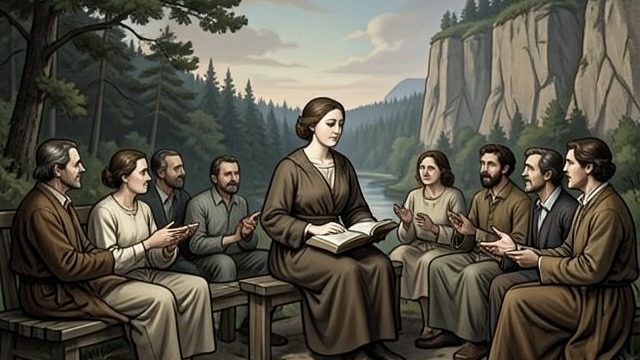
Anger Without Judgment
Moral Confusion
Elizabeth Bennet wrestles with scripture after learning that refuge residents sometimes seek vengeance. She sees that law and divine command do not resolve every lived injustice.
Chosen Humility
She decides not to judge survivors. Restraint becomes a moral achievement rather than passivity.
Caroline’s Consequences

Slander Repaid
Harm Inflicted
Caroline Bingley attempts to destroy Elizabeth’s reputation through lies. Her methods depend on the social rules she believes protect her.
Reversal
The same society withdraws from her when evidence and powerful witnesses turn against her. Her downfall embodies the principle that conduct returns upon the actor.
Lydia’s Reckoning

Fantasy Meets Reality
Repeated Warnings
Lydia Bennet ignores financial, moral, and physical warnings about officers and flirtation. Her family’s permissiveness magnifies the danger.
Life’s Cost
Her forced marriage to Cyrus Denny brings the poverty and isolation her sisters predicted. She does not learn fully, but consequences become unavoidable.
The Bennet Reckoning
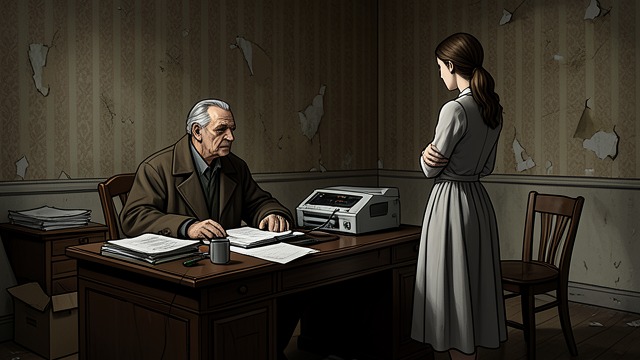
Neglect Returns
Parental Failure
Thomas Bennet’s indolence and Fanny Bennet’s cruelty drive Elizabeth away and leave the younger daughters exposed.
Permanent Result
They retain a household but lose their most capable daughter. Later estate decline and family estrangement make neglect’s cost visible.
A Better Inheritance
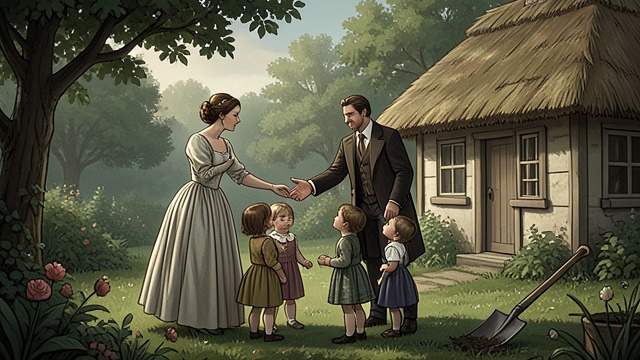
Responsibility Repaid
Generational Repair
Elizabeth and Darcy use their wealth to protect tenants, children, abused women, and disabled veterans. Their fortune is measured by what it enables.
Lasting Principle
The final moral balance is not simple revenge. It is the conversion of privilege into care, competence, and freedom for those who follow.
1811
March 1812
summer 1812
1812-1813
epilogue after 1813
