
The Wickham Threat
Just DesertsThis flow traces George Wickham’s predation, exposure, and violent end through the conflicting responses of Darcy and Elizabeth.
increasing Bearing strength in each event
 decreasing
Bearing strength in each eventdecreasingA Polished Lie
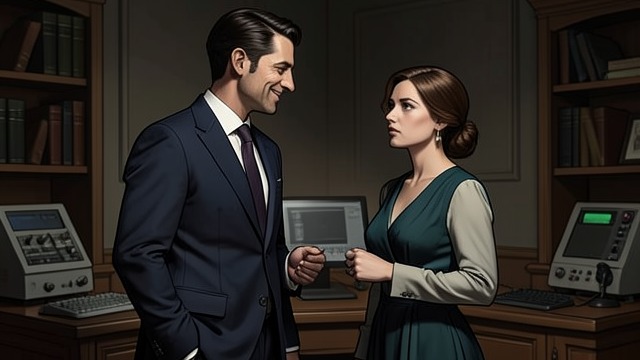
The Charming Officer
Immediate Appeal
George Wickham presents himself as a wronged gentleman. His charm confirms Elizabeth Bennet’s first prejudice against Fitzwilliam Darcy.
Instinctive Doubt
Elizabeth notices contradictions and rehearsed details. Her intelligence resists the emotional satisfaction of believing a story that flatters her anger.
Darcy’s Silence
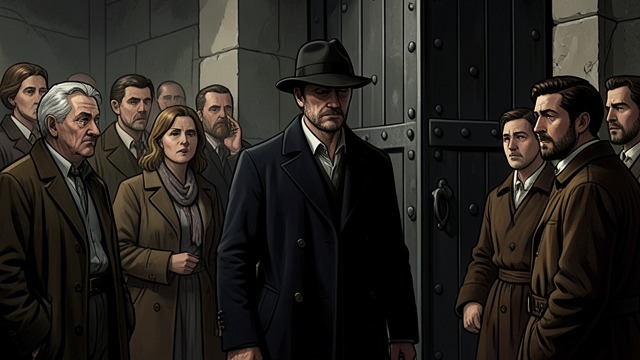
Private Evidence
Known Crimes
Darcy knows Wickham’s history of debt, deception, and seduction. Yet he refuses to warn Meryton’s merchants and women.
Ethical Failure
The secret protects Darcy’s family reputation but leaves others exposed. Elizabeth judges the silence more harshly than Wickham’s lies.
Elizabeth’s Warning
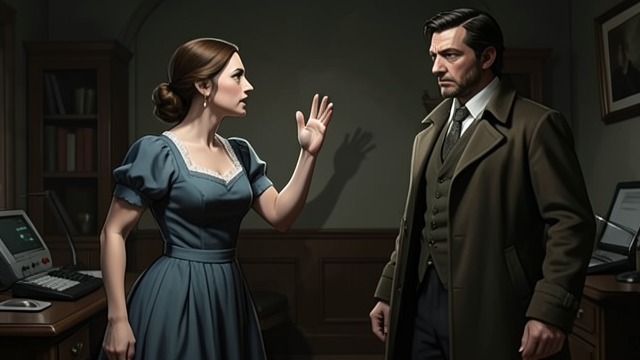
The Unanswered Challenge
Demand for Action
Elizabeth asks whom Darcy has informed and what protection he has provided. His admission that he told nobody makes the confrontation personal and moral.
A Lasting Wound
She calls him no gentleman and threatens to slap him. Darcy recognizes that her anger arises from injustice rather than mere dislike.
Death at the Weir
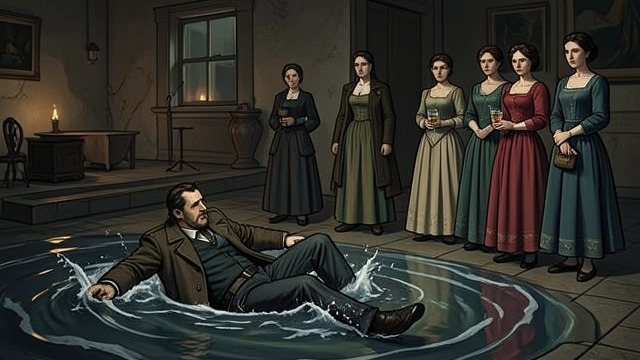
The Official Accident
Public Account
George Wickham is found drowned in the River Lea after drinking stolen brandy. The evidence supports an accidental fall.
Hidden Vengeance
The refuge’s women have arranged a more deliberate justice. His death ends his threat but leaves Elizabeth questioning law, faith, and private retribution.
Unspoken Judgment
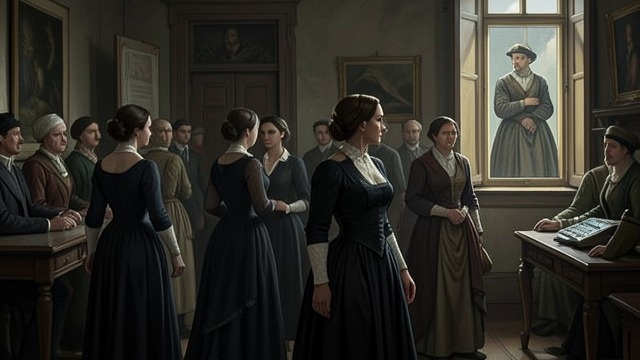
No Public Confession
Moral Ambiguity
Elizabeth suspects the Harkness sisters’ involvement but does not ask directly. She distinguishes understanding from approval and refuses to become another gossip.
Consequence
Wickham’s death closes the immediate danger, while Darcy’s earlier omission remains part of the moral debt he must repair.
autumn 1811
autumn 1811
autumn 1811
December 1811
early 1812
