
The Broken Bennet Home
Just DesertsThis flow traces the collapse of Elizabeth Bennet’s relationship with Fanny Bennet and Thomas Bennet as parental authority becomes neglect.
increasing Bearing strength in each event
 decreasing
Bearing strength in each eventdecreasingThe Favorite and the Target
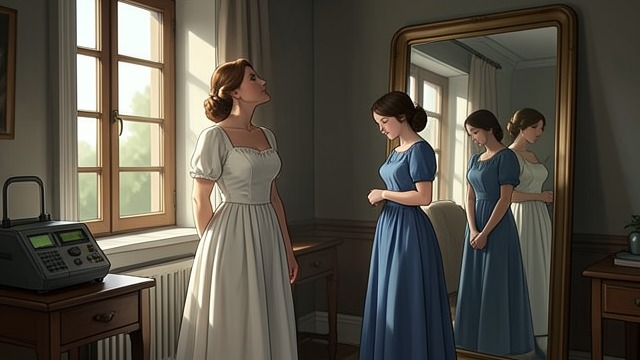
Unequal Affection
Jane’s Elevation
Fanny Bennet praises Jane Bennet’s beauty as the family’s salvation. Elizabeth, despite her own gifts, becomes the daughter associated with defiance.
Emotional Pattern
Repeated comparisons teach Elizabeth that maternal approval is conditional. Her father’s preference offers comfort but cannot repair the household’s structure.
The Indolent Father
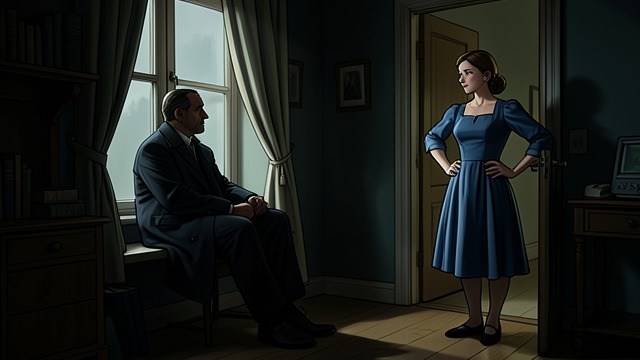
Sanctuary Without Protection
Books Before Duties
Thomas Bennet gives Elizabeth intellectual companionship, but increasingly retreats into books and port. He observes family conflict without governing it.
A Fractured Admiration
Elizabeth still loves him but loses respect. His wit becomes a method of escape rather than a form of responsibility.
The Collins Crisis

Marriage as Command
Maternal Pressure
Fanny Bennet demands that Elizabeth accept William Collins to preserve Longbourn. Her daughter’s happiness is subordinated to property and fear of the hedgerows.
Failed Authority
Thomas Bennet supports Elizabeth’s refusal but treats the crisis partly as entertainment. His intervention is too narrow to change the family system.
The Final Departure
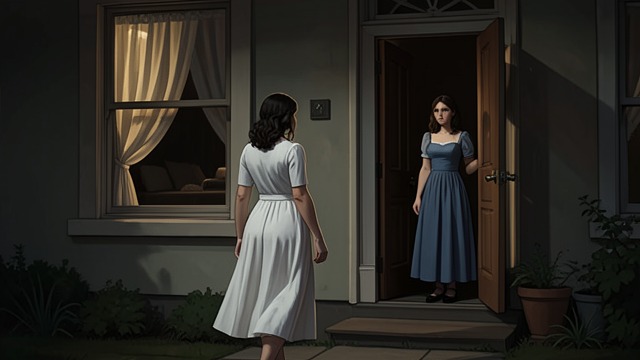
A Daughter Walks Away
Christmas Exposure
Fanny’s bitterness becomes explicit before the Gardiners. Elizabeth recognizes that daily verbal injury has become a form of domestic abuse.
Permanent Separation
Elizabeth leaves Longbourn after reaching adulthood. Thomas realizes too late that his passivity created the conditions for her departure.
Aftermath at Longbourn

The Empty Chair
Delayed Recognition
Thomas Bennet understands that Elizabeth will not return, but his remorse cannot produce renewed action. Longbourn’s management worsens without her hidden labor.
Persistent Damage
Fanny redirects her anxiety toward the remaining daughters. The family survives materially, yet the emotional breach becomes permanent.
Elizabeth’s childhood
1804-1811
autumn 1811
January 1812
1812-1813
