
The Gardiners’ Ascent
Just DesertsThis flow traces Edward Gardiner and Madeline Gardiner from prosperous trade into estate life without abandoning their identity or principles.
increasing Bearing strength in each event
 decreasing
Bearing strength in each eventdecreasingA Successful Business
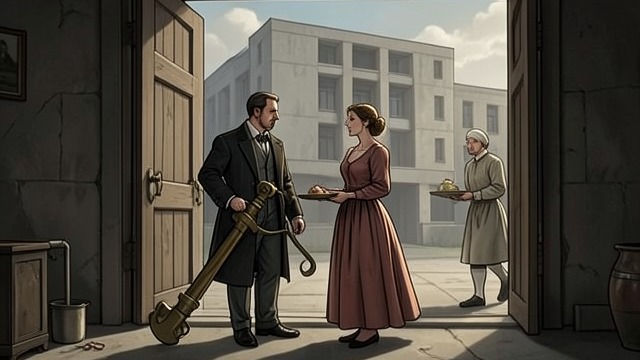
Trade as Foundation
London Enterprise
Edward Gardiner’s import-export business supports a comfortable household and a substantial family. His success challenges the assumption that trade is socially inferior.
Partnership
Madeline Gardiner assists with hosting and business life. Their home demonstrates that commercial achievement and gentility can coexist.
Learning from Elizabeth

New Knowledge
Estate Questions
Edward discovers that Elizabeth Bennet understands crops, rents, investments, and estate management better than many men he knows.
Changed Ambition
Rather than feel threatened, he treats her knowledge as an opportunity. Her education helps him imagine purchasing a country estate.
Moving to Grenadine Reef
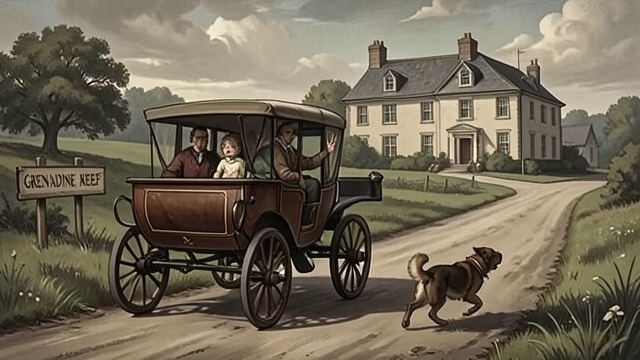
A Country Household
Practical Settlement
The Gardiners accept Elizabeth’s invitation to live at Grenadine Reef. Their children gain space, horses, and access to a wider education.
Mutual Protection
The move shields Elizabeth from fortune hunters and gives the estate a settled family presence. Residence becomes both affection and strategy.
Managing the Estate
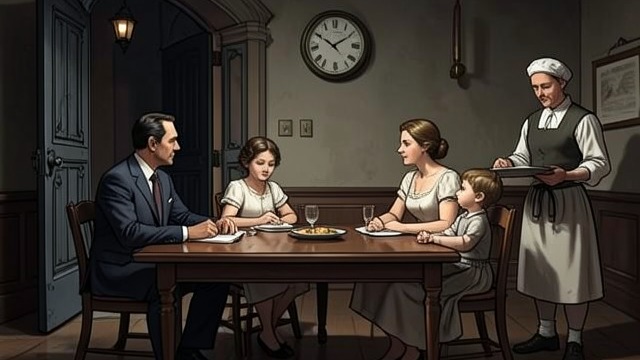
Shared Administration
Division of Labor
Edward works with business and estate matters while Madeline organizes the household and children. Elizabeth retains ultimate authority but does not micromanage them.
A New Model
The arrangement proves that family governance can be cooperative rather than hierarchical. Commercial and landed knowledge reinforce each other.
St Vincent Lodge
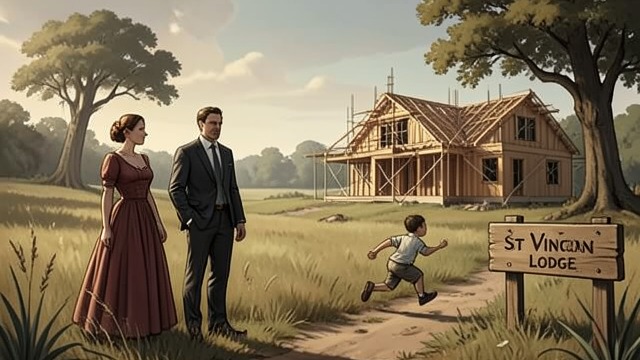
A Permanent Home
Future Residence
Elizabeth and Darcy build St Vincent Lodge on the former estate lands and plan it as the Gardiners’ eventual home.
Continuity
The Gardiners’ relocation is not a temporary favor. It becomes part of the family’s long-term geography and inheritance planning.
before 1812
early 1812
summer 1812
late 1812
epilogue after 1813
