Elizabeth Bennet marries Sir David Pentland
Just DesertsElizabeth Bennet marries Sir David Pentland in a hurried common-law ceremony shaped by affection, inheritance, illness, and the urgent need to secure her future. The marriage is not presented as a conventional romantic culmination: Sir David is dying, Elizabeth accepts the burden of becoming Mistress of Grenadine Reef, and the wedding binds personal sacrifice to the preservation of an estate and the people dependent upon it.
Causes and Background
The marriage grows out of the long relationship between Elizabeth Bennet and the Pentland household. Lady Radha Pentland had survived displacement, kidnapping, attempted enslavement, piracy, severe injury, forced religious seclusion, and repeated cultural dislocation before marrying Sir David Pentland. Born Radha Bhimani in Kutch, she was rescued off the Arabian Peninsula by a Spanish ship, forced into a nunnery outside Cadiz for six years, and later brought to Barbados, where Sir David nursed her back to health. He abandoned his naval career after Radha was shunned and condemned for surviving the violence inflicted upon her; they converted to the Church of Scotland and married before settling in Britain.
Sir David’s own fortune and title were likewise connected to danger and salvage. In 1770, as captain of HMS Glory, he recovered treasure from a Spanish treasure galleon wrecked on a reef near the Grenadine Islands during hurricane season. The exploit earned him a knighthood and provided the money with which the Pentlands purchased Grenadine Reef. The estate’s name therefore preserves a maritime origin: its wealth began in naval service, wreck, and imperial circulation, and later became the material foundation for household security, investment, and refuge.
By the time of the marriage, Sir David has terminal stomach cancer. He tells Elizabeth that the doctor doubts he will survive the year, that a growing lump is pressing in his stomach, and that he suffers a constant ache with occasional spikes of pain. He takes a diluted preparation of laudanum before retiring to help him sleep. The diagnosis converts an existing emotional bond into an immediate legal and moral crisis: there is no longer time for a gradual plan, and Elizabeth’s majority and escape from Mrs. Bennet make the securing of her independence urgent.
The Proposal and Settlement
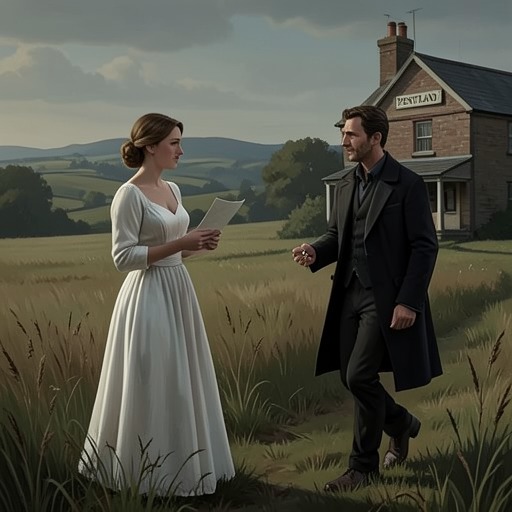
Sir David explains that Lady Radha may have begun imagining this future within a year of meeting Elizabeth. His earlier will left everything to his twin brother, but Radha’s death made his own mortality more pressing. After the events of the previous autumn, he began considering how to help Elizabeth, especially because she needed to reach legal adulthood and escape the control of Mrs. Bennet. Cancer then compressed every long-term possibility into weeks.
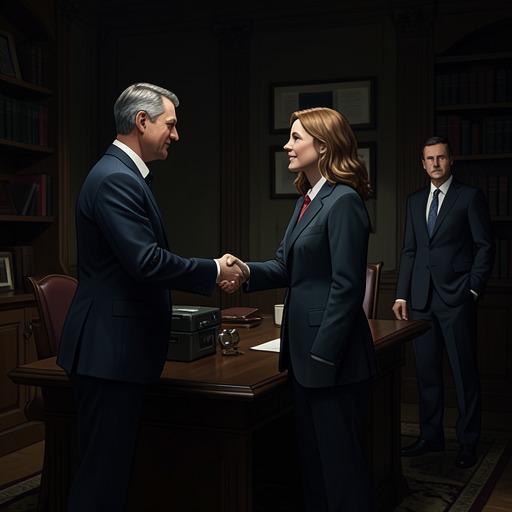
The proposed marriage is consequently both intimate and transactional, though the transaction is designed to protect Elizabeth rather than purchase her compliance. Sir David asks Elizabeth and Fitzwilliam Darcy to place their personal happiness on hold for a year. If they agree, his brother James Pentland will witness the new will, the marriage settlement, and the wedding. The arrangement creates an agonizing conflict for Darcy: he wants to support Elizabeth and recognize the generosity of Sir David’s plan, yet he also resents the intrusion into his relationship with her.
Elizabeth accepts without treating the proposal as a mere financial bargain. She tells Sir David that he has done her the greatest honour by entrusting the estate’s future to her hands and promises to maintain the legacy he and Lady Radha created. Her acceptance makes stewardship, rather than possession, the defining principle of the marriage. The settlement is prepared in a rush as Sir David rapidly weakens. The will and marriage settlement leave nearly everything, apart from specific bequests, to his widow; ordinary provisions for a widow’s treatment and for unmarried children are unnecessary because the arrangement is being made for Elizabeth alone. James Pentland, his named children, Sir David’s valet, and other long-serving servants receive specific bequests, while James’s agreement prevents a family challenge to the plan.
The Wedding
Elizabeth and Sir David marry six days after his proposal by common licence. The ceremony is physically marked by illness: Sir David must be carried into the church in a chair because he can no longer walk, and the journey between the carriage and the church is a trial that he bears stoically. His brother serves as groomsman. Edward Gardiner walks Elizabeth down the aisle, while her young cousin Lily acts as maid of honour.
The ceremony also reflects the Pentlands’ complicated religious history. Lady Radha had converted to the Church of Scotland when she married Sir David. After her death, Sir David sought counsel from a local vicar and converted three years before the wedding so that he could worship in the local church. Elizabeth therefore marries him under the rites of the Church of England, in a short and functional service performed by a vicar who is his friend. When the registry has been signed, Sir David gently kisses Elizabeth on the forehead.
The congregation makes the event larger than a private legal arrangement. The Gardiner family and Fitzwilliam Darcy attend, but so do many servants and tenants from the estate. The small church is unexpectedly full, and the gathering expresses approval of Elizabeth as the new Mistress of Grenadine Reef. The wedding breakfast is less a conventional bridal celebration than a tenant celebration, with genuine relief visible on many faces. The estate’s dependent community therefore participates in the ceremony as if its own future were being decided there.
Death and Immediate Aftermath
Sir David cannot remain at the breakfast for long. His face is etched with pain, and after taking a large dose of laudanum he retires to his room. Elizabeth escorts him there while holding his hand. He never leaves the bedroom alive. During Friday and Saturday she sits with him for long periods and reads aloud quietly, uncertain whether he remains lucid enough to know that she is present but determined to accompany the man she regards as exceptionally kind.
Elizabeth goes to bed late on Saturday night in her cottage and wakes the following morning a widow. The abruptness of the change gives the marriage its tragic shape: the wedding secures her legal position, but it scarcely provides a married life before bereavement begins. After services, the vicar, the local magistrate Sir Frederick, James Pentland, Fitzwilliam Darcy, and Edward Gardiner confirm Sir David’s identity and death. He is buried beside Lady Radha in the small chapel that holds her grave.
The days after the burial impose the practical meaning of Elizabeth’s new status. She returns quietly to the chapel to give thanks for Sir David and Lady Radha and to reflect on the tumultuous changes in her life. The reading of the recently completed will still strikes her with force, not because its contents surprise her but because it makes her responsibility unmistakable. She must now govern the estate and answer for the welfare of many people. James Pentland is kind but distant, and his willingness to accept Sir David’s plan rather than simply inherit or challenge it becomes the final act that allows the settlement to stand.
Significance
The marriage joins several forms of survival. Lady Radha’s history links India, the Arabian Peninsula, Spain, Barbados, piracy, forced religious life, and Britain; Sir David’s history links the Royal Navy, hurricane wreckage, Spanish treasure, knighthood, and landed wealth. Elizabeth inherits not an untouched English estate but a legacy made by displacement, violence, rescue, care, and reinvention.
It also turns marriage into partnership in an unusual and painful form. Sir David’s proposal is constrained by illness and inheritance, yet Elizabeth is not passive: she evaluates the responsibility, accepts it openly, and defines her role through the preservation of the Pentland legacy. The arrangement protects an adult woman from domestic dependence while transferring to her the unpaid emotional, managerial, and social labour of an estate. Her marriage is therefore both an instrument of legal independence and a demand that she assume the burdens of governance.
The wedding’s emotional value lies in its refusal to separate love from practical duty. Sir David’s care for Lady Radha had once rejected the social condemnation attached to her survival; his final plan extends that ethic to Elizabeth. In turn, Elizabeth’s acceptance honours both Pentlands by promising to preserve what they built. The marriage ends almost at once in death, but its consequence is durable: Elizabeth becomes the living custodian of Grenadine Reef, its servants, tenants, investments, and refuge, carrying forward a household founded by two people whom society repeatedly treated as outsiders.