
The Juvenile Cases as a Collective
Just MercyThis thread connects the lives of children condemned to adult punishment and the campaign that seeks to give them a future beyond prison.
increasing Bearing strength in each event
 decreasing
Bearing strength in each eventdecreasingChildren Sentenced as Adults
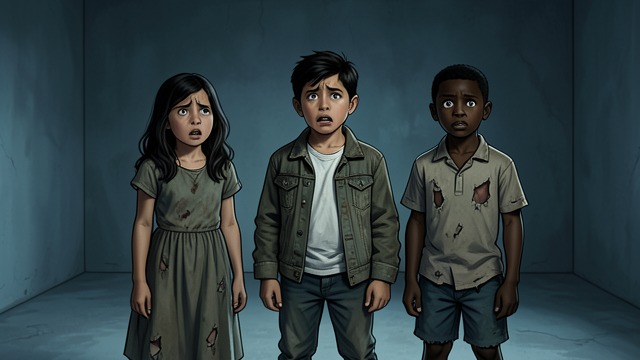
Childhood Meets Adult Punishment
Separate lives, shared pattern
Trina Garnett, Ian Manuel, and Antonio Nuñez face radically different circumstances but all receive extreme sentences as children.
A political climate
Fear of supposed juvenile super-predators helps expand adult prosecution and long prison terms, especially for Black and Latino children.
Life Inside Prison

Development Interrupted
Isolation and danger
Ian spends years in solitary confinement, while Trina and Antonio face the harms of adult institutions.
The consequence of a sentence
The punishment does not merely remove children from society. It subjects them to conditions that deepen trauma and obstruct development.
Unexpected Human Connections

Relationships Against Isolation
An apology becomes a bond
Ian calls Debbie Baigre to apologize for shooting her. She responds with correspondence and encouragement.
Hope from outside
Their connection complicates the assumption that accountability requires permanent exclusion. Debbie becomes one of the few people encouraging Ian to live toward a future.
A Legal Challenge

Sentences Reconsidered
A national strategy
Bryan’s team challenges life-without-parole sentences by emphasizing children’s immaturity, vulnerability, and capacity for change.
A difficult path
Victories at the Supreme Court do not automatically produce sensible sentences. State courts sometimes replace life terms with sentences nearly as long.
Release Becomes Possible
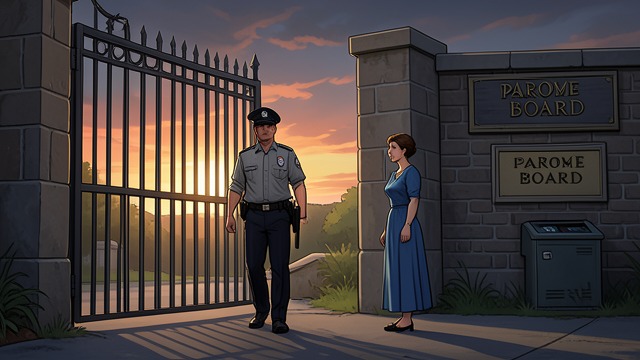
From Doctrine to Lives
Legal change
Supreme Court rulings create opportunities for resentencing and release for children sentenced to die in prison.
Different outcomes
Ian and Joe eventually leave prison; Trina becomes eligible for parole, while Antonio gains a reduced sentence and a possible route home.
Late 1980s through the 1990s
During their early years of imprisonment
During the years after their convictions
From 2008 onward
2010 through 2017
