
Joe Sullivan’s Long Road Home
Just MercyThis thread follows Joe Sullivan from a disputed childhood conviction through decades in prison to constitutional relief and release.
increasing Bearing strength in each event
 decreasing
Bearing strength in each eventdecreasingThe Arrest at Thirteen
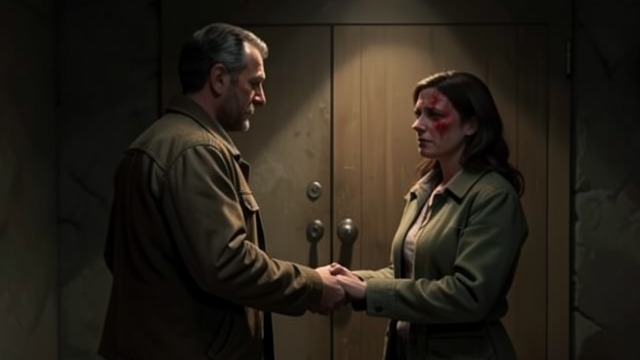
A Disputed Assault Case
Conflicting accounts
Joe admits participating in a burglary but denies the sexual assault of Lena Bruner. The prosecution relies heavily on accomplices’ claims.
Weak safeguards
The available physical evidence is not conclusively linked to the assault, and the defense receives little chance to test what the State collected.
An Adult Life Sentence
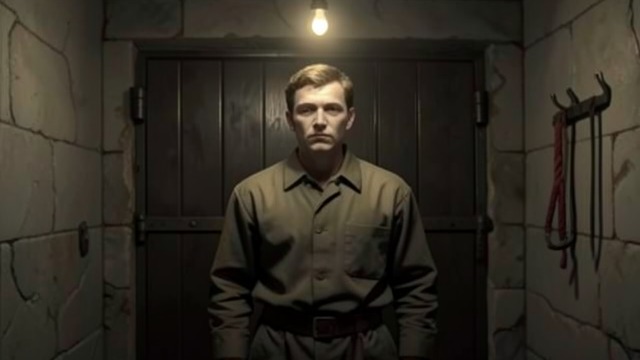
A Child Condemned
Trial defects
Joe’s trial lasts one day, and his appointed lawyer provides little effective advocacy.
Final punishment
The judge treats a thirteen-year-old as beyond rehabilitation and sentences him to life without parole for a non-homicide offense.
A Prisoner Still Seeking Contact
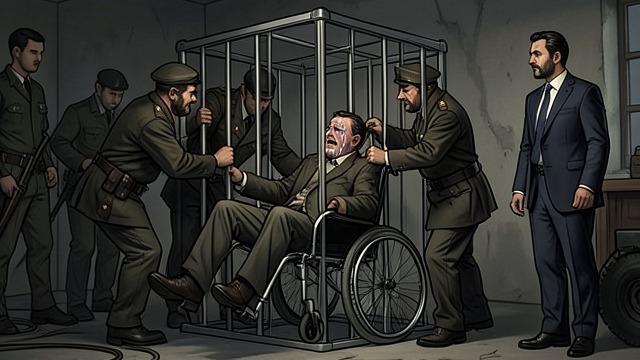
A Human Connection
A small cage
Joe’s wheelchair becomes trapped in a cramped prison cage, and he cries while officers struggle to free him.
Ordinary questions
During the legal visit he asks Bryan about favorite things, revealing a childlike eagerness for conversation despite decades of isolation.
The Supreme Court Case
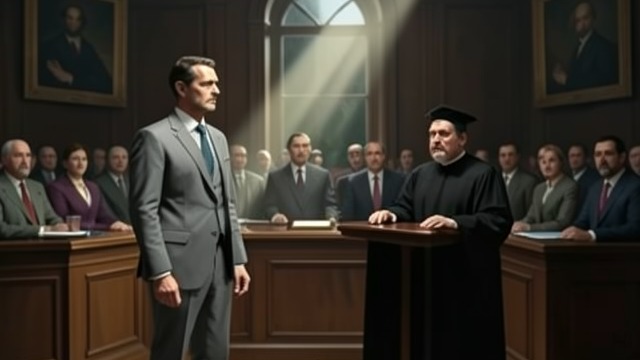
A Constitutional Challenge
The argument
Bryan asks the Supreme Court to recognize that life without parole is disproportionate for children convicted of non-homicide crimes.
A categorical ruling
The Court agrees. Joe’s sentence becomes unconstitutional, establishing a route to relief for others like him.
A Poem and a Release
A Future Outside
A fragile hope
Joe recites a poem about being a good person and laughs with Bryan when he forgets the ending.
Freedom at last
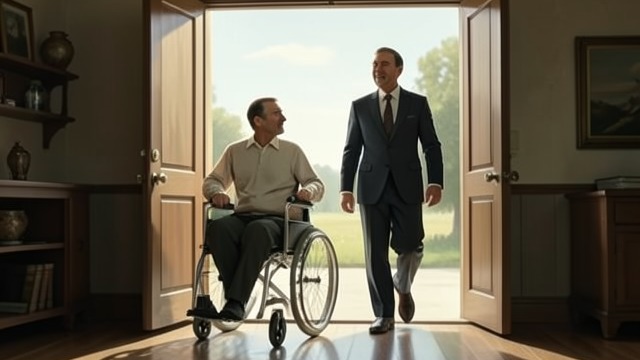
After further legal change, Joe leaves prison in his wheelchair and moves into supported housing. His release begins a difficult but real return to community.
May 1989
At Joe’s trial and sentencing
After Bryan begins visiting Joe
2009 and 2010
2017
