
A Community Learns from Mrs. Williams
Just MercyThis thread traces Mrs. Williams’s struggle to enter the hearing and how her return turns personal memory into a public act of witness.
increasing Bearing strength in each event
 decreasing
Bearing strength in each eventdecreasingThe Blocked Entrance
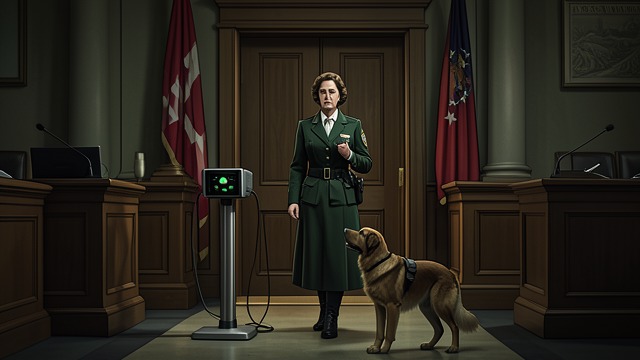
A Familiar Threat
Unequal access
Mrs. Williams and other Black supporters are initially told they cannot enter the courtroom.
A painful sight
A metal detector and a police dog stand at the entrance. Mrs. Williams freezes, unable to move forward.
A Memory of Selma
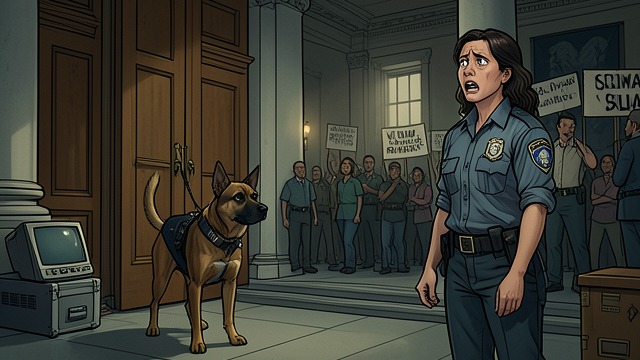
History in the Present
A civil-rights memory
Mrs. Williams explains that the dog recalls the violence she experienced during a voting-rights march in Selma.
No simple reproach
She wanted to enter but could not overcome the fear. Bryan recognizes that the exclusion has reopened a wound far older than the current hearing.
A Decision to Return
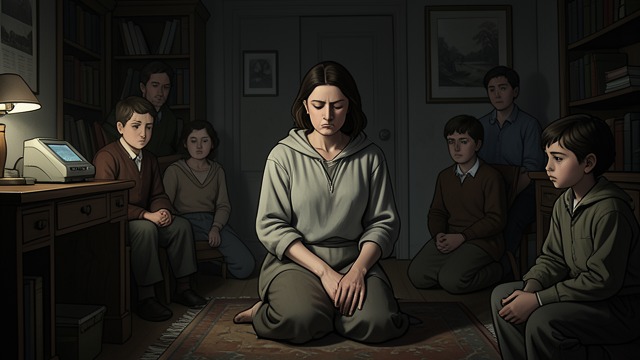
Refusing to Be Kept Away
A sleepless night
Mrs. Williams prays and tells her family she cannot let fear of the dog keep her out.
Choosing presence
Her decision is a personal struggle, but it also becomes an answer to the officials who made the courtroom feel unsafe for Walter’s supporters.
I’m Here
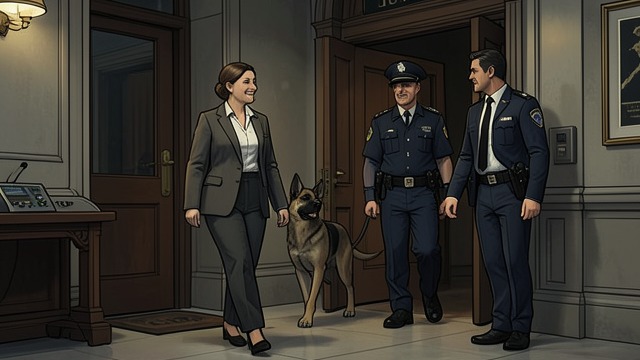
A Public Declaration
Passing the dog
Mrs. Williams walks through the entrance repeating that she is not afraid of the dog.
Claiming the courtroom
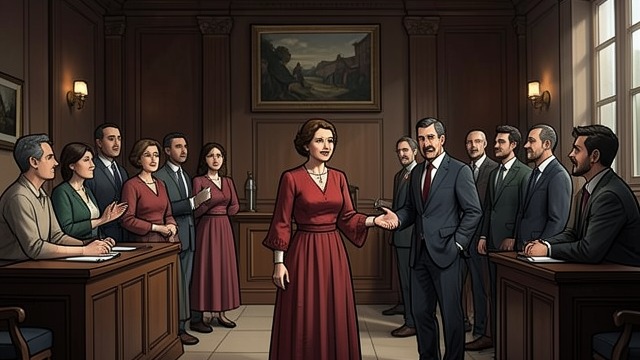
She enters, smiles at Bryan, and tells him she is here. Her presence asserts dignity and the right to witness.
A Witness to Relief
From Witness to Celebration
A changed courtroom
Mrs. Williams’s presence accompanies the evidence that undermines Walter’s conviction.
A shared homecoming
When Walter leaves prison, she greets him among the supporters. Her persistence links historical memory with a present act of justice.
The second day of the Rule 32 hearing
After Mrs. Williams leaves the courtroom
The night before the final hearing day
The final day of the hearing
After the hearing and at Walter’s release
