
Children, Change, and Culpability
Just MercyThis thread traces the book’s challenge to treating children as fully formed adults whose worst acts define their entire lives.
increasing Bearing strength in each event
 decreasing
Bearing strength in each eventdecreasingThe Adult-Court Expansion

Fear Recasts Children
A prediction of danger
The super-predator theory warns of remorseless young offenders and fuels policies that expand adult prosecution.
A false forecast
The predicted crime wave does not materialize, but the laws and sentences remain. Children bear the cost of political fear.
Lives Behind the Cases
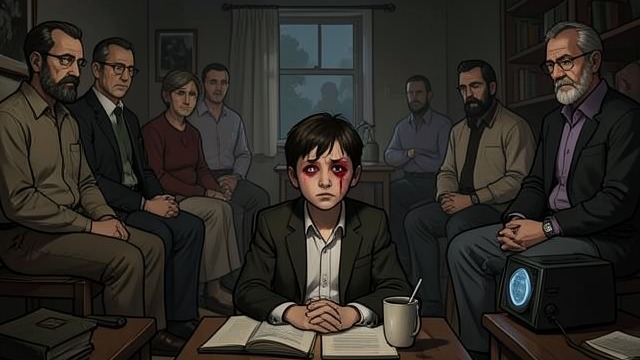
Childhoods Courts Ignore
Trauma and constraint
The histories of Trina Garnett, Ian Manuel, and Antonio Nuñez include abuse, instability, and violence.
Context, not excuse
Their histories do not erase harm. They help explain why children’s choices and culpability differ from those of adults.
Development Matters
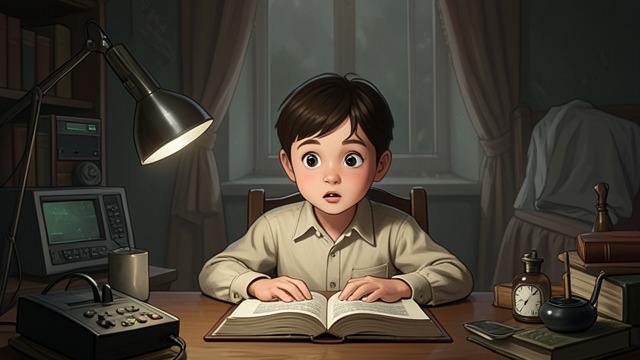
An Unfinished Brain
Evidence of immaturity
Bryan presents research on impulse control, risk, and adolescents’ limited capacity to imagine consequences.
A legal implication
Children are works in progress, vulnerable to influences they cannot control. Permanent sentences treat development as irrelevant when it is central to responsibility.
The Court Changes the Rule
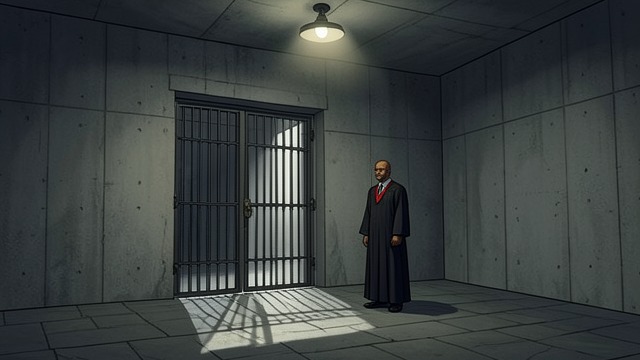
Sentences Reconsidered
Non-homicide cases
The Court bars life without parole for children convicted of non-homicide offenses.
Homicide cases
A later ruling bars mandatory life without parole for children convicted of homicide. The decisions recognize that a child’s future cannot be judged as if already complete.
Release Requires Support
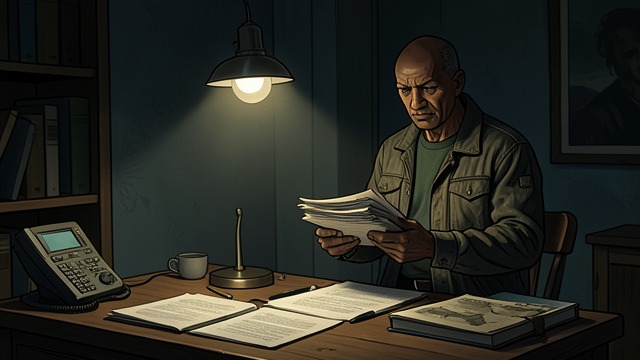
Beyond the Courtroom
Reentry challenges
People who spent decades in prison as children may have few relationships or practical supports outside.
A fuller obligation
Bryan’s organization develops housing, counseling, training, and other services. A legal right to release matters only if a person can build a life afterward.
Late 1980s and early 1990s
During Bryan’s work with juvenile clients
During litigation before the Supreme Court
2010 and 2012
After the Supreme Court rulings
