
History Beneath Modern Punishment
Just MercyThis thread traces the book’s argument that contemporary criminal justice is shaped by slavery, racial terror, Jim Crow, and mass incarceration.
increasing Bearing strength in each event
 decreasing
Bearing strength in each eventdecreasingFamily Memory
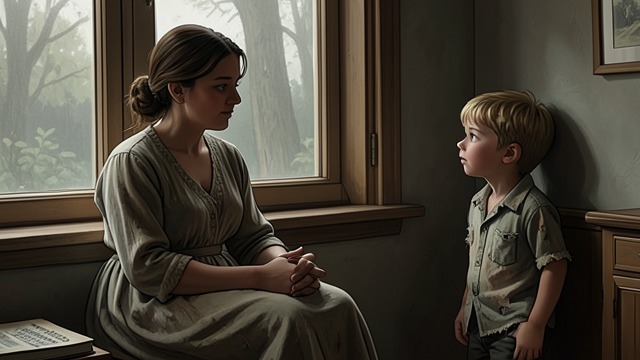
The Past at Home
Stories of enslavement
Bryan’s grandmother hears stories from her father, who was enslaved and secretly learned to read and write.
A living inheritance
The past shapes how the family understands race, safety, and the need to stay close. History is presented as lived memory rather than distant background.
Racial Terror in Monroe County
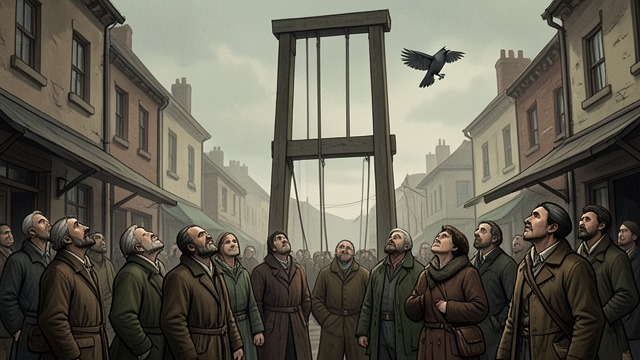
Violence as Social Control
Lynching remembered
Walter grows up hearing about lynchings, including the killing of Russell Charley, believed to be connected to interracial romance.
Fear persists
The violence terrorizes a community beyond its immediate victims, enforcing racial boundaries through the threat of future harm.
Jim Crow’s Afterlife
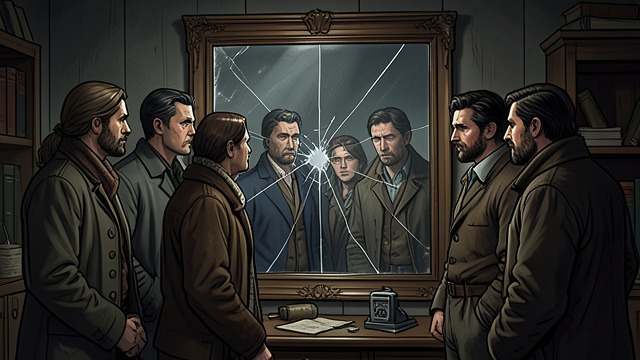
Legal Hierarchy and Resistance
Rights restricted
Racial segregation, voter suppression, and anti-miscegenation laws sustain white supremacy after Reconstruction.
Symbols endure
Confederate imagery resurges in periods of Black progress, showing how historical symbols can communicate resistance to equality.
The Criminal System Inherits the Pattern
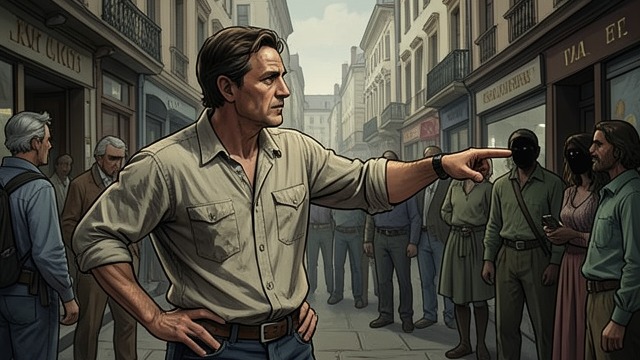
Racialized Punishment
Unequal exposure
Drug enforcement, severe sentencing, and incarceration disproportionately burden poor communities of color.
A historical lens
Bryan argues that mass incarceration cannot be understood apart from earlier systems of racial control. The form changes while exclusion and unequal power persist.
Truth and Public Memory
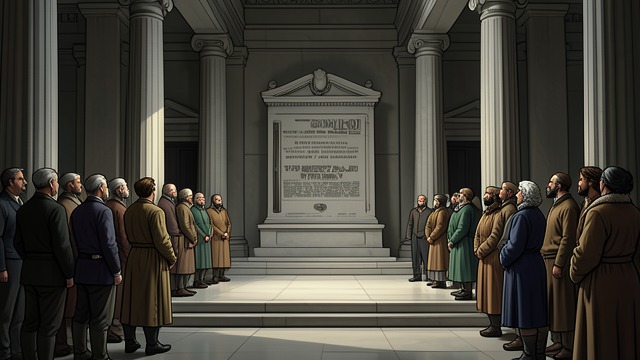
Making History Visible
A public institution
The Legacy Museum and National Memorial for Peace and Justice open in Montgomery.
Connecting past and present
The sites place enslavement and racial terror alongside mass incarceration, inviting visitors to confront continuity rather than celebrate progress alone.
Bryan’s childhood and early adulthood
From the late nineteenth century through Walter’s youth
From Reconstruction through the Civil Rights Era
From the 1970s through the book’s present
2018
