
Capital Punishment Under Scrutiny
Just MercyThis thread traces the book’s growing challenge to executions through individual cases, execution procedures, and shifting public debate.
increasing Bearing strength in each event
 decreasing
Bearing strength in each eventdecreasingA Harsh New Era
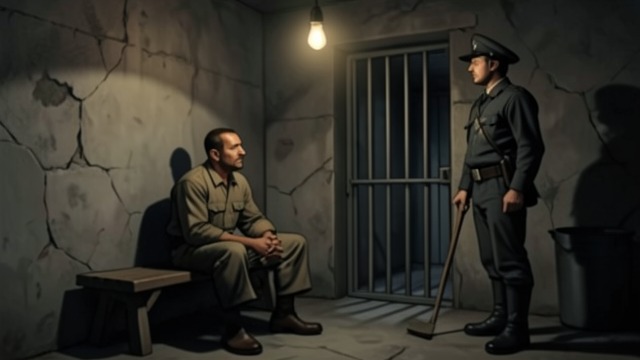
Death Row Reopens
Rising executions
Executions resume across the South while many condemned prisoners lack lawyers and meaningful review.
A defining encounter
Bryan’s first visit to Henry shows him that capital punishment is not an abstraction to the people facing it. Their humanity changes how he understands the law.
Three Alabama Executions
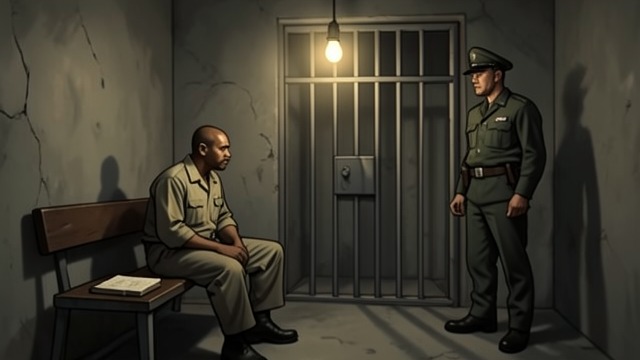
The Cost of Finality
Cases in crisis
Bryan tries to help Michael Lindsey, Horace Dunkins, and Herbert Richardson as their execution dates approach.
Irreversible outcomes
Lindsey and Dunkins are executed; Richardson is executed after unsuccessful last-minute appeals. The cases expose how little time and legal help the condemned receive.
A Method of Execution
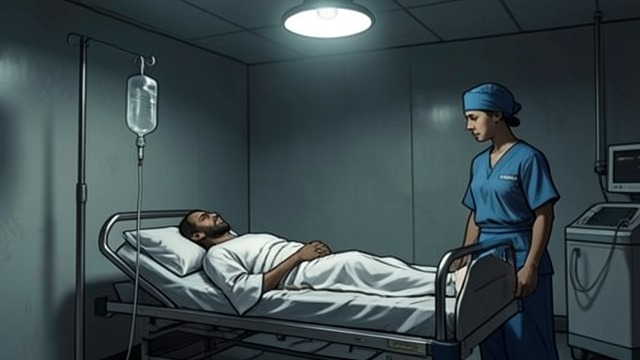
Challenging Lethal Injection
A procedural danger
David Nelson faces a proposed incision to locate a vein after ordinary IV access fails.
A legal opening
Bryan argues that condemned people may use civil-rights litigation to challenge execution methods. The Supreme Court agrees to hear such claims, though Nelson later dies naturally.
Executions Continue
A Heavy Caseload
Repeated emergencies
Alabama’s execution schedule forces Bryan’s exhausted team to take cases with little time to investigate.
Limits of legal rescue
Jimmy Dill’s intellectual disability and poor representation do not persuade courts to grant a hearing. His execution exposes the force of procedural barriers.
A Public Question
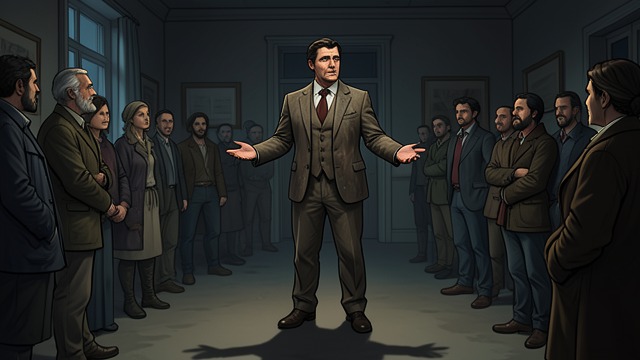
Who Has the Right to Kill?
A lesson in error
Bryan reflects on how easily an innocent man was condemned and how difficult it was to free him.
A challenge to society
He asks whether the country deserves to kill in the name of justice. The question shifts attention from a defendant’s deserts to the community’s responsibility.
1983
1989
2004
2009
At Walter McMillian’s funeral in 2013
