Selma voting-rights march at Edmund Pettus Bridge
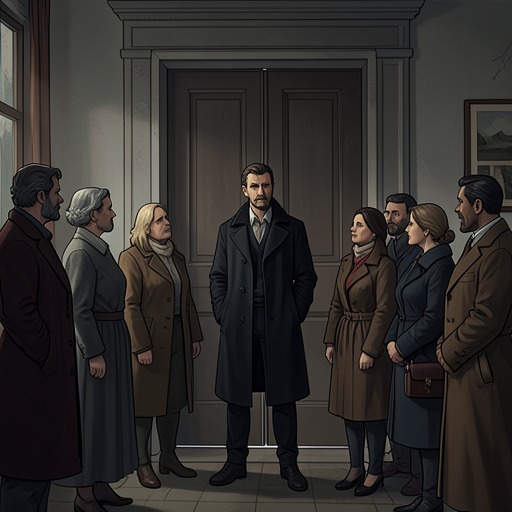
Just MercyThe Selma voting-rights march at Edmund Pettus Bridge enters the narrative through Mrs. Williams’s recollection of the 1965 effort to march for voting rights. She remembers the marchers being beaten and having dogs set on them; years later, the sight of a dog in a courthouse brought that violence back with such force that she could not move. The remembered attack gives the scene its significance: political violence remains present not only in public history but in the movements and silences of those who lived through it.
The March and the Attack
In 1965, Mrs. Williams joined others gathered at Edmund Pettus Bridge to march for voting rights. Her account gives no further details about the march’s route or its organizers, but it is unequivocal about what happened to the marchers: they were beaten, and dogs were turned on them. The memory binds the demand for political participation to the force used to suppress it.
A Memory Reopened
Mrs. Williams recounts the march while explaining why she could not attend a courtroom proceeding. She had wanted to be there, but when she saw a dog, she thought of the violence at the bridge and found herself unable to move. Her hesitation was not indifference or withdrawal from the case; it was the immediate return of a past assault in the present.
The Event’s Place in the Narrative
The march appears as remembered experience rather than as a separately narrated public event. Bryan Stevenson listens as Mrs. Williams explains her absence, and her account shifts the meaning of the courthouse scene: the dog is not merely part of the immediate surroundings but the trigger for a memory of state-backed violence against people seeking voting rights. When Mrs. Williams lets go of Stevenson’s hand and walks away, the recollection remains unresolved, showing how an old act of repression can continue to shape what a witness is able to do years later.