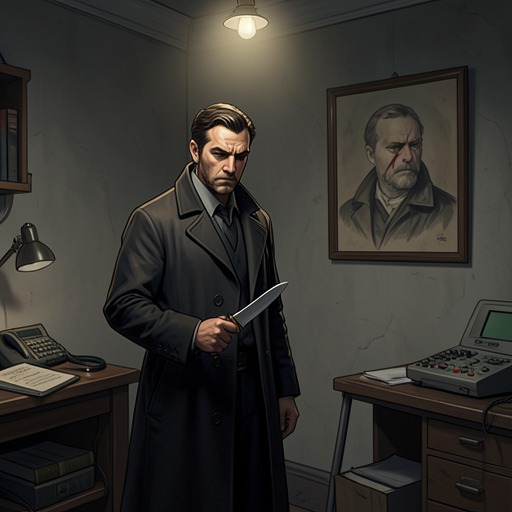
Wade Larue, Boston Garden gunman
Just One LookWade Larue, Boston Garden gunman, is identified as the person whose shots triggered the Boston Garden stampede, a disaster that killed eighteen people and injured dozens. His responsibility was legally contested, but the account of his prosecution, imprisonment, and renewed parole bid shows how the consequences of that night extended beyond the courtroom: survivors and bereaved families continued to live with its memory, while Grace Lawson resisted turning her own survival into a demand for vengeance.
The Stampede and Its Aftermath
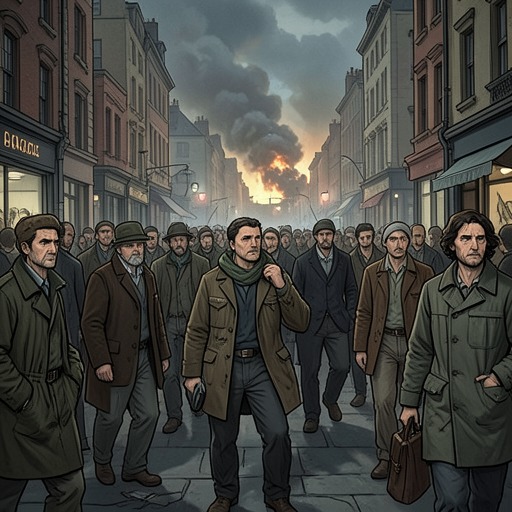
The stampede was blamed on Larue, who was serving his sentence at Walden Prison outside Albany, New York. His defense offered several competing arguments: that he had not fired the shots despite the evidence against him; that, if he had fired, he had been too intoxicated to remember doing so; and that he could not have foreseen that firing a gun would cause deaths. The prosecution pursued eighteen counts of murder, but the jury instead accepted a deal negotiated by Larue’s lawyer, resulting in eighteen manslaughter counts.
The disagreement over the charges did not reduce the human consequences described in the account. Carl Vespa had lost his only son in the stampede, and many expected that Larue would face retaliation outside the formal justice system. For a time, Larue was kept apart from the prison’s general population. Later, rumors circulated that fellow inmates had abused him, but he survived. Vespa ultimately chose not to arrange a hit. The account leaves the meaning of that decision unresolved: it might have been mercy, or it might have expressed something less forgiving. Larue’s survival therefore did not settle the question of justice for those who continued to bear the loss.
Grace Lawson’s Distance and Testimony
At the fifteenth anniversary of the Boston Garden disaster, Grace Lawson remained apart from the commemorations that many survivors and bereaved families joined to keep the event in public memory. Although the press published anniversary profiles, she declined to make her injury or survival a public story. Her art career was flourishing, and she did not want attention to appear to profit from the tragedy; she believed remembrance should center on the dead and those they had left behind. The pressure of being treated as a bearer of other people’s grief had also contributed to her decision to go overseas.
Grace had seen Wade Larue only once, when she was called to testify at his trial. Her testimony could not establish who fired the shots: she remembered almost nothing of the stampede, much less the gunman. Its purpose, as she understood it, was instead to intensify the jury’s emotional response. That distinction placed her in the case as a survivor whose presence carried weight even when her memory could not supply evidence about guilt. She did not seek revenge against Larue, whom she regarded as a person deserving pity rather than hatred.
Years later, Carl Vespa told Grace that Larue had stopped claiming complete innocence and acknowledged firing his gun, while attributing his actions to panic when the lights went out. The admission altered the account of Larue’s position without erasing the limits Grace had already recognized: she had no recollection that could identify the shooter, and her judgment of him remained distinct from the question of legal responsibility. When she asked whether he might be released, Vespa said Larue had a new, capable lawyer. The renewed parole prospect brought the unresolved case back into their conversation, but not into a demand for vengeance from Grace.
Evidence and the Limits of the Verdict
The case against Wade Larue, Boston Garden gunman, rested on converging evidence: gunshot residue was found on his hands, the weapon belonged to him, the fatal bullets matched that weapon, and witnesses said they had seen him fire. His defense nevertheless disputed responsibility on several grounds, including that he had not fired at all. Years later, his admission that he had fired narrowed that dispute, while his explanation that he panicked when the lights went out left the meaning of the act unsettled. The record thus distinguishes what could be established about the shots from what Grace Lawson could remember: she had almost no memory of the stampede and could not identify the shooter.
Narrative Significance
Wade Larue’s place in the account is defined by the gap between a public explanation and a survivor’s limited memory. The evidence against him, the manslaughter verdict, and his later acknowledgment that he fired establish successive versions of the case, but none turns Grace Lawson’s fragmentary recollection into eyewitness identification. Her refusal to hate him keeps the aftermath from resolving into a simple contest between guilt and vengeance: the legal record advances, while the loss and uncertainty remain. Larue’s renewed parole bid brings that unresolved past back into view without making it disappear.