Marriage
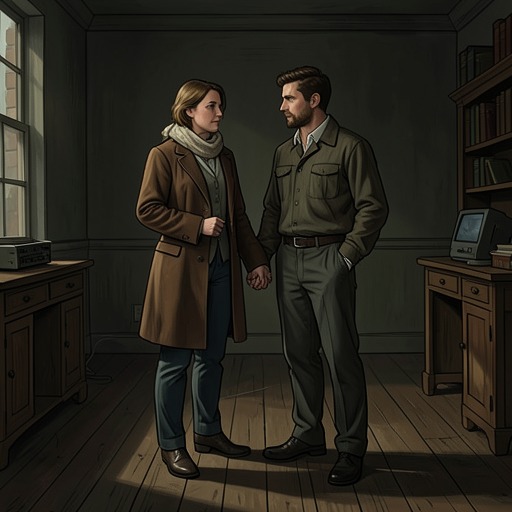
Just One NightMarriage in Just One Night is a promised future rather than a completed event: the novel closes with Bradford Taylor inviting Geneva Bryce to marry him, but does not depict a wedding. Its significance lies in the speed and force of the change in their terms. A pact intended to contain their involvement gives way to repeated intimacy, four months of practically living together, and a proposal that turns their private relationship toward public and familial recognition.
From a Limited Pact
The relationship begins under deliberately constrained terms. When Bradford learns that Geneva is not involved with his brother, Wilson, he asks for one night and nothing more. Geneva accepts the limit in kind, naming it a single night together. The agreement gives their encounter an apparent endpoint: desire can be acted upon without promising a continuing relationship.
That limit is complicated almost immediately by Geneva’s decision to leave before Bradford wakes. At five-thirty, her usual internal clock wakes her after less than an hour of sleep, and she is determined to get away before he does. She regards the night as over and considers it worth the exhaustion, but the need to leave shows how seriously she treats the boundary they set. The later marriage proposal overturns that early effort to make the encounter self-contained.
Repetition Changes the Terms
The first night does not settle their attraction. The following Saturday continues to affect Geneva through the week, leaving her tired and restless in the mornings. Although she spends three nights using a vibrator, the physical relief does not end her fantasies about Bradford. The story thus distinguishes temporary release from the persistence of attachment: the original arrangement is over, but its emotional and erotic effects continue.
When they meet again at Geneva’s research laboratory, they try to make the renewed attraction sound manageable. Geneva agrees that a few more nights together might get them out of each other’s systems; Bradford agrees and asks whether they should begin that night. He then proposes that they get the encounters out of the way quickly so they can return to their day jobs. Their plan still treats repetition as a short-term remedy, not as a decision to build a life together.
The contrast between that proposed schedule and what follows is decisive. Four months later, Geneva points out that they have been practically living together, while Wilson and Jessie have not noticed. Their relationship has acquired the daily continuity the initial pact excluded, even before either of them announces a change in status. The comic surprise that their families have not recognized this shared life also makes the gap between private reality and public acknowledgment part of the proposal’s context.
Proposal and Public Recognition
Bradford’s response is to suggest that they invite Wilson and Jessie to the wedding. Geneva’s startled question registers that marriage has not been part of their stated plan; his answer turns their unspoken domestic arrangement into a proposed future. She accepts the direction of that change, leaning against him as he draws her close, and says she wants much more than a single night.
The wedding therefore functions as a commitment and a social announcement, not as an event shown in the story. Inviting Wilson and Jessie would bring the relationship before the people closest to them, including the brother and sister whose earlier connection helped bring Geneva and Bradford together. The ending presents marriage as the next step in a bond already sustained over months, rather than as the beginning of their intimacy.
Meaning of the Status
The novel builds its marriage ending through a series of increasingly expansive time frames: one night, a few more nights, and finally four months of practically living together. Each attempt to keep the relationship temporary becomes less adequate to the evidence of its continuation. The shift is conveyed not through a formal discussion of domestic arrangements but through the contrast between Bradford’s early limit and Geneva’s late recognition of how long they have already shared a life.
Because the text ends with a proposal and an invitation to a future wedding, it supports the existence of a marriage intention, not the claim that Geneva and Bradford marry on the page. That distinction preserves the ending’s actual emphasis: the couple moves beyond the terms of their original pact and openly chooses a lasting future, while the wedding itself remains ahead of them.