
From the Proem to the Final Song
KalevalaThis flow traces the singer’s stated inheritance of folk knowledge from remembered childhood through performance and transmission to future generations.
increasing Bearing strength in each event
 decreasing
Bearing strength in each eventdecreasingA Singer Takes Up the Song
A Singer Takes Up the Song
An inherited calling
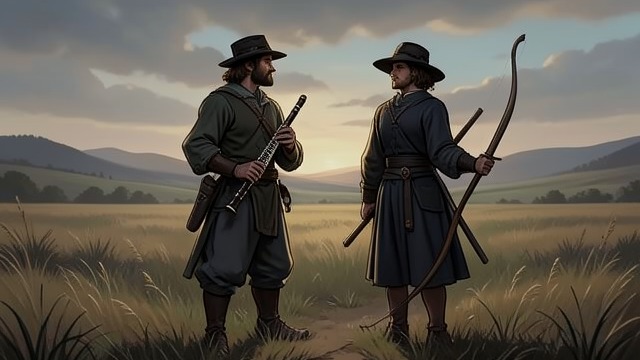
The speaker describes an inward urge to sing the old tales and invites a childhood companion to join. The poem begins as a shared act rather than a solitary declaration.
Memory becomes performance
Songs come from parents, work, landscapes, birds, weather, and remembered heroes. The opening makes the singer a custodian of knowledge gathered across a life.
The Landscape Teaches
The Landscape Teaches
Many sources of knowledge
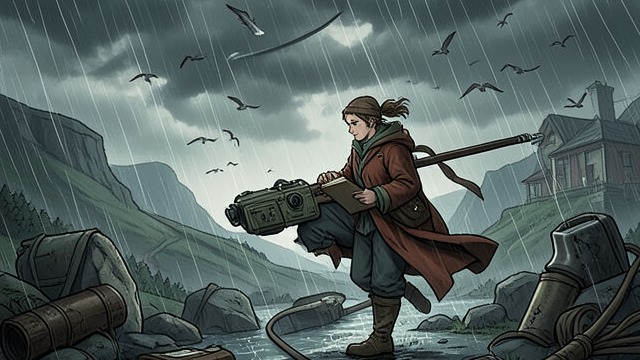
Cold, rain, wind, water, and birds are described as teachers of songs. The natural world is not scenery alone; it supplies language and rhythm.
A culture carried by voices
The speaker gathers sayings and preserves them for later performance. The poem links local experience to a national memory held in spoken art.
Heroes Become Shared Stories
Heroes Become Shared Stories
Song gathers different lives
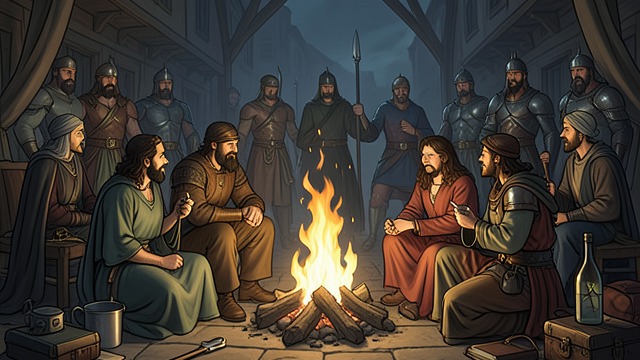
The Proem names Wainamoinen, Ilmarinen, Lemminkainen, and Youkahainen as sources of legendary material. Their separate adventures become parts of a single sung inheritance.
Story creates belonging
The singer addresses listeners who may not remember all the old tales. The act of retelling makes past heroes part of a present community.
The Epic Leaves an Opening
The Epic Leaves an Opening
The singer ends deliberately
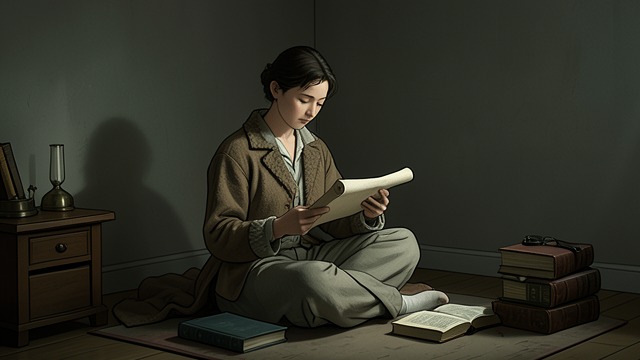
The speaker says that no singer should use every song or tell every saying. Silence can preserve what an exhausted voice should not force into performance.
The work passes onward
The closing hope is that better singers will carry the songs to future generations. The epic presents itself as a link in a living chain of cultural memory, not a final possession.
At the opening of the Proem
During the singer’s recollection of gathering songs
When the singer names the sources of the old songs
At the end of the Epilogue
