
Craft, Labor, and the Limits of Making
KalevalaThis flow traces the epic’s portrayal of making as a discipline shaped by materials, repeated labor, collaboration, and failures that cannot be solved by desire alone.
increasing Bearing strength in each event
 decreasing
Bearing strength in each eventdecreasingThe First Barley Requires Many Hands
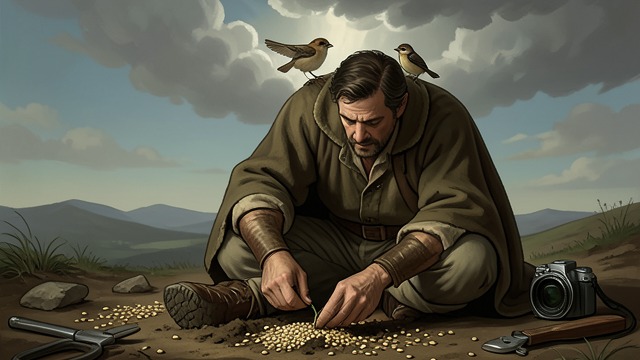
The First Barley Requires Many Hands
Work prepares the ground
Wainamoinen clears land, preserves a birch for birds, and sows barley. He also calls on Ukko for rain and the earth for fertility.
Craft remains cooperative
The crop follows human effort but also depends on weather and living soil. The episode establishes labor as necessary without pretending it controls every condition.
Ilmarinen Builds the Forge
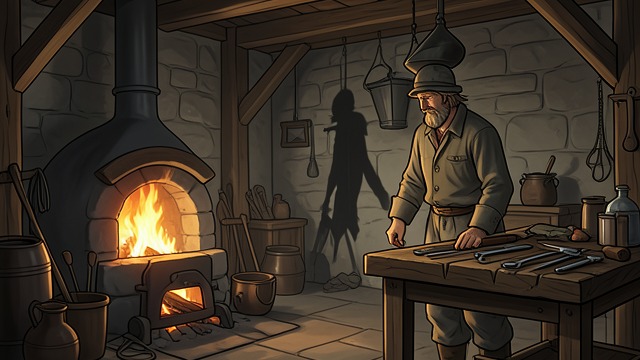
Ilmarinen Builds the Forge
Tools must be made before the wonder
Ilmarinen searches for a place to build a smithy and constructs furnace, chimney, bellows, and working space. His extraordinary commission begins with practical preparation.
Skill is embodied labor
The Sampo does not appear through a wish. It emerges through days of tending fire, handling material, and sustaining the work of others.
Failed Objects Return to Fire
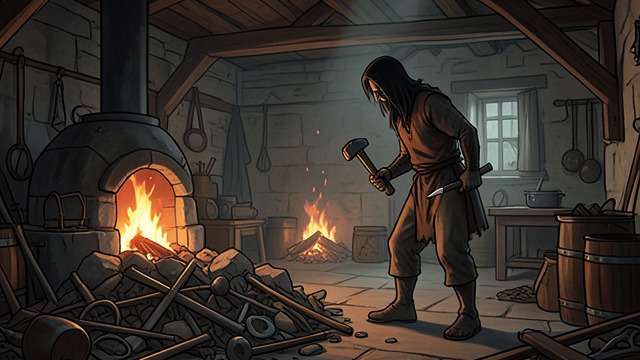
Failed Objects Return to Fire
A creator judges his work
Ilmarinen produces several beautiful but harmful objects and breaks them apart. He refuses to accept a result simply because it looks impressive.
Failure serves discernment
The furnace becomes a place not only of creation but of rejection. The smith’s judgment is as important as his ability to make new forms.
The Golden Bride Remains Inert
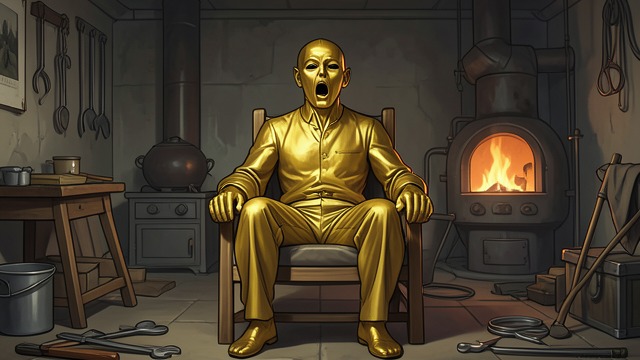
The Golden Bride Remains Inert
Technical mastery reaches its limit
Ilmarinen forms a perfect-looking bride from gold and silver, then gives her eyes, ears, mouth, hands, and feet. The figure still cannot respond or move.
Human life cannot be replicated
The failure distinguishes a made object from a living companion. The blacksmith can shape bodies, but cannot manufacture shared feeling.
Two Harps Follow Two Losses
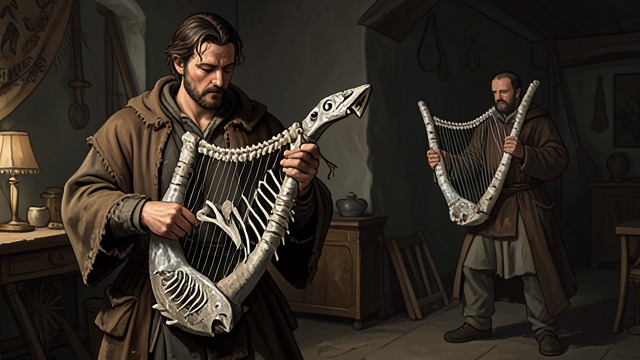
Two Harps Follow Two Losses
Different making answers different needs
Wainamoinen first makes a harp from fish bones, then a second from birch after the first disappears. Each instrument emerges from what remains available.
Creation as adaptation
The replacement does not restore the lost object exactly, but it restores the possibility of music. Craft answers grief by making a future rather than reproducing the past.
After the land has been planted with trees
After arriving at Pohyola to make the Sampo
During the early attempts to forge the Sampo
After Ilmarinen has grieved for his wife
After Wainamoinen’s first harp is lost at sea
