
The Social Meaning of the Underworld
KalevalaThis flow traces the dead as a parallel world with rules that guide the living, especially when grief, danger, or forbidden knowledge draws heroes toward it.
increasing Bearing strength in each event
 decreasing
Bearing strength in each eventdecreasingTuonela Mirrors the Living World
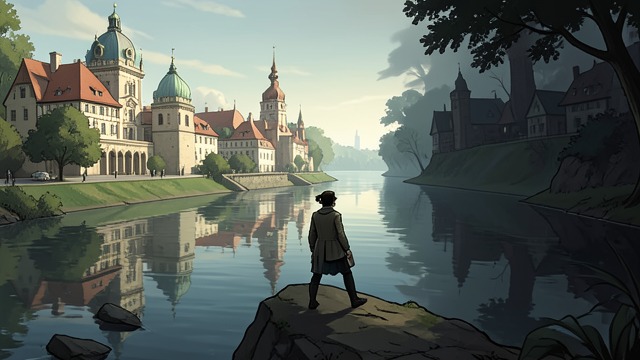
Tuonela Mirrors the Living World
An underworld with its own order
Tuonela has rivers, hosts, rulers, food, and dwellings. It resembles the living world while reversing its safety and hospitality.
A boundary of no easy return
A living traveler can enter, but the visit risks entrapment. The similarity between worlds makes crossing more tempting and more dangerous.
The Living Are Warned Away
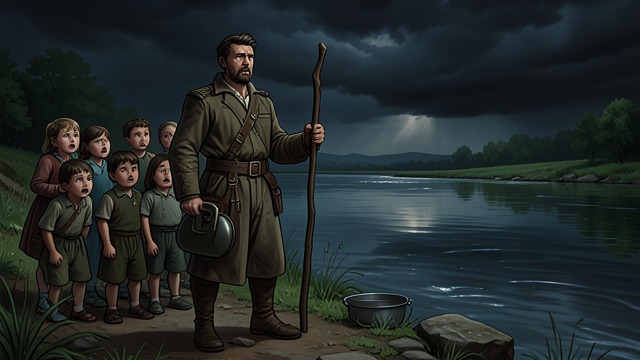
The Living Are Warned Away
Experience becomes instruction
Wainamoinen warns the young not to cross the River of Tuoni while alive. He describes the punishments that await those who do wrong.
A boundary protects the community
The warning turns an adventure into a rule for future listeners. The hero’s survival does not make the underworld safe or acceptable to approach casually.
The Dead Cannot Heal the Wound
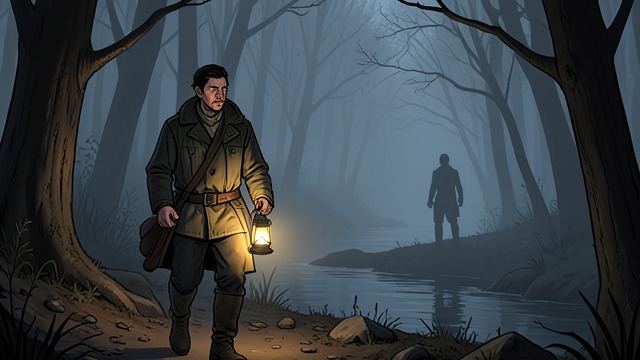
The Dead Cannot Heal the Wound
Knowledge refused
Wainamoinen visits Tuonela seeking words but learns that the dead will not provide what he wants. Their realm cannot simply be used as a storehouse for the living.
Another route is required
He must find Wipunen rather than depend on Tuoni. The failure reinforces that different kinds of knowledge belong to different sources.
A Mother Enters the Death River
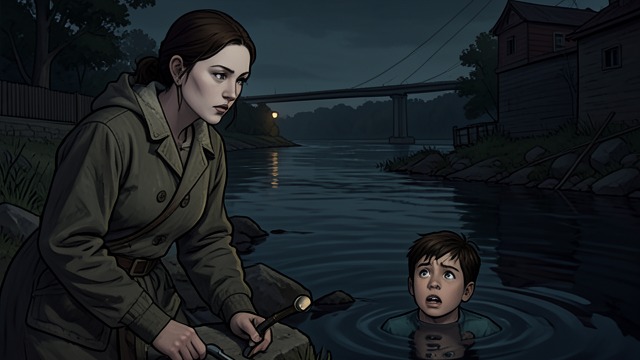
A Mother Enters the Death River
Grief crosses the forbidden line
Lemminkainen’s mother enters the River of Tuoni and searches its depths for her son. Her grief makes her willing to face a danger that the living are warned to avoid.
Exceptional love breaks a rule
She does not treat the underworld as safe; she accepts the risk because her child lies there. The crossing makes maternal devotion an exception to ordinary caution.
The Dead Return as Memory
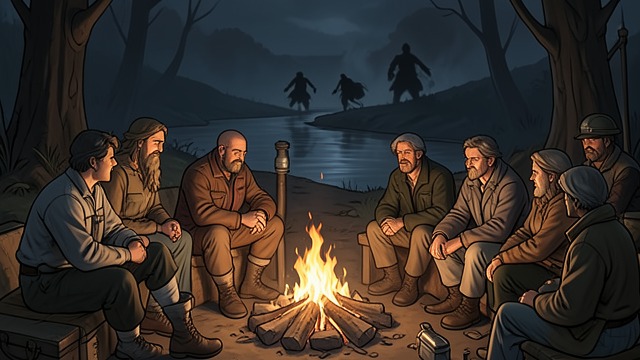
The Dead Return as Memory
The underworld remains present
The dead are recalled in family grief, healing practices, and warnings. Their world continues to shape decisions among the living.
Story preserves a boundary
Song can summon knowledge of the dead without erasing the difference between living and dead. Remembering Tuonela is both cultural inheritance and a caution against careless passage.
During Wainamoinen’s first visit to Tuonela
After Wainamoinen escapes Manala’s nets
When Wainamoinen seeks the lost boat words
After Lemminkainen is killed and cast into the river
After the dead are named in songs and incantations
