
Songs That Explain the World
KalevalaThis flow traces the poem’s use of song not only to move events but to preserve history, cultural memory, and explanations of nature.
increasing Bearing strength in each event
 decreasing
Bearing strength in each eventdecreasingThe Proem Invokes Inherited Songs
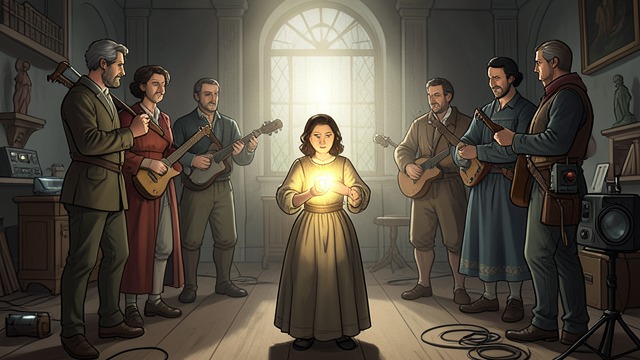
The Proem Invokes Inherited Songs
A shared origin
The singer says the old words came from parents, daily work, and ancestral heroes. He invites another singer to join the telling.
Memory requires performance
The songs exist in voices and social settings, not only as written records. Retelling renews what might otherwise be lost between generations.
The Contest Distinguishes Wisdom
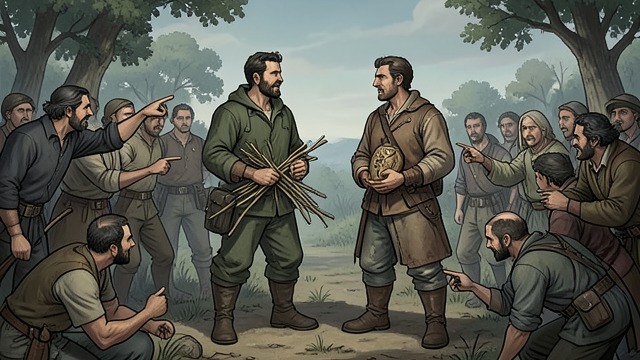
The Contest Distinguishes Wisdom
Claims face examination
Youkahainen offers fragments of knowledge and claims a place in the creation of the world. Wainamoinen demands deeper understanding and answers with ancient song.
Knowledge changes standing
The contest determines who can speak with authority, but it also creates a personal conflict. Song carries both cultural wisdom and the power to dominate.
The Sampo’s Work Is Sung
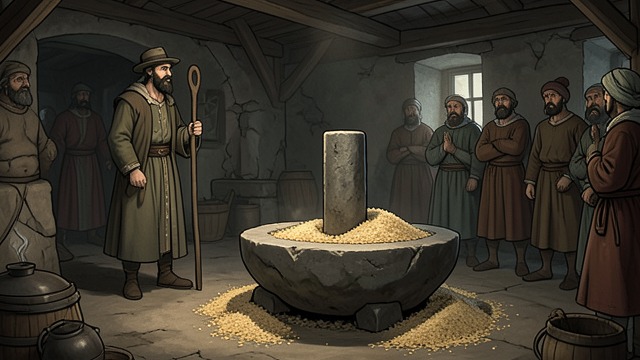
The Sampo’s Work Is Sung
An object receives meaning
Songs describe the Sampo grinding daily measures of food and wealth. Its function becomes part of how listeners understand the fortunes of Northland and Kalevala.
Poetry interprets prosperity
The Sampo is more than a tool: its repeated abundance gives a people a story about how prosperity works. Song allows the object’s value to travel beyond its physical location.
The Harp Gathers Listeners
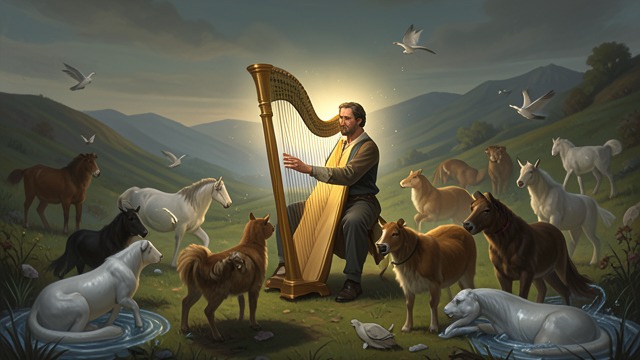
The Harp Gathers Listeners
Song crosses boundaries
Animals, birds, people, and beings of water gather around Wainamoinen’s music. The performance temporarily unites creatures that ordinarily live apart.
A public art
Music creates a shared emotional experience and becomes a source of communal identity. The singer’s skill is measured by the listeners’ response as well as by his own power.
The Epilogue Hands Songs On
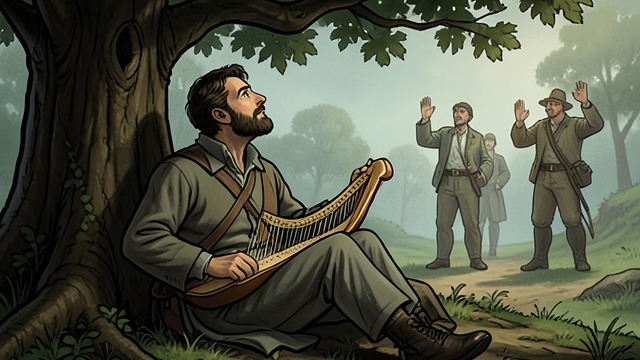
The Epilogue Hands Songs On
Silence makes room
The singer concludes that not every song should be performed at once. Acknowledging fatigue and limits becomes part of responsible telling.
The next singer is invited
The closing words point to better singers and future generations. The epic’s ending makes cultural memory a shared inheritance rather than a possession of one voice.
At the beginning of the singer’s address
During Youkahainen’s challenge to Wainamoinen
After the Sampo is taken from Pohyola
When Wainamoinen plays before the people of Northland
At the end of the Epilogue
