
Iron’s Birth and Broken Promise
KalevalaThis flow traces iron from divine origins through the smith’s work to its transformation into steel and its betrayal of a peaceful oath.
increasing Bearing strength in each event
 decreasing
Bearing strength in each eventdecreasingThree Mothers of Iron
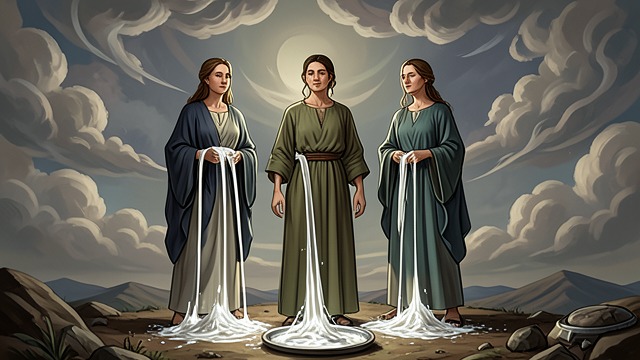
Three Mothers of Iron
Metal begins in the heavens
Ukko creates three maidens whose milk becomes different kinds of iron. The myth locates metal in divine nature rather than in human invention alone.
The world’s materials have kinship
Iron is born alongside air, water, and fire. Its family history makes later violence a rupture within a shared natural order.
Iron Flees from Fire
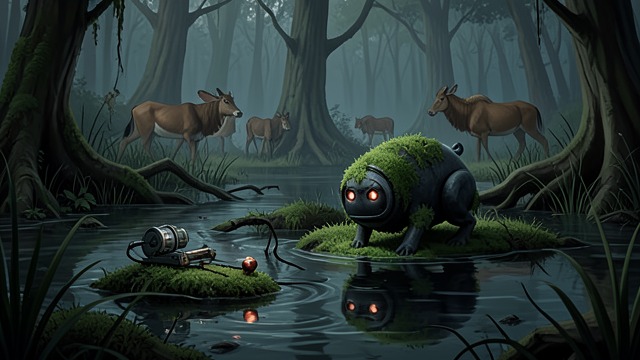
Iron Flees from Fire
A frightened younger brother
Iron tries to visit fire, but fire threatens to consume it. It flees into swamps and valleys, hiding among the tracks of animals.
Nature preserves the metal
The hiding place makes iron a discovered resource, not yet a weapon. Its relationship with fire sets up the later conflict between useful craft and destructive force.
Ilmarinen Calls Iron to the Forge
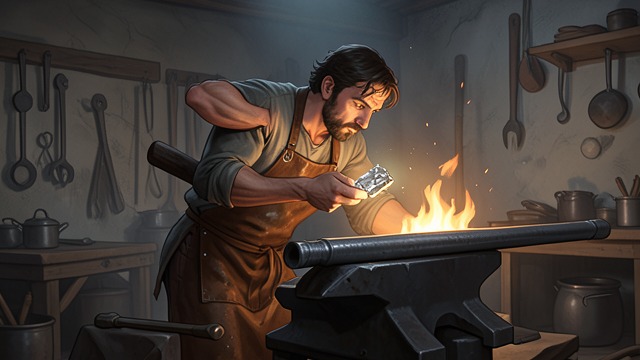
Ilmarinen Calls Iron to the Forge
A promise of useful work
Ilmarinen finds iron where animals have crossed the wetlands and persuades it to enter the furnace. He promises it will become tools and useful objects.
Craft depends on trust
The smith does more than heat metal: he asks it to accept a role in human life. Iron’s fear gives its promise a moral weight beyond a manufacturing step.
The Oath Against Killing
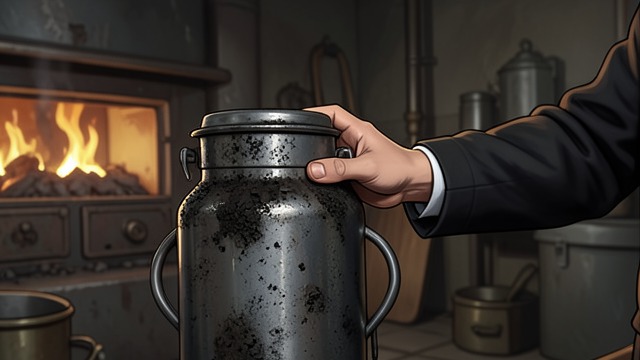
The Oath Against Killing
A pledge of service
Iron vows by the furnace, anvil, tongs, and hammer that it will not wound its own kin or kill the best of heroes. It says civil service would be better than warfare.
A promise on trial
The oath imagines a peaceful use for strength. The subsequent making of steel tests whether a moral declaration can survive the desires of its makers.
Steel Breaks the Oath
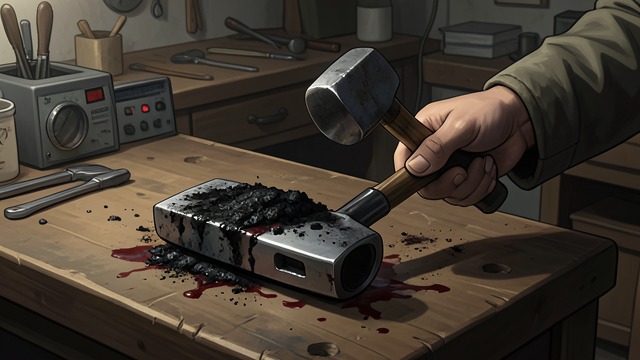
Steel Breaks the Oath
Poison mistaken for honey
Ilmarinen expects the bee to bring flower honey, but a hornet introduces poison into the mixture. The smith accidentally creates a substance that cuts and wounds.
A failure of understanding
Iron’s broken promise arises from deception as well as its own action. The tale warns that power becomes dangerous when knowledge is incomplete and trust is misdirected.
In the mythic age before iron is worked
After iron first approaches its elder brother
When Ilmarinen finds ore in the marshes
As iron is removed from the furnace
During the first tempering of steel
