
The Meaning of the Yellow Roses
Kay ScarpettaThis flow follows the yellow rose as a symbol of tenderness, memory, manipulation, and surviving attachment.
increasing Bearing strength in each event
 decreasing
Bearing strength in each eventdecreasingThe Neighbor’s Rose
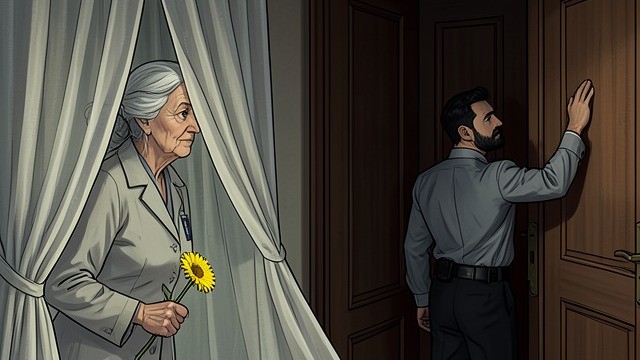
The Neighbor’s Rose
A remembered gift
Shrew sees Oscar carrying a yellow rose to Terri. Its color suggests friendship, sensitivity, and an affection more nuanced than a conventional red Valentine.
A fragile image
The sight moves Shrew because she has never received such a flower. She reads the rose as evidence that Oscar wants to be Terri’s companion as well as her lover.
Later significance
The memory survives the murder and becomes one of the few tender details in a story otherwise dominated by coercion.
Roses in the Secret Room
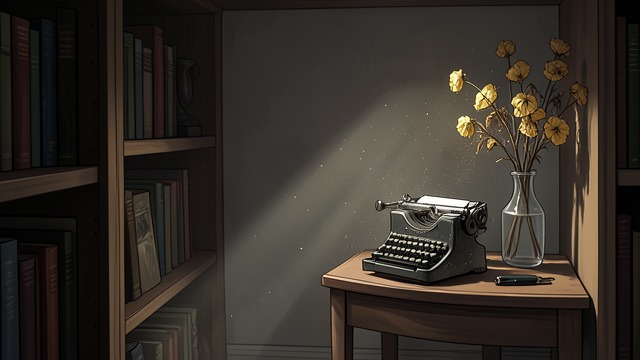
Roses in the Secret Room
Preserved flowers
Scarpetta learns that Terri kept the yellow roses Oscar gave her in the concealed room where she wrote her columns. The flowers were not casual decoration but preserved emotional evidence.
A divided attachment
Terri may have loved Oscar while also using him, deceiving him, and maintaining another relationship. The roses complicate the idea that she was simply cold or manipulative.
A message to Oscar
Scarpetta tells Oscar that Terri’s preservation of the roses proves that he mattered. The interpretation gives him a form of grief he can survive.
Memory After Death

Memory After Death
A flower as testimony
The yellow roses become part of the emotional account Scarpetta offers Oscar through her letter. They preserve a private tenderness that the murder and the slander might otherwise erase.
Beyond absolution
The roses do not excuse Terri’s cruelty or Oscar’s deceptions. They show instead that a person can harm others while still possessing genuine attachments.
A humane conclusion
The symbol lets Scarpetta resist the flattening logic of crime stories. The dead are neither saints nor monsters, but people whose contradictory feelings remain significant.
A few weeks before Terri’s death
After Terri’s hidden writing room is discovered
At the final dinner at Elaine’s
