
The Reporter’s Unfinished Investigation
Killers of the Flower MoonThis flow traces the modern reporter’s search through family memory and archives, expanding the story beyond the cases solved in the 1920s.
increasing Bearing strength in each event
 decreasing
Bearing strength in each eventdecreasingA Visit to Pawhuska
A Visit to Pawhuska
A Forgotten History
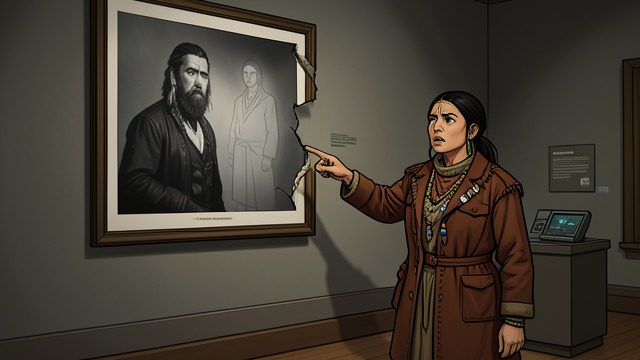
The reporter arrives in Pawhuska to investigate murders largely absent from the history he learned in school. At the Osage Nation Museum, photographs make the victims visible as members of families rather than names in a case file.
A Missing Panel
Kathryn Red Corn points to a cut-out section of a ceremonial photograph and explains why Hale’s image was removed. The encounter frames historical memory as both evidence and pain.
Margie’s Family Memory
Margie’s Family Memory
A Descendant’s Account
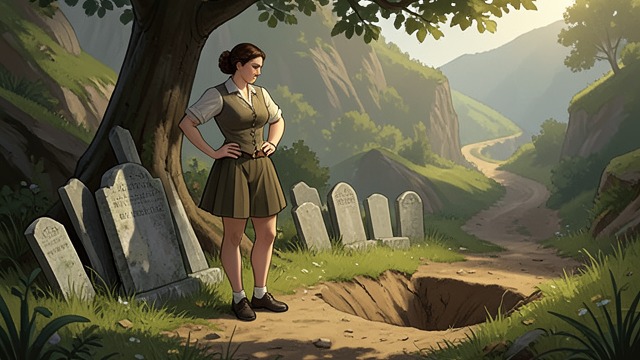
Margie Burkhart describes the way Ernest’s crimes affected his children and grandchildren. Her family stories reveal emotional consequences absent from official trial records.
The Place of the Crime
She leads the reporter to the ravine where Anna Brown was killed and to the ruins and graves connected to the family. The geography links inherited memory to the physical landscape.
Following Vaughan’s Money
Following Vaughan’s Money
A Family Archive
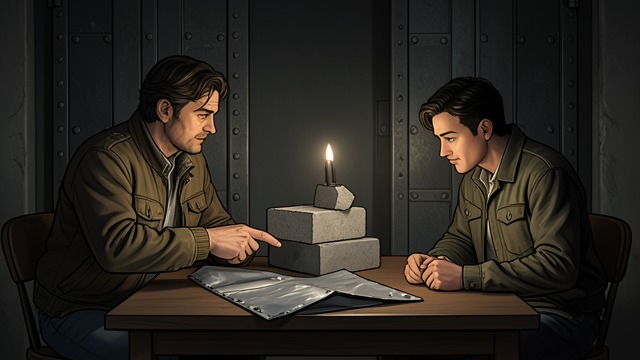
Martha Vaughan and Melville Vaughan share binders documenting the murder of W. W. Vaughan. Their records point to an unresolved financial dispute involving George Bigheart’s estate.
A Suspect Reappears
The reporter finds evidence connecting H. G. Burt to the money and to the train journey. An informant’s statement and other records strengthen suspicion, though they cannot deliver a courtroom verdict.
A Wider Whitehorn Theory
A Wider Whitehorn Theory
Private Detective Records
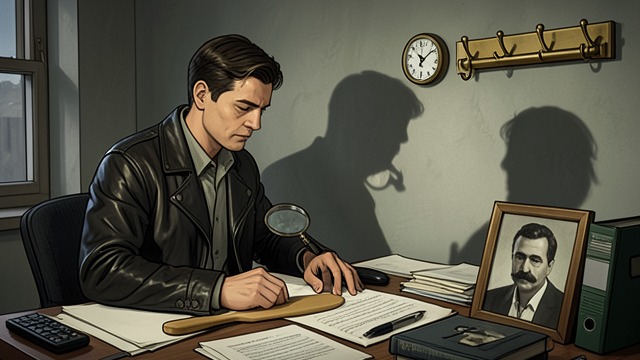
The reporter revisits logs describing a possible plot against Charles Whitehorn involving his widow and other local figures. The evidence suggests a scheme separate from Hale’s known conspiracy.
A Case Unclosed
The theory remains unproven, but the case challenges the idea that one mastermind explains every murder. The investigation’s incompleteness becomes part of the story itself.
A Larger History of Killing
A Larger History of Killing
The Guardian Register
A ledger shows that many Osage wards died while under guardianship, including wards connected to the people already under suspicion. Other records describe deaths attributed to illnesses and alcohol despite concerns about poison.
The Archive Cannot Finish the Work
The reporter finds strong evidence of a far wider death toll but cannot reconstruct every victim or identify every perpetrator. The final account opens the case rather than closing it.
2012
2012
2013 to 2015
2013 to 2015
2015
