
The Press and the Making of a Crime Legend
Killers of the Flower MoonThis flow traces how journalists turn the Osage murders into a national spectacle and how that spectacle shapes both public understanding and historical memory.
increasing Bearing strength in each event
 decreasing
Bearing strength in each eventdecreasingThe First Sensation
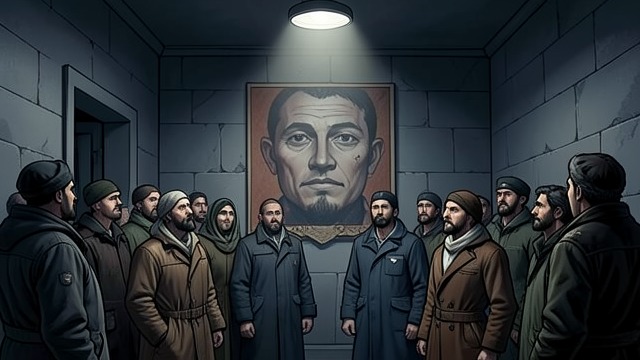
The First Sensation
Headlines Announce Murders
Newspapers report the deaths of Anna Brown and Charles Whitehorn as separate cases discovered nearly at once. The possibility of a repeat killer quickly attracts public attention.
A Mystery Framed for Readers
The press emphasizes dramatic clues and frontier violence. The early coverage makes the murders visible but cannot yet explain the economic and political structures behind them.
A National Conspiracy Story
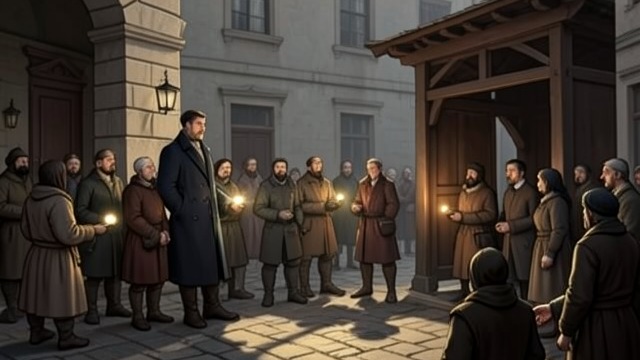
A National Conspiracy Story
Wealth and Terror
As suspicious deaths mount, newspapers describe a conspiracy targeting rich Osage people. The story reaches Washington after McBride’s murder and gains national urgency.
Spectacle and Stereotype
Some coverage recognizes the scale of the crimes, while other reporting romanticizes outlaw violence and repeats racist caricatures. The Osage become the subject of a story more often than its narrators.
Trial as Public Drama
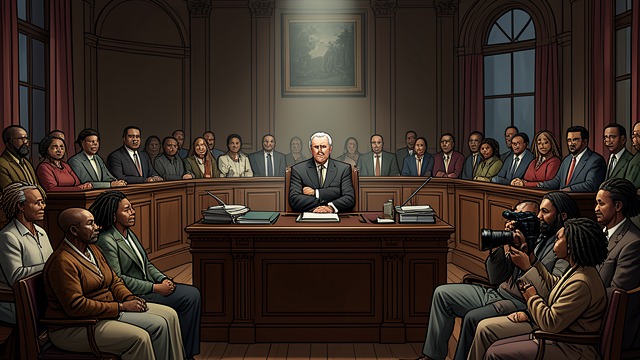
Trial as Public Drama
Crowded Courtrooms
Reporters describe packed hearings, prominent defendants, Osage witnesses, and a town captivated by the proceedings. The trials make the struggle over whether a white man can be punished for killing an Osage person visible.
Human Lives Reduced to Plot
Coverage often emphasizes the sensational characters and twists. The people whose families were destroyed risk becoming elements in a national crime story rather than subjects with their own authority.
The Bureau’s Publicity Machine
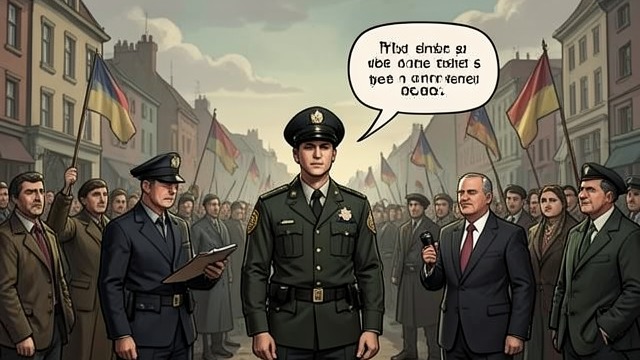
The Bureau’s Publicity Machine
A Heroic Account
Hoover encourages reporters to focus on the human-interest version of the Bureau’s success. The official narrative presents federal agents as the force that restored law to a wild region.
Failures Omitted
The story does not disclose the Bureau’s earlier mistakes or the cases left unresolved. Public relations simplifies a difficult history into an institutional origin myth.
A Memory Restored by Descendants
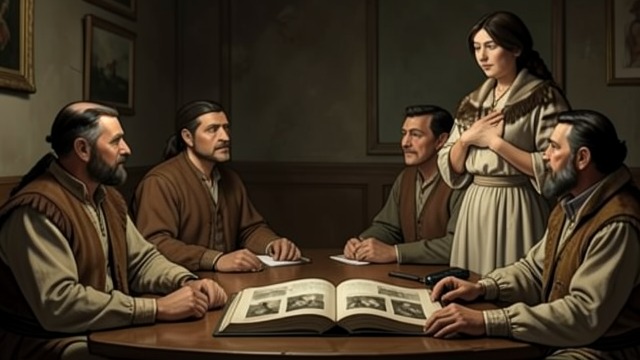
A Memory Restored by Descendants
Families Speak Back
The reporter’s conversations with Osage descendants recover details absent from the famous case narrative. Family memory challenges the idea that the story ended with convictions.
History Reopened
Books, museum exhibits, ceremonies, and archival research restore the victims’ presence and expose unanswered crimes. Public understanding shifts from a solved detective story to a continuing history of Osage survival and loss.
May 1921
1922 to 1926
1926
After 1926
2012 onward
