
The Public Spectacle of Osage Wealth
Killers of the Flower MoonThis flow traces how press fascination with Osage prosperity becomes entangled with racial caricature, paternalism, and the justification of control.
increasing Bearing strength in each event
 decreasing
Bearing strength in each eventdecreasingA Wealthy Tribe in the Headlines

A Wealthy Tribe in the Headlines
Astonishment at Oil Income
Newspapers report that Osage people receive large payments from oil leases. The tribe’s prosperity challenges popular assumptions that Indigenous people are poor and dependent.
Wealth as Spectacle
Reporters focus on cars, clothing, and mansions, often presenting Osage prosperity as an exotic curiosity. The coverage makes the tribe visible while minimizing its political history and legal rights.
The Spendthrift Caricature
The Spendthrift Caricature
Exaggerated Stories
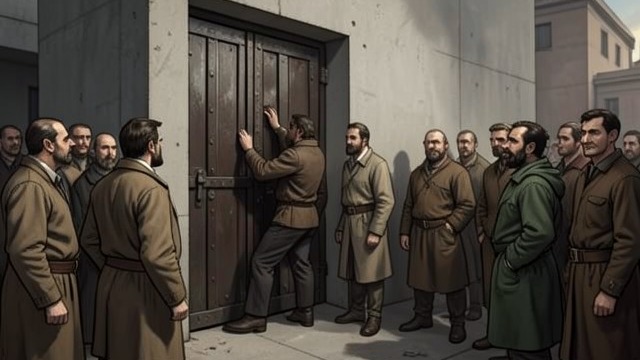
Articles claim that Osage people waste money on extravagant purchases. Such accounts ignore the varied ways tribal members invest and use their income.
A Racial Double Standard
White oilmen build lavish homes and spend freely without being treated as evidence of racial incapacity. The press’s framing helps make Osage wealth seem like a problem requiring outside supervision.
Paternalism Becomes Policy
Paternalism Becomes Policy
Officials Judge Spending
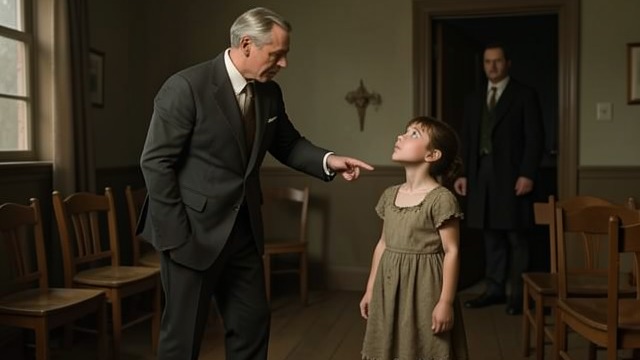
Government investigators scrutinize Osage bills and describe adults as children who cannot manage money. Federal officials use spending habits to argue for tighter control.
Restrictions Follow
Congress limits access to trust funds, presenting the restriction as protection. The rhetoric of care masks a denial of autonomy and helps normalize guardianship.
Wealth Draws Predators
Wealth Draws Predators
Money and Exposure
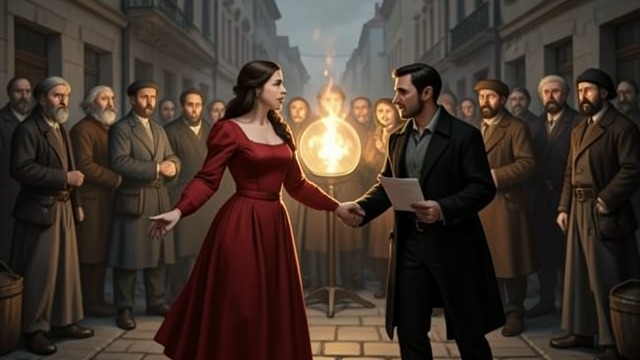
The same public attention that celebrates oil riches makes Osage headrights conspicuous targets. Predators seek access through marriage, guardianship, forged debt, and murder.
The Victim Blamed
Some commentators imply that the Osage brought danger on themselves through spending. This shifts attention away from white perpetrators and the institutions that enable them.
A Different Account of Wealth
A Different Account of Wealth
Restoring Agency
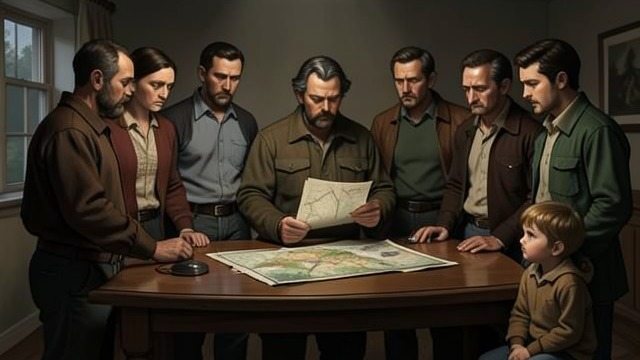
Later histories emphasize Osage strategy, negotiation, and investment rather than portraying the tribe as passive recipients of oil money. The wealth is understood within a long struggle for land and sovereignty.
Beyond the Headline
The Osage story is not only about riches or murder but about the consequences of a society that resents Indigenous success. Revising the public account is part of restoring the people’s agency.
1910s
Early 1920s
1920 to 1921
During the Reign of Terror
Later historical reflection
