
The Vanishing Boomtowns
Killers of the Flower MoonThis flow traces the rise and disappearance of oil towns, showing how the physical landscape preserves traces of boom, violence, and decline.
increasing Bearing strength in each event
 decreasing
Bearing strength in each eventdecreasingA Settlement Becomes a Town
A Settlement Becomes a Town
Trading Posts on the Prairie
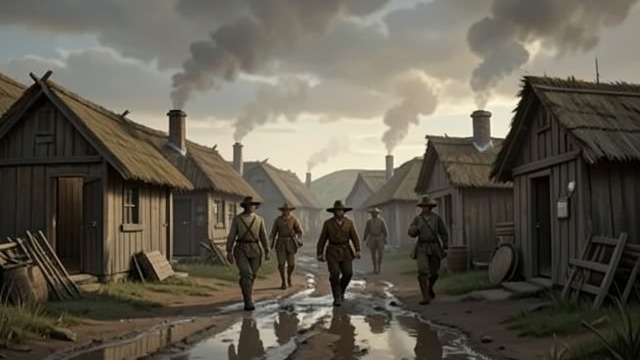
Gray Horse begins as a small cluster of lodges and trading stores. Its muddy trails and modest buildings reflect a community at the edge of settlement.
New Names and New Neighbors
Traders bring commerce and English names, while more settlers arrive. The settlement begins changing long before oil transforms the region.
Oil Towns Multiply
Oil Towns Multiply
Boomtown Growth
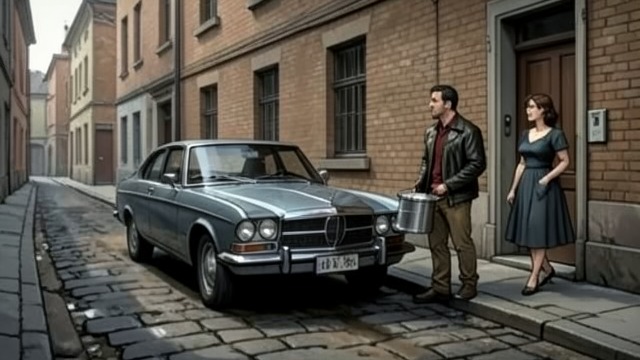
Drilling brings workers and businesses to towns such as Fairfax, Pawhuska, and Whizbang. Automobiles, cafés, and oil equipment replace parts of the older prairie landscape.
A Volatile Population
Cowboys, prospectors, bootleggers, lawmen, and financiers share the same streets. The economic energy creates opportunity but also a setting for criminal violence.
Violence in Familiar Places
Violence in Familiar Places
Crimes Across the County
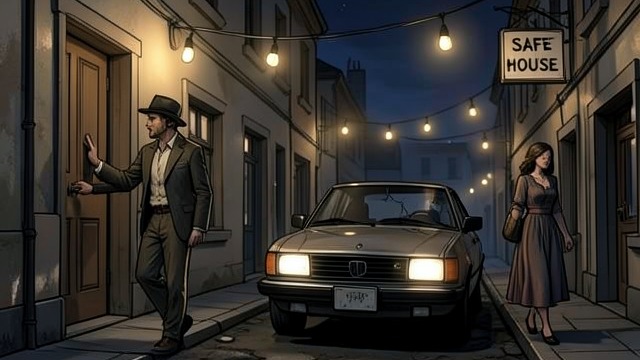
Murders occur near creeks, in automobiles, and inside homes. The seemingly ordinary places of the boomtowns become part of the community’s geography of fear.
Lights Against the Dark
Osage families hang electric bulbs outside their homes as protection against unseen attackers. The town’s modern infrastructure becomes a fragile defense against violence.
The Oil Economy Fades
The Oil Economy Fades
Wells Lose Their Yield
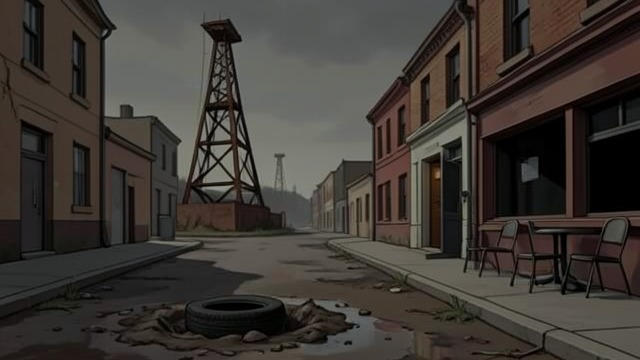
Prices fall and oil fields become less productive. Headright payments shrink, while businesses and residents begin leaving the boomtowns.
A Landscape Thins Out
Derricks and railroads disappear, and once-busy places become abandoned. The fading towns make visible the instability of an economy that had seemed limitless.
Ghost Towns and Living Nation
Ghost Towns and Living Nation
Ruins Remain
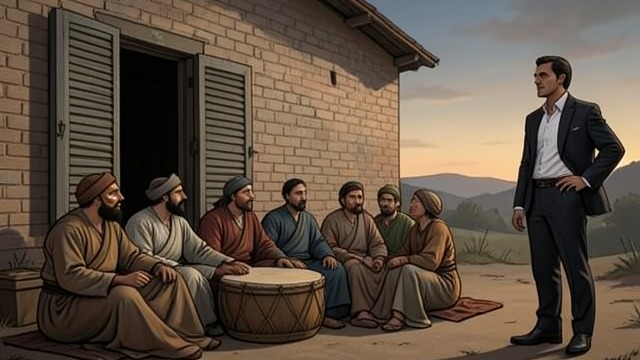
The reporter encounters shuttered storefronts and empty streets in Fairfax and Gray Horse. Physical traces survive even as the original boomtown world has vanished.
Continuity Beyond the Boom
The Osage Nation remains politically and culturally active, with ceremonies, government, and new economic resources. The towns may fade, but the community does not disappear with them.
1880s
1910s to early 1920s
1921 to 1926
Late 1920s through the 1930s
2012 onward
