
The Lasting Cost of a Conviction
Killers of the Flower MoonThis flow traces how legal victories coexist with release, pardon, family rupture, and an incomplete sense of justice for the Osage.
increasing Bearing strength in each event
 decreasing
Bearing strength in each eventdecreasingA Guilty Plea
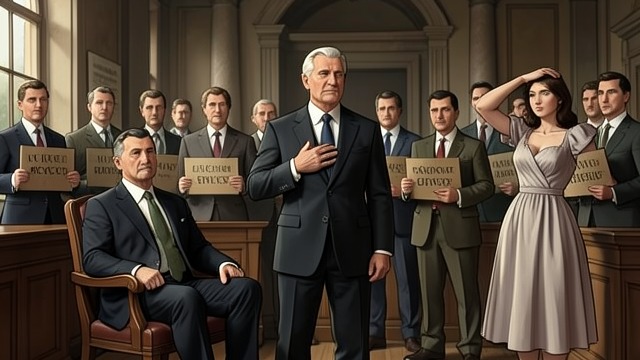
A Guilty Plea
Ernest Admits His Role
Ernest Burkhart pleads guilty to helping arrange the Smith bombing. His admission confirms a central part of the conspiracy after his earlier recantation.
A Case Strengthened
The plea allows the prosecution to proceed with greater confidence against Hale and Ramsey. It also gives Mollie a direct account of her husband’s betrayal.
Life Sentences

Life Sentences
Convictions in Federal Court
Hale and Ramsey are convicted of Roan’s murder and sentenced to life imprisonment. Ernest receives a life sentence for his role in the bombing.
Relief Without Restoration
The verdicts give the community a form of legal recognition, but they cannot restore the dead or the lost family relationships. The court’s success remains limited to the crimes it can prove.
A Marriage Ends

A Marriage Ends
Mollie Hears the Details
Mollie hears testimony describing how Bryan and Morrison killed Anna and realizes that Ernest knew the truth while comforting her. The courtroom turns years of family memories into evidence of deception.
Divorce and Recoil
Mollie divorces Ernest and cannot bear to hear his name. The legal result against the conspirators does not restore the trust that sustained her earlier life.
Parole and Pardon
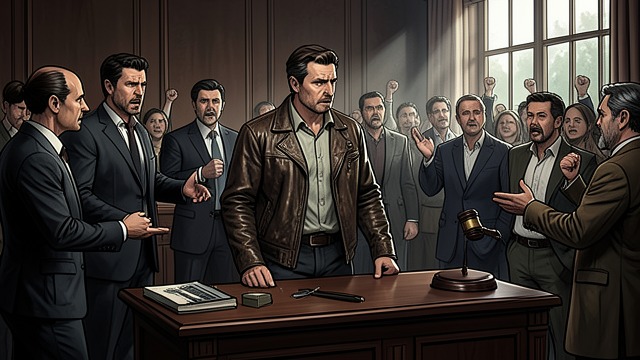
Parole and Pardon
Early Release
Ernest is paroled in 1937, provoking protest from the Osage Tribal Council. Hale is released in 1947 after years in prison, despite the community’s belief that he deserved a harsher punishment.
Return to Oklahoma
Ernest later receives a pardon and returns to the region. The decisions reopen the question of whether the legal system has delivered justice proportionate to the crimes.
A Verdict That Cannot Close History
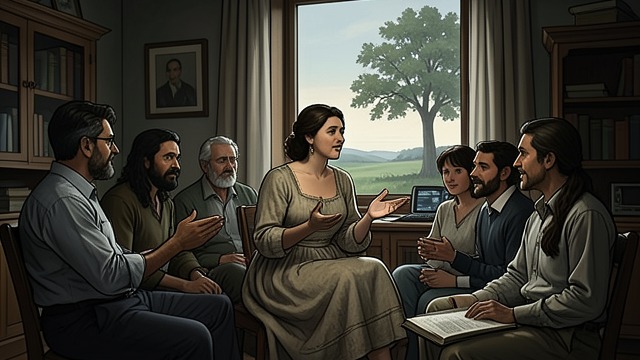
A Verdict That Cannot Close History
Descendants Carry the Record
Margie Burkhart and other descendants continue to discuss the consequences of the crimes. Their testimony includes family shame, isolation, and memories of people who were not present at the trials.
Justice Remains a Demand
The convictions matter, but many suspected deaths were never tried and the perpetrators’ releases remain painful. The community’s historical work continues beyond the courtroom’s final judgment.
June 1926
1926
After the Anna Brown trial
1937 to 1966
2012 onward
