
The Boomtown Economy
Killers of the Flower MoonThis flow traces the transformation of the Osage region into a petroleum boomtown and the unstable prosperity that follows.
increasing Bearing strength in each event
 decreasing
Bearing strength in each eventdecreasingOil Leases Begin
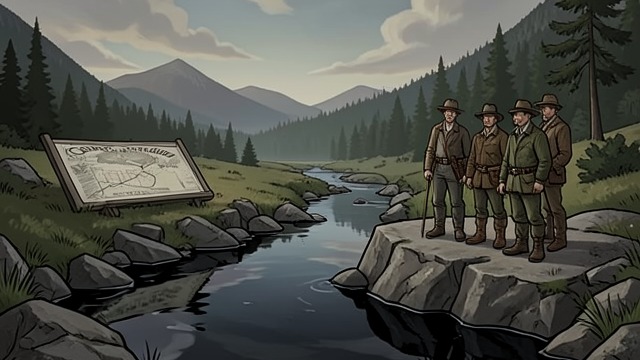
Oil Leases Begin
Signs Beneath the Surface
An oil sheen in a creek leads to early exploration on the reservation. Few initially understand the scale of the deposits below the rocky land.
Leasing the Future
The Osage approve drilling leases while preserving the mineral estate. Prospectors arrive with uncertain fortunes, beginning a transformation that will accelerate rapidly.
Derricks on the Prairie
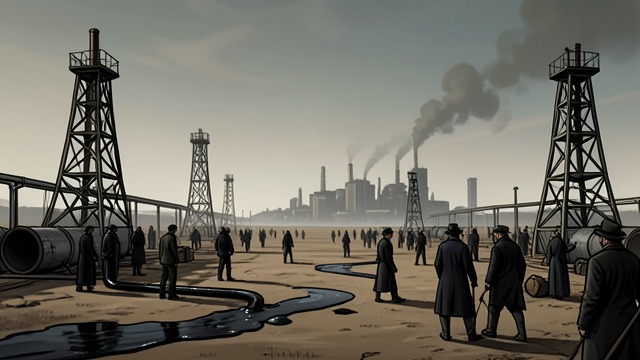
Derricks on the Prairie
A Changing Landscape
Drilling rigs and workers spread across the reservation, and new wells produce spectacular gushers. The industrial noise and black oil reshape the prairie economy.
Wealth Arrives
As royalties grow, Osage members receive increasingly large payments. The region attracts oilmen, laborers, merchants, and fortune seekers from across the country.
Auctions at the Elm
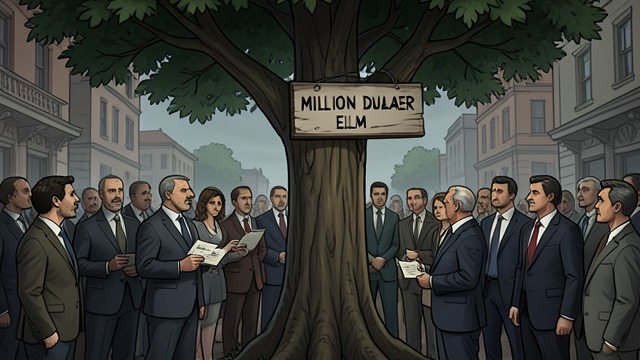
Auctions at the Elm
Leases as Spectacle
Oil leases are auctioned in Pawhuska, where bids climb into the hundreds of thousands and millions. The Million Dollar Elm becomes a vivid emblem of the scale of the stakes.
Power in the Crowd
Magnates compete for access to Osage land, while the people whose mineral rights make the leases valuable are treated as spectators. The auctions display both the tribe’s wealth and the outside interests seeking to profit from it.
Fortunes and Resentment
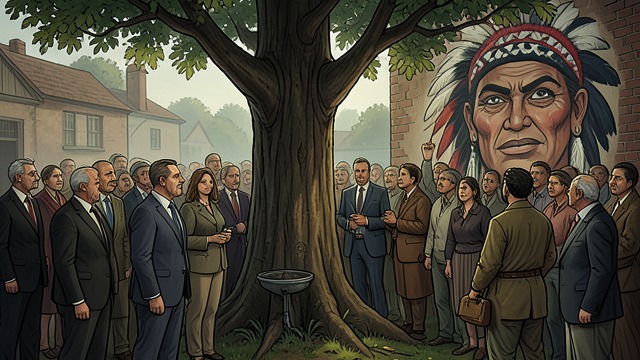
Fortunes and Resentment
Public Fascination
Newspapers describe the Osage as extravagant, often using racist caricatures to portray their prosperity. Reports rarely acknowledge the skillful investments or the cultural meaning of generosity.
A Convenient Prejudice
Public resentment helps justify government restrictions and private interference. The wealth becomes a reason to control Osage choices rather than recognize Osage rights.
The Boom Recedes
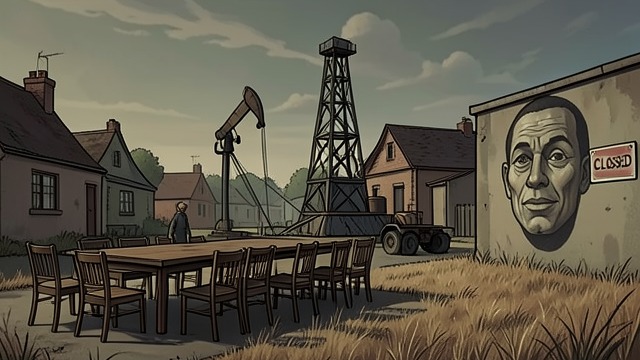
The Boom Recedes
Falling Income
Oil prices and production decline, reducing headright payments. The boomtowns lose businesses and population, while family wealth is further diminished by guardians and fraud.
A Changed Landscape
Derricks fall quiet, and many towns become ruins. The Osage Nation persists, carrying both the memory of oil prosperity and the legacy of those who tried to control it.
1890s to early 1900s
1910s
1912 through the early 1920s
Early 1920s
Late 1920s through the 1930s
