
The Evidence That Survives
Killers of the Flower MoonThis flow follows the fragile material traces that investigators and later researchers use to reconstruct crimes after official inquiry has failed.
increasing Bearing strength in each event
 decreasing
Bearing strength in each eventdecreasingA Crime Scene Contaminated
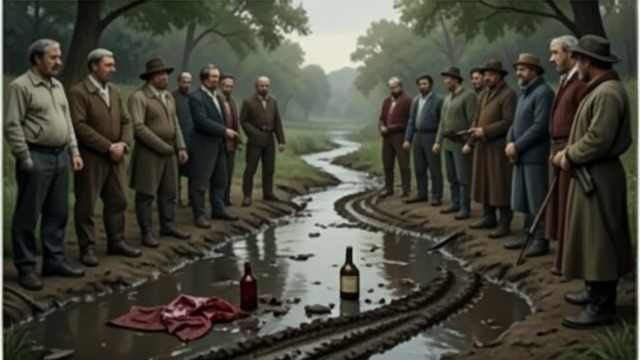
A Crime Scene Contaminated
Evidence Left Behind
At the creek, investigators notice blood, a bottle, and car tracks but collect almost nothing. The gathered crowd has already disturbed the scene.
Absence Becomes a Problem
No fingerprints, tire casts, or photographs preserve what happened. The first failure of evidence collection will haunt every later effort to prove Anna’s murder.
The Missing Bullet
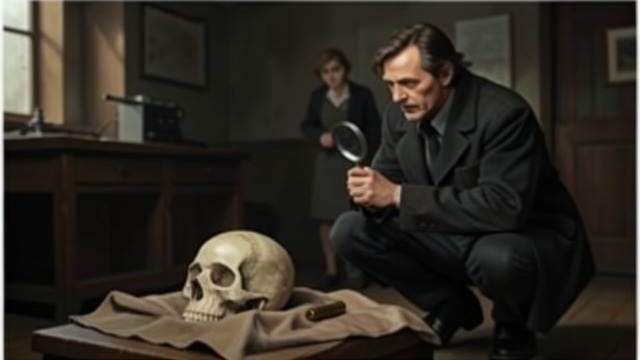
The Missing Bullet
An Autopsy in Doubt
Doctors find a bullet wound in Anna’s skull but cannot locate the bullet, even after a second examination. The absence suggests that someone may have removed evidence.
A Physical Trace Preserved
An undertaker secretly keeps the skull, giving later investigators a surviving object to examine. It cannot identify the killer, but it confirms the wound that the original inquiry mishandled.
Telephone Records and Tracks
Telephone Records and Tracks
An Operator’s Log
A telephone record suggests that someone called Anna’s house on the night she disappeared. The log helps establish that she was likely home later than Bryan Burkhart first implied.
A Lead Without Closure
Private detectives also find that Anna’s purse was disturbed, suggesting she returned home. These fragments complicate the story but do not yet reveal who took her back out.
A Forged Debt Note
A Forged Debt Note
The Insurance Scheme
Investigators examine a creditor note used to support Hale’s claim that Roan owed him money. The supposed debt would justify Hale’s position as insurance beneficiary.
Paper Fibers Tell a Story
A document examiner detects that the date was altered by erasing and rewriting letters. The forensic detail helps transform suspicion about the insurance policy into evidence of deliberate fraud.
Archives as Crime Scene
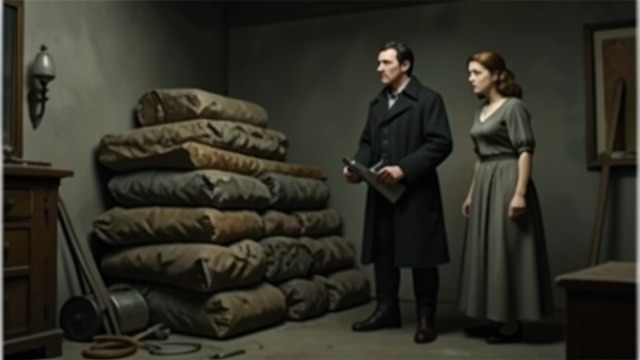
Archives as Crime Scene
Records Reassembled
The reporter searches court files, Bureau documents, guardian registers, and family papers to connect names and estates. Each record offers only a partial view of a buried history.
Evidence with Limits
Documents can expose patterns and challenge official conclusions, but they cannot restore destroyed testimony or give the dead a voice. The archive becomes both a tool for investigation and a record of what cannot be recovered.
May 1921
1921 and later
1923
1925
2012 to 2015
