2011 Osage settlement agreement
Killers of the Flower MoonThe 2011 Osage settlement agreement marked a partial reckoning over the federal government’s handling of Osage oil funds. After an eleven-year legal battle, the government agreed to pay $380 million to settle a lawsuit brought by the Osage. The agreement returned at least a portion of funds mismanaged over decades, while leaving a much longer history of land loss, restricted access to wealth, and exploitation beyond the reach of a single settlement.
Land Loss and Mineral Rights
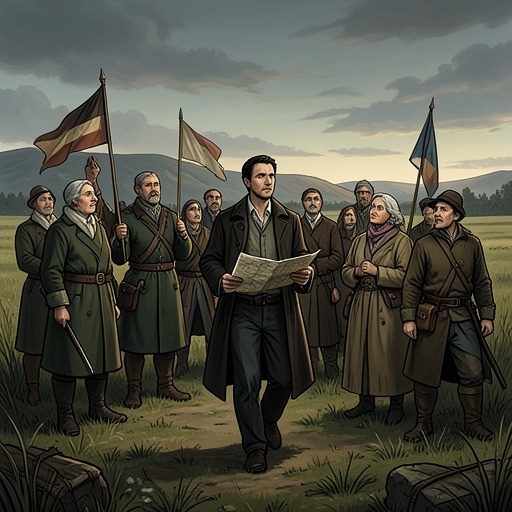
The dispute’s background extended well before oil wealth transformed Osage territory. After the United States compelled the Osage to relinquish vast ancestral lands, the tribe was expelled from Kansas. In 1870, the Osage agreed to sell their Kansas lands to settlers for $1.25 an acre; the agreement came amid violence against Osage people, including killings and the mutilation of bodies. The Osage then sought a new homeland in Indian Territory.
As the federal government prepared to divide Indian Territory and make it part of Oklahoma, Osage leaders negotiated for terms that would preserve tribal control over mineral resources. Under the 1906 allotment agreement, land was divided among tribal members, with each allotment increased from the 160 acres used elsewhere to 657 acres. Crucially, the agreement reserved the oil, gas, coal, and other minerals to the Osage Tribe. The reservation created an enduring source of collective revenue—and a distinct resource whose income could be contested even as individual surface lands were allotted.
Oil Wealth and Financial Control
The oil beneath the reservation became extraordinarily valuable. Federal auctions, held about four times a year from 1912, offered leases for drilling, commonly on 160-acre tracts. As bidding escalated, the underground mineral estate became a source of immense wealth and a target for those seeking access to its returns.
That wealth did not mean that Osage people could freely control their own money. Under the Indian guardianship system, federal officials classified many Osage as unable to manage their finances and required a local white guardian to oversee spending. The classification was closely tied in practice to blood quantum: full-blooded Osage were routinely assigned guardians, while mixed-blood people rarely were. For those under guardianship, even ordinary purchases could require a guardian’s authorization.
The administration of these estates also enabled extensive financial abuse. Some guardians inflated prices on goods sold to their wards, steered business to favored stores and banks for kickbacks, claimed to buy property for Osage clients while acquiring it for themselves, or stole outright. A government study estimated that, before 1925, guardians had taken at least $8 million directly from restricted Osage accounts. This history of private exploitation is distinct from the later lawsuit’s focus on oil funds mismanaged by the United States government, but both exposed how formal oversight could fail to protect the people whose wealth it purported to manage.
The Lawsuit and Agreement
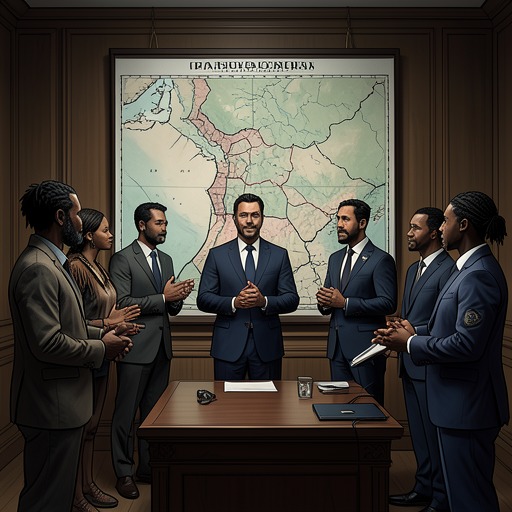
The Osage brought a lawsuit seeking to recover oil funds that the United States government had mismanaged over decades. After eleven years of litigation, the government agreed in 2011 to settle for $380 million. The result was a substantial recovery, but the account describes it as only a portion of the funds at issue; it does not present the agreement as compensation for every loss produced by guardianship, dispossession, or exploitation.
Recovery and Limits
The settlement formed part of a broader effort by the Osage to sustain their community and recover resources. The Nation also developed new revenue sources, including seven casinos on its territory, whose proceeds help fund tribal government, education, and health-care benefits. Together, these developments show that Osage economic life did not end with the decline of the oil boom. Yet the settlement’s partial recovery also marks its limit: money returned after an eleven-year legal struggle could address some mismanaged funds, but could not undo generations of restricted control over Osage wealth.