Flowers among weeds
Kim Ji-young, Born 1982“Flowers among weeds” is the hiking club men’s description of its women members: a compliment that made them seem cherished while marking them as exceptions in a male-dominated group. The phrase captures the club’s central contradiction. Women received attention and favors, but, as Cha Seungyeon argued, what they wanted was not special treatment but equal responsibility and the chance to lead.
Use in the Hiking Club
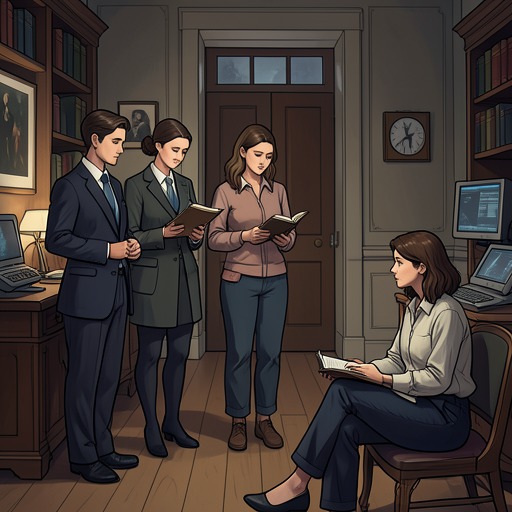
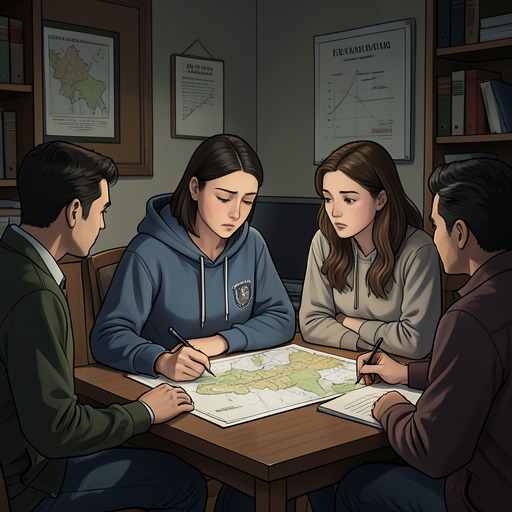
Kim Jiyoung returned to the club occasionally to look after new female recruits, remembering how Cha Seungyeon had welcomed her when she first joined. The club was predominantly male, and women typically left after a few meet-ups. The phrase “flowers among weeds” gave their presence a flattering gloss: the men acted as though they worshipped the women, carrying their belongings, letting them choose the food, and assigning them the larger, better rooms on club trips—even when only one woman attended.
Those courtesies did not translate into shared authority. The club president, vice-president, and secretary were all men; its male members also described their own ability to joke among themselves as the camaraderie that kept the organization strong. The contrast between women’s preferred menus and men’s leadership positions gives the phrase its force: women were conspicuous and catered to, yet not treated as peers with equal claims on the club’s decisions.
The Compliment as a Boundary
Cha Seungyeon rejected the premise that women’s value lay in brightening the group. One devoted male member, a doctoral student in his ninth year, insisted that club work was too much for women and that their mere presence brightened the club. His repeated formulation turned exclusion into apparent solicitude: women were praised precisely in place of being entrusted with work and responsibility.
Seungyeon answered that the women did not need the club’s support in the form of special favors. If the club needed brightening, she said, it could get a lamp; she was tired of the place but would keep fighting until a woman became president. Her response exposes the metaphor’s implied division: men are the club’s active members, while women are ornamental additions. The phrase’s warmth therefore does not cancel its condescension; it is part of how the unequal arrangement presents itself as generosity.
Change and Significance
A woman did not become president before Seungyeon graduated. Jiyoung later heard that a woman who entered university exactly ten years after her had claimed the position. Seungyeon treated the news lightly, saying that time moves mountains and rivers. The delayed change gives her campaign a concrete outcome, even as the long wait underlines how slowly access to leadership shifted.
Jiyoung was less committed to the club than Seungyeon, but her continued attention to its new recruits carried forward the care she had once received. In this setting, “Flowers among weeds” is more than a compliment: it names a pattern in which women are welcomed and indulged without being granted equal standing. The eventual woman president offers a counterpoint to that pattern, replacing decorative inclusion with a share in authority.