Jung Jiwon
Kim Ji-young, Born 1982Jung Jiwon is the daughter of Kim Jiyoung and Jung Daehyun, born into a family whose love for her is clear but whose daily care is carried largely by her mother. As an infant in the autumn of 2015, Jiwon’s needs shape the household’s routines and make visible the work that continues even when childcare is shared with a daycare center.
Identity and Family Background
Jiwon is the only child of Jiyoung and Daehyun during the events described. The family rents a small apartment on the outskirts of Seoul. Daehyun works at a mid-size IT company, often returning around midnight and sometimes working on weekends; Jiyoung left her marketing job shortly before her due date and became Jiwon’s primary caretaker. Jiyoung’s parents run a restaurant, limiting their availability to help, while Daehyun’s parents live in Busan.
Birth and Infancy
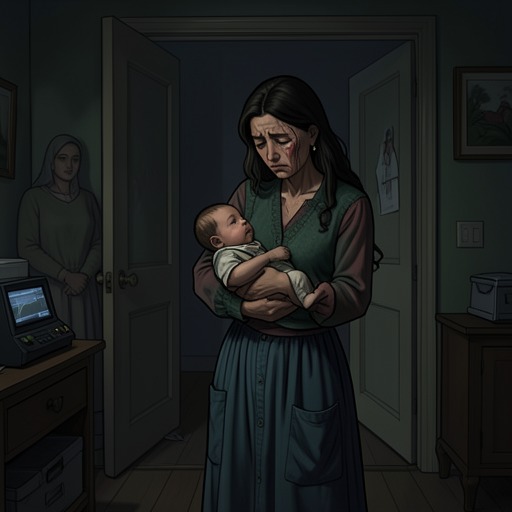
Jiwon was born at four in the morning. Her arrival moved Jiyoung deeply, but infancy also brought an intensive routine of feeding and care: Jiwon cried until she was picked up, and Jiyoung often had to manage household tasks while holding her. Feeding every two hours disrupted Jiyoung’s sleep, and the demands of caring for the baby coincided with cleaning, washing clothes and preparing food. These details place Jiwon not simply as the recipient of family affection, but at the center of a demanding pattern of daily care.
Relationships and Family Life
During a Chuseok visit to Daehyun’s family in Busan, Jiwon was comfortable with her grandparents, who showered her with affection. Her paternal aunt brought a large bag of presents, including dresses, a tutu, hair slides and lace socks, and delighted in dressing and admiring her. The scene shows the pleasure Jiwon brings her relatives, in contrast with the domestic work Jiyoung performs during the same holiday visit, including preparing food and clearing meals.
Daycare and Daily Routine
A little after turning one, Jiwon began attending a half-day daycare in a converted ground-floor apartment in the family’s complex. She adjusted to the new setting surprisingly well. Her morning included a snack, playtime and lunch; she returned home before one o’clock, then was washed and put down for a nap. Her teacher described her as good-natured and getting along well enough to try napping at daycare and staying later. Jiyoung initially chose to collect her just after lunch, though the possibility of extending the day gave her room to consider taking up something new.
Care and Narrative Significance
Daycare gave Jiyoung roughly three hours away from direct childcare, but most of that time went to laundry, dishes, tidying and preparing food for Jiwon. The account also gives a broader measure of mothers’ limited free time: a stay-at-home mother with a child under two was estimated to have four hours and ten minutes a day to herself, compared with four hours and twenty-five minutes for a mother whose child attended daycare. The small difference underscores that daycare changes where housework happens more than it removes the work. Through Jiwon’s ordinary needs and successful adjustment to care outside the home, the narrative traces both the tenderness of family life and the unequal labor that sustains it.