Oh Misook’s sex-selective abortion
Kim Ji-young, Born 1982Oh Misook’s sex-selective abortion is a formative family event that exposes the personal cost of son preference. Pregnant less than a year after Kim Jiyoung was born, Oh Misook discovered that her third child was another girl. She went to a clinic alone to end the pregnancy, carrying the decision and its aftermath largely without support from her family.
Background and Pressure
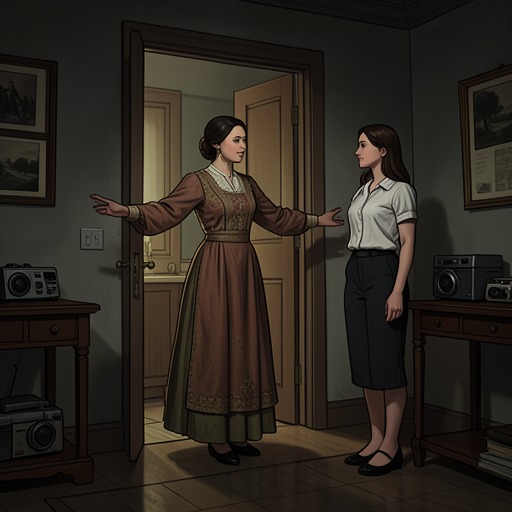
The pregnancy unfolded in a household already hoping for a son. Before the fetus’s sex was known, Oh Misook dreamed of a tiger entering the house and took the dream as a sign that she was carrying a boy. When the elderly doctor who had delivered her two daughters cautiously indicated that the baby was female, Oh Misook feared what another daughter would mean. She asked her husband how he would respond if the baby were a girl; he did not offer the reassurance she hoped for, instead telling her not to dwell on the possibility.
The family’s expectations reflected a wider setting in which government birth-control policies operated alongside common sex-selective abortions. Although abortion for medical reasons had been legal for ten years, the narrative describes checking fetal sex and ending pregnancies because the fetus was female as a familiar practice. In the early 1990s, the male-to-female ratio for third children and later births exceeded two to one. The pressure was therefore not confined to one household, but Oh Misook bore its consequences personally.
The Decision and Its Aftermath
Oh Misook went to the clinic by herself. The narrative makes clear that responsibility and grief fell on her without relatives present to comfort her. The doctor held her hand and expressed sorrow for her loss; the doctor’s care helped Oh Misook endure the experience. The account locates her distress not in any wrongdoing on her part, but in the isolation surrounding a decision shaped by the family’s and society’s preference for a boy.
It was years before Oh Misook became pregnant again. That pregnancy resulted in the birth of the son who was five years younger than Kim Jiyoung. The sequence links the abortion to the family’s eventual arrival of a boy without suggesting that the later birth erased the earlier loss.
Significance in the Family History
The episode establishes the unequal value assigned to daughters before Kim Jiyoung is old enough to understand the family’s expectations. It also shows how son preference could turn reproductive decisions into a burden borne chiefly by women: Oh Misook faced the pregnancy, made the clinic visit alone, and had little family comfort afterward. The doctor’s compassion offered a rare source of support, while the later birth of a son reveals the expectation that had shaped the family’s hopes from the beginning.