
The Films as Shelter and Language
Kiss of the Spider WomanThe prisoners’ film stories provide escape, but also become an indirect language for desire, grief, and questions neither man can initially ask outright.
increasing Bearing strength in each event
 decreasing
Bearing strength in each eventdecreasingThe First Escape
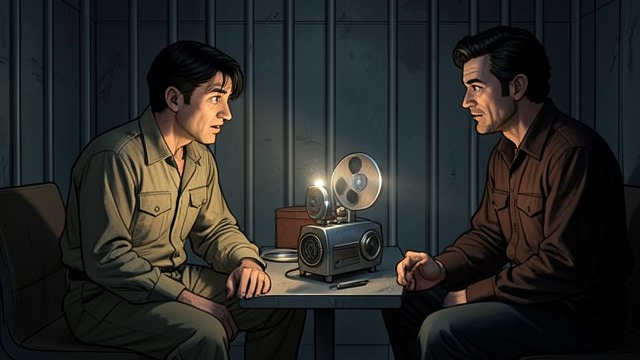
The First Escape
A story in place of scenery
Molina rebuilds films in speech, giving the cell images of zoos, theaters, and distant cities.
Temporary relief
The stories make confinement bearable without removing the reality of imprisonment.
Debate Inside the Story
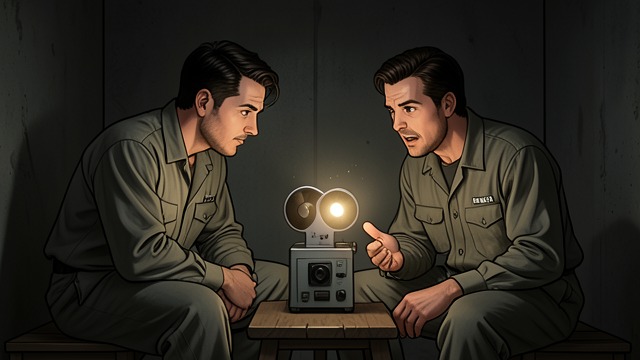
Debate Inside the Story
Two readings
Molina values romantic feeling while Valentin probes the roles and assumptions behind it.
Conversation begins
Their disagreement creates a safer route into personal questions than direct confession.
A Film Becomes a Confession
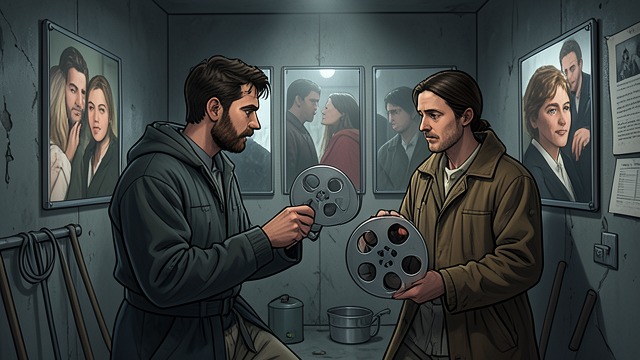
A Film Becomes a Confession
Characters as mirrors
The stories lead the prisoners toward memories of lovers, mothers, and political comrades.
Indirect speech
Fiction lets them approach painful truths while keeping some distance from their own lives.
The Story Interrupted
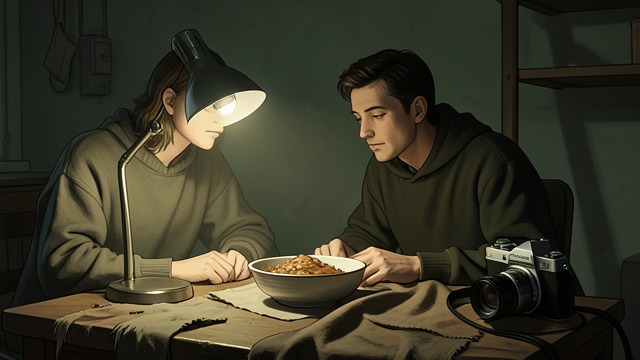
The Story Interrupted
The body intrudes
Pain, care, meals, and exhaustion interrupt the films’ imagined worlds.
Escape becomes contact
Narration now matters less as distraction than as a shared activity between two people.
The Final Dream Film
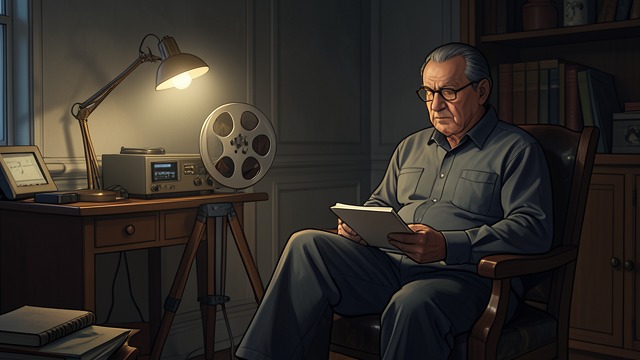
The Final Dream Film
Stories absorbed
Images from earlier films combine with remembered people, food, and prison experience.
A lasting inner companion
Valentin imagines a world where thought preserves connection even when the body is alone.
during the opening nights in the cell
during the first film’s interpretation
after Valentin begins discussing his private life
during the sickness and recovery sequence
in Valentin’s closing dream
